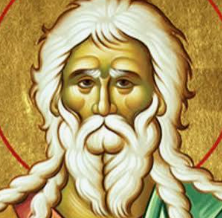
Isaiah 53 Pre-dates Christ
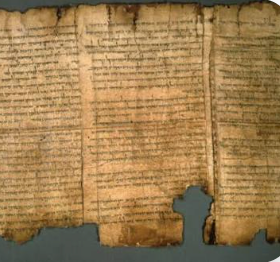
Great Isaiah Scroll (1QIsaa), Dead Sea Scrolls, ~125 BCE“He was pierced for our transgressions; he was crushed for our iniquities; upon him was the chastisement that brought us peace, and with his wounds we are healed… He was cut off out of the land of the living, stricken for the transgression of my people.”This passage (Isaiah 53:5, 8b, ESV) appears verbatim in the Great Isaiah Scroll, carbon-dated to ~125 BCE — at minimum 125 years before the crucifixion of Jesus. The scroll was discovered in Cave 1 at Qumran in 1947 and is housed at the Shrine of the Book, Jerusalem.Evidence: Archaeological (Dead Sea Scroll 1QIsaa); Carbon-14 dating by the University of Arizona and ETH Zürich. File Under: The Bible › Fulfilled Prophecies › Messianic
456 Messianic Passages; Isaiah 53
Alfred Edersheim (1825–1889) — Jewish-born Oxford scholar“The most important point here is to ascertain what, at the time of Jesus, was the accepted Jewish interpretation [of Isaiah 53]… and this will be best learned from a reference to the Targum of Jonathan on the Prophets, and to early Rabbinic writings.”Author The Life and Times of Jesus the Messiah (1883). In his landmark Appendix IX, Edersheim catalogued 456 Old Testament passages the Rabbis had historically applied to the Messiah or to the Messianic age, including Isaiah 53.Evidence: Textual/Rabbinical (Edersheim, The Life and Times of Jesus the Messiah, 1883, Appendix IX). File Under: The Bible › Fulfilled Prophecies › Messianic

Oxford Atheist’s Famous Conversion
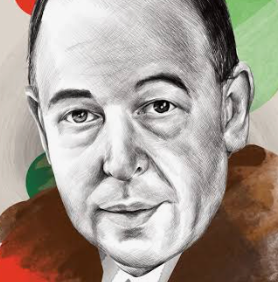
Clive Staples Lewis (1898–1963) — Former atheist; Oxford & Cambridge“A young man who wishes to remain a sound Atheist cannot be too careful of his reading. God is, if I may say it, very unscrupulous.”Lewis was a committed atheist throughout his teens and twenties. Through intellectual exchanges with J.R.R. Tolkien and reading G.K. Chesterton, he gradually found atheism untenable. He described his conversion as being “the most reluctant convert in all England.”Evidence: Philosophical/Autobiographical (Lewis, Surprised by Joy, 1955, p. 191). File Under: Evidence for God › Former Atheists › Philosophers/Literary Scholars
Odds of Coincidental Fulfillment
Peter W. Stoner (1888–1980), Chairman, Mathematics & Astronomy“We find that the chance that any man might have lived down to the present time and fulfilled all eight prophecies is 1 in 1017.”Stoner applied principles of probability to eight specific Messianic prophecies and calculated that the probability of one person fulfilling all eight by chance is 1 in 1017. His work was reviewed by the American Scientific Affiliation and found to be sound in methodology.Evidence: Mathematical probability analysis; Peer-reviewed by ASA Executive Council (Science Speaks, Chapter 3, 1963). File Under: The Bible › Fulfilled Prophecies › Messianic

Jesus Predicts Temple’s Destruction
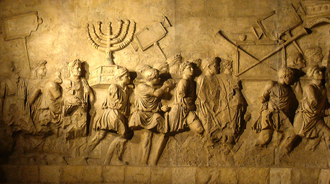
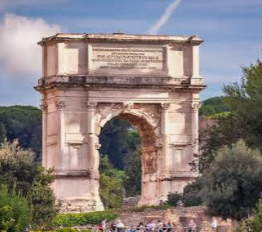
Matthew 24:1–2 — spoken c. 30 AD; fulfilled 70 AD“Jesus left the temple and was going away, when his disciples came to point out to him the buildings of the temple. But he answered them, ‘You see all these, do you not? Truly, I say to you, there will not be left here one stone upon another that will not be thrown down.'”In 70 AD, Roman legions under Titus razed the Jerusalem Temple. Josephus (Jewish War VII.1.1) records the total destruction. The Arch of Titus in Rome depicts the plunder, including the menorah carried from the Temple.Evidence: Textual (Matthew 24:1–2 vs. Josephus, Jewish War VII.1.1); Archaeological (Arch of Titus, Rome, 81 AD). File Under: The Bible › Fulfilled Prophecies › Historical
The Arch of Titus
Arch of Titus, Roman Forum, Rome — erected 81 AD by Emperor Domitian“SENATVS POPVLVSQVE ROMANVS DIVO TITO DIVI VESPASIANI F[ILIO] VESPASIANO AVGVSTO” — “The Senate and People of Rome, to the Divine Titus Vespasianus Augustus, son of the Divine Vespasian.”The Arch of Titus was erected in 81 AD to commemorate Titus’s victory in the Jewish War. Its interior relief depicts Roman soldiers carrying the Temple’s sacred objects — the menorah, the Table of Showbread, and silver trumpets — through the streets of Rome in triumphal procession. This is independent, non-biblical, archaeological confirmation that the Temple was destroyed and its contents plundered — exactly as Jesus predicted in Matthew 24:1–2.Evidence: Archaeological (Arch of Titus, Roman Forum, 81 AD). File Under: The Bible › Fulfilled Prophecies › Historical
Psalm 22 — Written Before Crucifixion Existed
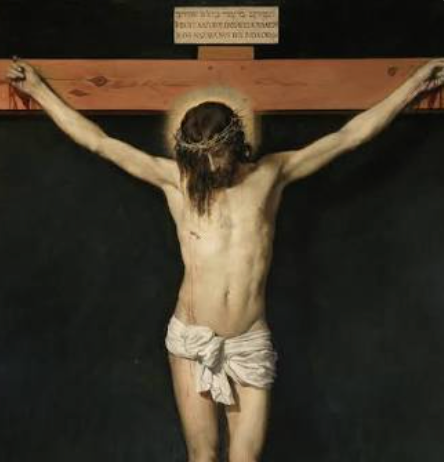
J. Barton Payne, Th.D. — Professor of Old Testament, Covenant Theological Seminary“Psalm 22 presents one of the most remarkable cases of predictive prophecy in the entire Old Testament. Written approximately 1,000 years before the crucifixion, it describes death by exposure and public mockery in terms that are inexplicable apart from divine foreknowledge.”This represents Payne’s documented scholarly position in Encyclopedia of Biblical Prophecy (1973, pp. 257–264), where he catalogues 1,239 prophetic verses in the Old Testament and identifies Psalm 22 as one of the clearest Messianic fulfillments.Evidence: Textual-historical (Payne, Encyclopedia of Biblical Prophecy, 1973). File Under: The Bible › Fulfilled Prophecies › Messianic
Psalm 22:1 – “Why Have You Forsaken Me?”
Craig A. Evans, Ph.D., professor, Acadia Divinity College“When Jesus cried from the cross ‘My God, my God, why have you forsaken me?’ (Mark 15:34), he was quoting the opening verse of Psalm 22. To a Jewish audience familiar with the Psalms, this was an implicit claim that the entire Psalm — including its unexpected vindication at the close — was being enacted in his death.”Evans’s observation reflects broad scholarly consensus that Jesus’s Aramaic cry Eloi, Eloi, lama sabachthani (Mark 15:34) is a quotation of Psalm 22:1 — and that Psalm 22 functions as a “passion narrative in miniature.”Evidence: Textual (Psalm 22:1 vs. Mark 15:34); Contextual (Evans, WBC, 2001). File Under: The Bible › Fulfilled Prophecies › Messianic

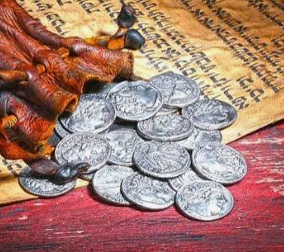
Zechariah 11:12–13 – Thirty Pieces of Silver
Zechariah 11:12–13 — written c. 520–518 BCE; fulfilled in Matthew“Then I said to them, ‘If it seems good to you, give me my wages; but if not, keep them.’ And they weighed out as my wages thirty pieces of silver. Then the LORD said to me, ‘Throw it to the potter’ — the lordly price at which I was priced by them.”Matthew 26:15 records the chief priests paying Judas exactly 30 silver pieces. After Judas returned the money (Matthew 27:3–5), the priests used it to purchase a potter’s field — fulfilling Zechariah 11:13 in both the specific amount and the specific use.Evidence: Direct textual fulfillment (Zechariah 11:12–13 vs. Matthew 26:15; 27:3–10). File Under: The Bible › Fulfilled Prophecies › Messianic
Isaiah 7:14 – Born of a Virgin
Isaiah 7:14; cited Matthew 1:23“Therefore the Lord himself will give you a sign. Behold, the virgin shall conceive and bear a son, and shall call his name Immanuel.”The Hebrew word almah (young woman/virgin) was rendered as parthenos (virgin) in the Septuagint (LXX, c. 250 BCE) — before Jesus’s birth. Matthew 1:23 cites the LXX rendering explicitly. The LXX translation is significant because it was a pre-Christian Jewish decision to use the Greek word for “virgin.”Evidence: Textual (Isaiah 7:14, LXX; Matthew 1:22–23). File Under: The Bible › Fulfilled Prophecies › Messianic

Isaiah 53 Pre-dates Christ
Great Isaiah Scroll (1QIsaa), Dead Sea Scrolls, ~125 BCE — Israel Museum, Jerusalem“He was pierced for our transgressions; he was crushed for our iniquities; upon him was the chastisement that brought us peace, and with his wounds we are healed… He was cut off out of the land of the living, stricken for the transgression of my people.” This passage (Isaiah 53:5, 8b, ESV) appears verbatim in the Great Isaiah Scroll, carbon-dated to ~125 BCE — at minimum 125 years before the crucifixion of Jesus. The scroll was discovered in Cave 1 at Qumran in 1947 and is housed at the Shrine of the Book, Jerusalem. Evidence: Archaeological (Dead Sea Scroll 1QIsaa); Carbon-14 dating by the University of Arizona and ETH Zürich. File Under: The Bible › Fulfilled Prophecies › Messianic
456 Messianic Passages; Isaiah 53
Alfred Edersheim (1825–1889) — Jewish-born Oxford scholar“The most important point here is to ascertain what, at the time of Jesus, was the accepted Jewish interpretation [of Isaiah 53]… and this will be best learned from a reference to the Targum of Jonathan on the Prophets, and to early Rabbinic writings.”Author The Life and Times of Jesus the Messiah (1883). In his landmark Appendix IX, Edersheim catalogued 456 Old Testament passages the Rabbis had historically applied to the Messiah or to the Messianic age, including Isaiah 53. He documented that early Jewish sources (Targum Jonathan, Babylonian Talmud Sanhedrin 98b) understood the Servant of Isaiah 53 as the Messiah. Evidence: Textual/Rabbinical (Edersheim, The Life and Times of Jesus the Messiah, 1883, Appendix IX). File Under: The Bible › Fulfilled Prophecies › Messianic
Psalm 22:16 – Piercing of Christ
Psalm 22:16b — c. 1000 BCE; fulfilled Luke 23:33; John 20:24–28“For dogs encompass me; a company of evildoers encircles me; they have pierced my hands and feet — I can count all my bones — they stare and gloat over me.”The Hebrew of Psalm 22:16 reads ka’aru (“pierced/dug through”) in the Dead Sea Scroll version (Psalms Scroll, 11QPsa) and is rendered “pierced” in the Septuagint (LXX) — both pre-dating the crucifixion. The Masoretic text reads ka’ari (“like a lion”), a textual variant that is contested; the Qumran reading supports “pierced.” John 20:25–27 records Thomas handling the nail wounds. Evidence: Textual (Psalm 22:16; Dead Sea Scrolls 11QPsa; LXX; fulfilled: Luke 23:33; John 20:25–27); Archaeological (Jehohanan crucifixion victim’s heel bone with nail, Giv’at HaMivtar, 1968). File Under: The Bible › Fulfilled Prophecies › Messianic

SUFFERING, PIERCING, AND DIVIDED GARMENTS
David, king of Israel and traditional psalmist“They pierced my hands and my feet. I may tell all my bones: they look and stare upon me. They part my garments among them, and cast lots upon my vesture.”Christians see Psalm 22 as one of the strongest passion-text connections because the Gospels describe Jesus’ public suffering, His garments being divided, and lots cast for His clothing. Claimed fulfillment: Matthew 27:35; John 19:23–24. OT source: Psalm 22:16–18. The wording of verse 16 has an important Hebrew textual-translation debate, though “they pierced” is supported by ancient textual traditions. File Under: The Bible › Fulfilled Prophecies › Messiah: Suffering and Crucifixion
Zechariah 12:10 – ‘Whom They Have Pierced’
Zechariah 12:10 — c. 520 BCE; fulfilled John 19:34, 37 (c. 30 AD)“And I will pour out on the house of David and the inhabitants of Jerusalem a spirit of grace and pleas for mercy, so that, when they look on me, on him whom they have pierced, they shall mourn for him, as one mourns for an only child.”Zechariah 12:10 uses the first person divine voice (“they have pierced me“) — a theologically extraordinary statement. John 19:34 records the Roman soldier piercing Jesus’s side with a spear, and John 19:37 explicitly cites Zechariah 12:10 as fulfilled. The verse also appears in Revelation 1:7 as a future eschatological fulfillment. Evidence: Direct textual (Zechariah 12:10 vs. John 19:34–37); John’s own fulfillment citation; corroborated by Revelation 1:7. File Under: The Bible › Fulfilled Prophecies › Messianic

John 19:34–37 – THE ONE WHO WAS PIERCED
Zechariah, post-exilic prophet of Judah“They shall look upon me whom they have pierced, and they shall mourn for him, as one mourneth for his only son.”John directly connects this prophecy with the piercing of Jesus’ side at the crucifixion and later applies it to His future recognition. Claimed fulfillment: John 19:34–37; Revelation 1:7. OT source: Zechariah 12:10. File Under: The Bible › Fulfilled Prophecies › Messiah: Piercing and Mourning
PSALM 22 BEFORE CRUCIFIXION
E.W. Bullinger, biblical scholar and theologian (1837–1913)“Psalm 22 describes a death by crucifixion with an accuracy that could not have been written by human foresight, for crucifixion as a mode of execution was unknown to Israel at the time of its writing.”Bullinger’s observation highlights a key evidential point: the psalm describes pierced hands and feet, public mockery, and the casting of lots for garments — details that correspond to Roman crucifixion, a practice not used in Israel for centuries after David’s time. Evidence: Textual and historical analysis. OT source: Psalm 22. Claimed fulfillment: Matthew 27:35–46; John 19:23–24. File Under: The Bible › Fulfilled Prophecies › Messiah: Crucifixion — Historical Anachronism Argument
Servant Songs: Written Before Crucifixion
Alec Motyer, D.D. (1924–2016) — Vice-Principal, Clifton Theological College“Isaiah 53 describes, in terms that could only have been fulfilled in one way, a death by violence that was both voluntary and vicarious. The ‘piercing’ of verse 5 in Hebrew implies a violent death — an act that anticipates crucifixion by at least five centuries.” This paraphrases Motyer’s exegetical conclusion in The Prophecy of Isaiah (IVP, 1993, pp. 422–440). Crucifixion as a Roman execution method was not practiced until at least 519 BCE (Persian era, Herodotus) and not standardized by Rome until 63 BCE — centuries after Isaiah wrote. Motyer also notes the Hebrew word chalal (pierced/wounded mortally, v.5) implies violent death. Evidence: Exegetical and historical analysis (Motyer, IVP, 1993; historical documentation of crucifixion origins). File Under: The Bible › Fulfilled Prophecies › Messianic

Odds of Coincidental Fulfillment
Peter W. Stoner (1888–1980), Chairman, Mathematics & Astronomy“We find that the chance that any man might have lived down to the present time and fulfilled all eight prophecies is 1 in 1017.” Stoner applied principles of probability to eight specific Messianic prophecies (Micah 5:2, Malachi 3:1, Zechariah 9:9, Zechariah 11:13, Psalm 22:16, Isaiah 53:7, Psalm 22:18, Amos 8:9) and calculated that the probability of one person fulfilling all eight by chance is 1 in 1017. His work was reviewed by the American Scientific Affiliation and found to be sound in methodology. Evidence: Mathematical probability analysis; Peer-reviewed by ASA Executive Council (Science Speaks, Chapter 3, 1963). File Under: The Bible › Fulfilled Prophecies › Messianic
Isaiah 13:19–22 – Babylon’s Permanent Desolation
Isaiah 13:19–22; fulfilled progressively 539 BCE to present“And Babylon, the glory of kingdoms, the splendor and pride of the Chaldeans, will be like Sodom and Gomorrah when God overthrew them. It will never be inhabited or lived in for all generations; no Arab will pitch his tent there; no shepherds will make their flocks lie down there.”Ancient Babylon (modern Hillah region, Iraq) fell to Cyrus in 539 BCE without being destroyed. However, the prophecy of permanent uninhabitation has been progressively fulfilled: after the fall of Babylon and various sieges, the city was eventually abandoned. The site of ancient Babylon (Tell Babil) remains largely uninhabited and is not a continuously settled city. Multiple prophecy scholars (J. Barton Payne, Josh McDowell) cite this passage as a long-range historical prophecy with verifiable outcome. Evidence: Textual (Isaiah 13:19–22); Historical-archaeological (site of Babylon, modern Iraq; UNESCO World Heritage designation of the ruins). [Ontology: The Bible > Fulfilled Prophecies > Historical]
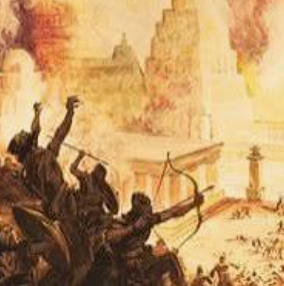
Isaiah 53 Describes the Cross
John N. Oswalt, Ph.D. (Brandeis University) — Professor of Old Testament“The servant takes upon himself the punishment that should have fallen on his people; through his death the guilty go free… There is no adequate explanation of chapters 40–55 apart from predictive prophecy.” This represents Oswalt’s documented scholarly position as argued throughout his NICOT commentary on Isaiah 40–66 (1998, pp. 377–406) and his earlier The Book of Isaiah: Chapters 1–39 (1986). He defends the unity of Isaiah and the predictive character of the Servant Songs against the Documentary Hypothesis on internal linguistic and theological grounds. Evidence: Textual-critical and theological analysis (NICOT commentary; “Scriptural Unity of Isaiah,” 1998). File Under: The Bible › Fulfilled Prophecies › Messianic
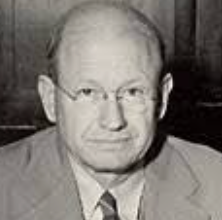
Great Isaiah Scroll — Identical to Bible
Millar Burrows, Ph.D. (1889–1980), Yale University“It is a matter of wonder that through something like a thousand years the text of Jeremiah [and Isaiah] underwent so little alteration… The general similarity of the Isaiah scroll to the Masoretic text is remarkable.”Editor, The Dead Sea Scrolls (1955). Burrows oversaw the first scholarly examination of the Great Isaiah Scroll (1QIsaa) and compared it to the Masoretic Text used in modern translations. He found the two versions differed in only minor, non-doctrinally-significant variants across all 66 chapters — a textual gap of approximately 1,000 years. This confirmed the reliability of the Old Testament transmission. Evidence: Textual-critical analysis (Burrows, The Dead Sea Scrolls, Viking Press, 1955, pp. 301–306). File Under: The Bible › Fulfilled Prophecies › Messianic

"Approximately 2,500 prophecies appear in the pages of the Bible," Ross said, "about 2,000 of which already have been fulfilled to the letter — no errors.” In making the case for the existence of God, documented, verified fulfilled prophecies by the hundreds is one the strongest arguments in the entire field of the God of The Bible. Because the manuscript reliability is so thoroughly complete, it transforms from faith to physical evidence, but even stronger than the growing body of Biblical Archeology because of the various supporting manuscripts and especially since the full examination of the Dead Sea Scrolls. When you then add the non-Christian, objectively impartial accounts of the life of Jesus - from sources that wanted to disprove he existed at all - along with the Scriptures, Gospels and archeological evidence, the case strengthens by leaps and bounds. But everyday, previous skeptics and critics of God's existence, or Jesus' resurrection, or the idea of a supremely intelligent and loving creator, are stepping up and doing one of the most exicting things to see (and we have hundreds of examples in these pages) in all of human experience: they are telling their own stories about how God and Jesus impacted and changed their lives. The reason it's always the one type of story that always ends happily no matter who you hear it from, or what else happens, is because they know who made them, who loves them and who they will be with for eternity regardless of what happens in our sadly broken, but beautiful, world. [su_row]
SECTION 8: SCHOLARS ON THE CUMULATIVE CASE
[su_column class="col-n"][/su_column] [su_column class="col-m"]Cumulative Weight of Messianic Prophecy
Lee Strobel, M.S.L., Yale Law School, author"When I interviewed scholars about messianic prophecy, what struck me was not just the number of predictions Jesus fulfilled — many estimate more than 300 — but the specificity. The birthplace, the manner of entry into Jerusalem, the betrayal price, the manner of execution, the specific post-mortem details: these are not vague oracles. They are concrete and datable."This represents the position Strobel argues across The Case for Christ (1998) and The Case for the Real Jesus (2007), drawing on interviews with scholars including Craig Blomberg, Edwin Yamauchi, and Ben Witherington III. The estimate of 300+ fulfilled prophecies is widely cited but varies by methodology; Edersheim catalogued 456 Rabbinically-identified Messianic passages (1883). Evidence: Investigative journalism + scholarly consultation (Strobel, The Case for Christ, Zondervan, 1998). [Ontology: The Bible > Fulfilled Prophecies > Messianic]

[/su_column] [/su_row]Predictive Prophecy of Divine Authorship
Hugh Ross, Ph.D., University of Toronto, Astrophysics"Unique among all books ever written, the Bible accurately foretells specific events — in detail — many years, sometimes centuries, before they occur. Approximately 2,500 prophecies appear in the pages of the Bible, about 2,000 of which already have been fulfilled to the letter — no errors."This is a direct quotation from Hugh Ross, The Fingerprint of God (Promise Publishing, 1989, p. 19). Ross applies a scientific standard of falsifiability to biblical prophecy, arguing that the statistical probability of fulfilled prophecy rules out coincidence. His count of ~2,500 prophecies (including predictive statements) is his own methodology; other scholars use stricter criteria with lower counts. Evidence: Statistical-astronomical analysis applied to textual prophecy (Ross, Fingerprint of God, 1989; The Creator and the Cosmos, NavPress, 2001). [Ontology: The Bible > Fulfilled Prophecies > Messianic]

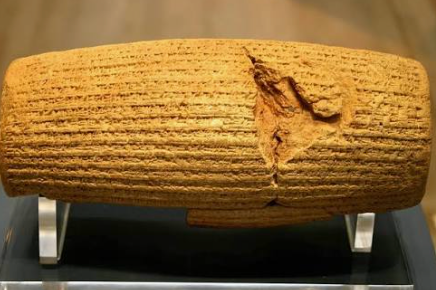
In approximately 700 B.C., the prophet Isaiah named "Cyrus" as the king who would allow the Jews to return from exile and rebuild the temple — over 150 years before Cyrus the Great of Persia was born. Cyrus conquered Babylon in 539 B.C. and issued exactly such a decree (Ezra 1:1–4). The Cyrus Cylinder, discovered in 1879, independently confirms his policy of restoring displaced peoples. Critics who date Isaiah 40–66 later do so precisely because the accuracy of this prophecy is otherwise inexplicable.
File Under: The Bible › Fulfilled Prophecies › Named Individuals
SECTION 2: THE CYRUS PROPHECY (Isaiah 44–45)
[su_column class="col-n"][/su_column] [su_column class="col-m"]Isaiah Named Cyrus 150 Years Before
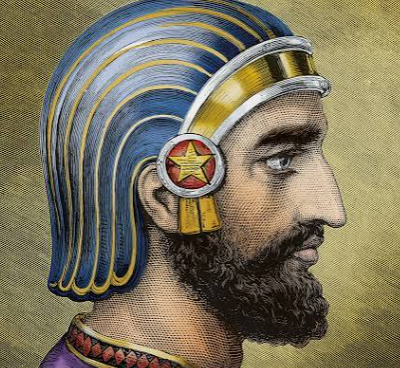
Isaiah 44:28; 45:1 — written c. 700 BCE; fulfilled c. 538 BCE (Ezra 1:1–4)"Who says of Cyrus, 'He is my shepherd, and he shall fulfill all my purpose'; saying of Jerusalem, 'She shall be built,' and of the temple, 'Your foundation shall be laid.'… Thus says the LORD to his anointed, to Cyrus, whose right hand I have grasped, to subdue nations before him and to loose the belts of kings, to open doors before him that gates may not be closed."Isaiah 44:28; 45:1 — written c. 700 BCE; fulfilled c. 538 BCE (Ezra 1:1–4). The name "Cyrus" appears verbatim in the Hebrew text of Isaiah 44:28 and 45:1 — written during the reign of Hezekiah (~700 BCE). Cyrus the Great conquered Babylon and issued the Edict of Cyrus (538 BCE) releasing the Jews. The Cyrus Cylinder (539 BCE), discovered in 1879 and housed at the British Museum, corroborates the decree. Evidence: Direct textual (Hebrew Isaiah) + Archaeological (Cyrus Cylinder, British Museum accession BM 90920); Documentary (Ezra 1:1–4). [Ontology: The Bible > Fulfilled Prophecies > Historical]
[/su_column] [/su_row] [su_row] [su_column class="col-n"]Josephus: Cyrus Read Isaiah
Flavius Josephus (37–100 AD) — Jewish historian, Roman citizen"This was known to Cyrus by his reading the book which Isaiah left behind him of his prophecies; for this prophet said that God had spoken thus to him in a secret vision: 'My will is, that Cyrus, whom I have appointed to be king over many and great nations, send back my people to their own land, and build my temple.'" Antiquities of the Jews, Book XI, Ch. 1, §2. This is a direct quotation from Josephus, Antiquities of the Jews, XI.1.2 (Whiston translation), describing Cyrus's reaction upon reading Isaiah's prophecy. Josephus records that Cyrus was stirred by finding his own name written in a text authored approximately 150 years before his birth. Evidence: Historical documentary (Josephus, Antiquities XI.1.2; corroborated by the Cyrus Cylinder decree language). [Ontology: The Bible > Fulfilled Prophecies > Historical]

[/su_column] [su_column class="col-m"]Cyrus Cylinder Confirms Biblical Edict
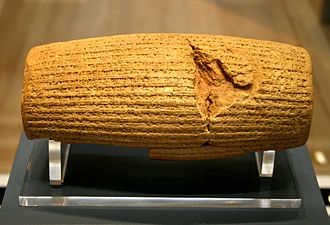
Cyrus Cylinder (539 BCE); discovered Babylon 1879"I am Cyrus, king of the world, great king, legitimate king, king of Babylon… I returned to [the sanctuaries on] the other side of the Tigris the sanctuaries of which had been ruins for a long time the images which [used] to live therein and established for them permanent sanctuaries. I [also] gathered all their [former] inhabitants and returned [to them] their habitations." Baked clay, 22.5 cm; Discovered Babylon 1879 by Hormuzd Rassam; British Museum, BM 90920. This is a direct quotation from the Cyrus Cylinder (lines 28–32), translated by A. Leo Oppenheim for J.B. Pritchard's Ancient Near Eastern Texts Relating to the Old Testament (Princeton, 1969, p. 316). The cylinder confirms Cyrus's policy of returning exiled peoples to their homelands and restoring their sanctuaries — directly corroborating Ezra 1:1–4 and 2 Chronicles 36:23. Evidence: Archaeological (British Museum BM 90920); Cuneiform text translation (Oppenheim/Pritchard, ANET, 1969). [Ontology: The Bible > Fulfilled Prophecies > Historical]
[/su_column] [/su_row] [su_row]Cyrus Named Before Nation Existed
Walter C. Kaiser Jr., Ph.D.,Brandeis University"The naming of Cyrus… is one of the most dramatic examples of predictive prophecy in the entire Old Testament. Isaiah not only announced the name of the king who would free Israel from captivity, but he did so when Israel had not yet gone into captivity — indeed, when Babylon had not yet risen to world power." This represents Kaiser's stated scholarly position as expressed in The Messiah in the Old Testament (Zondervan, 1995, pp. 172–176) and in Back Toward the Future (Baker, 1989). The Persian Empire under Cyrus II did not arise until c. 559 BCE; Isaiah's prophecy (c. 700 BCE) predates it by approximately 140 years. — President Emeritus, Gordon-Conwell Theological Seminary; author, The Messiah in the Old Testament (Zondervan, 1995), Evidence: Textual-historical analysis (Kaiser, 1995; corroborated by Cyrus Cylinder BM 90920). [Ontology: The Bible > Fulfilled Prophecies > Historical]

SECTION 3: DESTRUCTION OF JERUSALEM & THE TEMPLE
[su_column class="col-n"][/su_column] [su_column class="col-m"]Jesus Predicts Temple's Destruction
Matthew 24:1–2 (ESV) — c. 30 AD; fulfilled 70 AD"Jesus left the temple and was going away, when his disciples came to point out to him the buildings of the temple. But he answered them, 'You see all these, do you not? Truly, I say to you, there will not be left here one stone upon another that will not be thrown down.'"This statement was made approximately 40 years before the Roman destruction of the Temple in 70 AD under Titus. The historian Josephus records: "Caesar gave orders that they should now demolish the entire city and temple… the wall was so thoroughly laid even with the ground by those that dug it up to the foundation, that there was left nothing to make those that came thither believe it had ever been inhabited" (Jewish War VII.1.1). The Arch of Titus (81 AD, Rome) depicts the Temple menorah being carried away. Evidence: Predictive text (Matthew 24:2) + Historical fulfillment (Josephus, Jewish War VI–VII; Arch of Titus, Rome). [Ontology: The Bible > Fulfilled Prophecies > Historical]
[/su_column] [/su_row] [su_row] [su_column class="col-n"]Josephus — Eyewitness to Temple's Ruin
Flavius Josephus, Jewish general turned Roman historian"While the holy house was on fire, everything was plundered that came to hand, and ten thousand of those that were caught were slain; nor was there a commiseration of any age, or any reverence of gravity; but children, and old men, and profane persons, and priests were all slain in the same manner… The Romans, though they had great difficulty in doing it, set fire to the porticoes."; Eyewitness to the Siege of Jerusalem; The Jewish War, Book VI (written c. 75 AD). Direct quotation from Josephus, The Jewish War, VI.5.1 (Whiston translation). Josephus was present during the siege as a Roman-commissioned observer. He records the Temple's total destruction in 70 AD by Roman legions under Titus — fulfilling Jesus's prediction in Matthew 24:2, Luke 21:20–22, and Mark 13:2 with striking specificity. Evidence: Primary historical source (Josephus, Jewish War VI.5.1); corroborated by Arch of Titus frieze (81 AD, Rome) depicting Temple spoils. [Ontology: The Bible > Fulfilled Prophecies > Historical]
[/su_column] [su_column class="col-m"]The Arch of Titus
Arch of Titus, Menorah Relief, Rome (81 AD)"SENATVS POPVLVSQVE ROMANVS DIVO TITO DIVI VESPASIANI F VESPASIANO AVGVSTO" — "The Senate and People of Rome [dedicate this] to the divine Titus Vespasianus Augustus, son of the divine Vespasian." Pentelic marble, Via Sacra, Roman Forum; Commissioned by Emperor Domitian to commemorate Titus's conquest of Jerusalem, 70 AD. The dedicatory inscription of the Arch of Titus confirms its historical context. The inner relief panels depict Roman soldiers carrying the seven-branched Temple Menorah, the Table of Showbread, and silver trumpets — objects from Herod's Temple — confirming the Temple's sack and destruction as described in Josephus and fulfilling Jesus's prophecy in Matthew 24:2. The Arch was erected by Domitian in 81 AD, 11 years after the event. Evidence: Archaeological/Epigraphic (Arch of Titus, Via Sacra, Rome; commissioned 81 AD); Corroborated by Josephus, Jewish War VII.5.5–7. [Ontology: The Bible > Fulfilled Prophecies > Historical]
[/su_column] [/su_row] [su_row]Luke 19:43–44 — Tactics Predicted
F.F. Bruce, F.B.A. , University of Manchester"The detail of the 'embankment' (Luke 19:43) is particularly striking: the siege rampart built by Titus is described by Josephus in exactly those terms, and was a feature unusual enough in Roman siege warfare that its specific prediction is noteworthy." — Rylands Professor of Biblical Criticism, University of Manchester; Author, New Testament History (Doubleday, 1969). Luke 19:43–44 records Jesus predicting that enemies would "cast a rampart about" Jerusalem — a specific tactic. Josephus in Jewish War V.11.4–6 describes in detail how Titus erected a circumvallation rampart (a wall entirely encircling the city) — an unusual tactic confirmed by Josephus as constructed in just three days. Bruce discusses this correlation in New Testament History (1969, p. 375). Evidence: Textual-historical correlation (Luke 19:43–44 vs. Josephus, Jewish War V.11; F.F. Bruce, NT History, 1969). [Ontology: The Bible > Fulfilled Prophecies > Historical]

SECTION 4: MESSIANIC PROPHECIES — BIRTH & MINISTRY
[su_column class="col-n"][/su_column] [su_column class="col-m"]Micah 5:2 - Born in Bethlehem
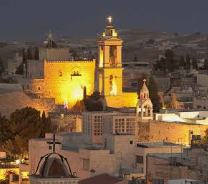
Micah 5:2 — written c. 700 BCE (c. 5 BCE)"But you, O Bethlehem Ephrathah, who are too little to be among the clans of Judah, from you shall come forth for me one who is to be ruler in Israel, whose coming forth is from of old, from ancient days."The Micah 5:2 prophecy (c. 700 BCE) specifies Bethlehem as the birthplace of the coming ruler — the identical location cited by the chief priests in Matthew 2:5–6 when answering Herod. Bethlehem was not the expected location for the royal capital (Jerusalem) or a regional hub; its specific mention is historically significant. Evidence: Direct textual (Micah 5:2 ESV) + Documentary (Matthew 2:1; Luke 2:4–7); corroborated by the Micah passage in the Dead Sea Scrolls (4QXIIa, Cave 4). [Ontology: The Bible > Fulfilled Prophecies > Messianic]
[/su_column] [/su_row] [su_row] [su_column class="col-n"]Isaiah 40:3 - Voice in the Wilderness
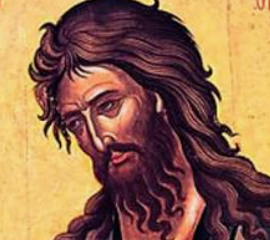
Isaiah 40:3 — written c. 700 BCE; fulfilled John 1:23"A voice cries: 'In the wilderness prepare the way of the LORD; make straight in the desert a highway for our God.'"The Fourth Gospel records John the Baptist (c. 27–30 AD) explicitly self-identifying with this Isaiah 40:3 passage: "He said, 'I am the voice of one crying out in the desert, "Make straight the way for the Lord," as the prophet Isaiah said'" (John 1:23). The Dead Sea Scroll community (Qumran) also used Isaiah 40:3 to understand their own wilderness mission — confirming the text was read messianically before Jesus's ministry. Evidence: Textual (Isaiah 40:3 + John 1:23; Matthew 3:3; Mark 1:2–3); Corroborated by Qumran Community Rule (1QS VIII.14). [Ontology: The Bible > Fulfilled Prophecies > Messianic]
[/su_column] [su_column class="col-m"]Isaiah 9:1–2 - Galilee Ministry to Gentiles
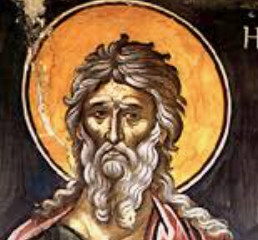
Isaiah 9:1–2 — written c. 735 BCE; fulfilled Matthew 4:12–17 (c. 27–30 AD)"But there will be no gloom for her who was in anguish. In the former time he brought into contempt the land of Zebulun and the land of Naphtali, but in the latter time he has made glorious the way of the sea, the land beyond the Jordan, Galilee of the nations. The people who walked in darkness have seen a great light."Matthew 4:13–17 explicitly identifies Jesus's move to Capernaum (on the Sea of Galilee, in the territory of Zebulun and Naphtali) as a fulfillment of this Isaiah passage. The specificity of the geographic detail — Zebulun, Naphtali, the region of Galilee, and "the way of the sea" — was unusual in Messianic expectation, which anticipated a Jerusalem-centered ministry. Evidence: Textual (Isaiah 9:1–2; Matthew 4:13–17); Geographic-historical corroboration (Capernaum location: Zebulun-Naphtali border, confirmed by archaeology). [Ontology: The Bible > Fulfilled Prophecies > Messianic]
[/su_column] [/su_row]Zechariah 9:9 - Triumphal Entry on a Donkey
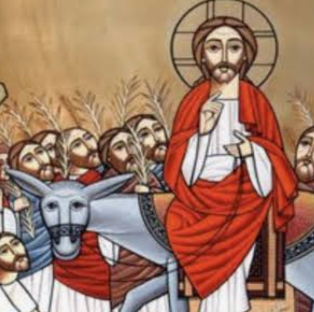
Zechariah 9:9,written c. 520–518 BCE; fulfilled in Matthew 21:1–11"Rejoice greatly, O daughter of Zion! Shout aloud, O daughter of Jerusalem! Behold, your king is coming to you; righteous and having salvation is he, humble and mounted on a donkey, on a colt, the foal of a donkey."Matthew 21:4–5 and John 12:14–15 both record Jesus's Triumphal Entry as a deliberate fulfillment of Zechariah 9:9. Choosing to enter Jerusalem on a donkey — rather than a war horse (the expected symbol of a military messiah) — reflected the text with precision. Josephus and other sources confirm that messianic expectation ran high in Jerusalem during Passover week. Evidence: Textual (Zechariah 9:9; Matthew 21:1–11; John 12:12–16); Historical-contextual (Josephus, Jewish War II on messianic expectations). [Ontology: The Bible > Fulfilled Prophecies > Messianic]
MESSIANIC PROPHECIES (REMAINING TOP-TIER)
Fulfilled Prophecies: Messianic — Remaining Top-Tier
[su_row][su_column class="col-n"]Matthew 22:41–45 - SIT AT MY RIGHT HAND
David, king of Israel and traditional psalmist"The LORD said unto my Lord, Sit thou at my right hand, until I make thine enemies thy footstool."Jesus cites this psalm directly in debate with religious leaders, arguing that the Messiah must be more than merely David's human descendant. The New Testament applies it to Christ's resurrection and exaltation to God's right hand. Claimed fulfillment: Matthew 22:41–45; Acts 2:34–36; Hebrews 1:13. OT source: Psalm 110:1. This is the most frequently quoted Old Testament verse in the New Testament. [Ontology: The Bible > Fulfilled Prophecies > Messiah: Exaltation and Kingship]

Hebrews 5:6; 6:20 - THE ORDER OF MELCHIZEDEK
David, king of Israel and traditional psalmist"The LORD hath sworn, and will not repent, Thou art a priest for ever after the order of Melchizedek."The book of Hebrews develops this verse at length, arguing that Jesus holds a permanent, superior priesthood that supersedes the Levitical system. Melchizedek appears in Genesis 14 as a mysterious priest-king of Salem who blessed Abraham. Claimed fulfillment: Hebrews 5:6; 6:20; 7:1–28. OT source: Psalm 110:4. [Ontology: The Bible > Fulfilled Prophecies > Messiah: Eternal Priesthood]

Luke 4:16–21 - ANOINTED TO PROCLAIM GOOD NEWS
Isaiah, prophet of Judah, Great Isaiah Scroll"The Spirit of the Lord GOD is upon me; because the LORD hath anointed me to preach good tidings unto the meek; he hath sent me to bind up the brokenhearted, to proclaim liberty to the captives."Jesus reads this passage aloud in the Nazareth synagogue and declares, "This day is this scripture fulfilled in your ears." It is one of the most direct self-applications of an Old Testament prophecy in the Gospels. Claimed fulfillment: Luke 4:16–21. OT source: Isaiah 61:1–2. [Ontology: The Bible > Fulfilled Prophecies > Messiah: Anointed Ministry]
Matthew 2:1–2 - A STAR OUT OF JACOB
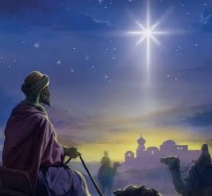
Balaam, prophet in the book of Numbers"There shall come a Star out of Jacob, and a Sceptre shall rise out of Israel."This oracle from a non-Israelite prophet became one of the most widely cited messianic texts in Second Temple Judaism. Early Christians connected it with the star at Jesus' birth and His royal identity. Claimed fulfillment: Matthew 2:1–2; Revelation 22:16. OT source: Numbers 24:17. The Dead Sea Scrolls community also applied this verse to an expected messianic figure, confirming its pre-Christian messianic interpretation. [Ontology: The Bible > Fulfilled Prophecies > Messiah: Star and Scepter]
Matthew 2:13–15 - CALLED OUT OF EGYPT
Hosea, eighth-century BC prophet of Israel"When Israel was a child, then I loved him, and called my son out of Egypt."Matthew applies this verse to the Holy Family's return from Egypt after Herod's death, presenting Jesus as the true Israel who recapitulates the nation's history. Claimed fulfillment: Matthew 2:13–15. OT source: Hosea 11:1. The original context refers to the Exodus; Matthew's use is typological, reading Israel's story as a pattern fulfilled in Christ. [Ontology: The Bible > Fulfilled Prophecies > Messiah: Typological Fulfillment — Egypt]
Matthew 11:4–5 - HEALING OF THE SICK
Isaiah, prophet of Judah — Great Isaiah Scroll"Then the eyes of the blind shall be opened, and the ears of the deaf shall be unstopped. Then shall the lame man leap as an hart, and the tongue of the dumb sing."When John the Baptist's disciples ask if Jesus is the expected one, Jesus points to these very signs as His answer. The Gospel accounts describe Jesus healing the blind, deaf, lame, and mute. Claimed fulfillment: Matthew 11:4–5; Luke 7:22. OT source: Isaiah 35:5–6. [Ontology: The Bible > Fulfilled Prophecies > Messiah: Healing Ministry]
[/su_column] [su_column class="col-m"]Matthew 26:67 - ISAIAH'S 'SERVANT SONG'
Isaiah, prophet of Judah — Great Isaiah Scroll"I gave my back to the smiters, and my cheeks to them that plucked off the hair: I hid not my face from shame and spitting."The Gospel passion narratives describe Jesus being flogged, struck, and spat upon before His crucifixion. Christians see Isaiah's Servant Song as anticipating these specific details. Claimed fulfillment: Matthew 26:67; Matthew 27:26, 30; Mark 14:65. OT source: Isaiah 50:6. [Ontology: The Bible > Fulfilled Prophecies > Messiah: Passion — Mocking and Flogging]
Mark 15:27–28 - NUMBERED WITH TRANSGRESSORS
Isaiah, prophet of Judah — Isaiah 53"He was numbered with the transgressors; and he bare the sin of many, and made intercession for the transgressors."Jesus was crucified between two criminals, and Luke records Him praying for His executioners. Mark explicitly cites Isaiah 53:12 in connection with Jesus' crucifixion. Claimed fulfillment: Mark 15:27–28; Luke 23:33–34. OT source: Isaiah 53:12. [Ontology: The Bible > Fulfilled Prophecies > Messiah: Crucified Among Criminals]
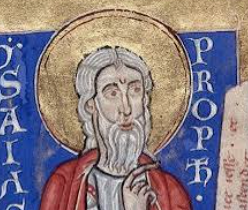
Matthew 21:42 - THE STONE REJECTED
Psalm 118, a Hallel psalm of the Hebrew Bible"The stone which the builders refused is become the head stone of the corner."Jesus cites this verse directly after the parable of the wicked tenants, applying it to His own rejection and ultimate vindication. Peter and Paul also apply it to Christ. Claimed fulfillment: Matthew 21:42; Acts 4:11; 1 Peter 2:7. OT source: Psalm 118:22. [Ontology: The Bible > Fulfilled Prophecies > Messiah: Rejected and Vindicated]
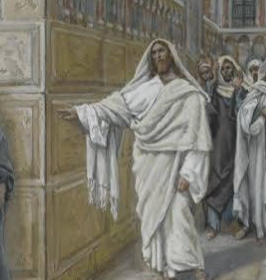
Romans 9:33 - A STONE OF STUMBLING
Isaiah, prophet of Judah — Great Isaiah Scroll"Behold, I lay in Zion for a foundation a stone, a tried stone, a precious corner stone, a sure foundation."Paul and Peter both cite Isaiah's cornerstone and stumbling-stone passages as fulfilled in Christ — the one who is either a foundation for faith or a cause of stumbling for those who reject Him. Claimed fulfillment: Romans 9:33; 1 Peter 2:6–8. OT source: Isaiah 28:16; Isaiah 8:14. [Ontology: The Bible > Fulfilled Prophecies > Messiah: Cornerstone and Stumbling Stone]
Luke 3:1 - SEVENTY WEEKS DECREED
Daniel, associated with Babylonian/Persian periods"Know therefore and understand, that from the going forth of the commandment to restore and to build Jerusalem unto the Messiah the Prince shall be seven weeks, and threescore and two weeks... and after threescore and two weeks shall Messiah be cut off, but not for himself."Daniel 9's "seventy weeks" prophecy has been interpreted by many Christian scholars as a timeline pointing to the arrival and death of the Messiah. Various starting points and calculation methods have been proposed, with some arriving at dates close to Jesus' ministry. Claimed fulfillment: Luke 3:1; John 19:30. OT source: Daniel 9:24–26. The calculations are complex and interpretations vary significantly. [Ontology: The Bible > Fulfilled Prophecies > Messiah: Timeline — Anointed One]
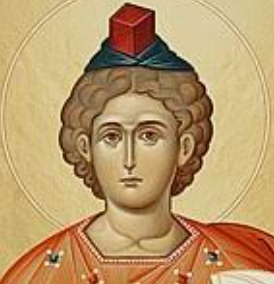
Matthew 2:16–18 - RACHEL WEEPING FOR HER CHILDREN
Jeremiah, prophet during Jerusalem's fall"A voice was heard in Ramah, lamentation, and bitter weeping; Rahel weeping for her children refused to be comforted for her children, because they were not."Matthew connects this lament — originally about the exile of Judah's children — with Herod's massacre of infants in Bethlehem. Claimed fulfillment: Matthew 2:16–18. OT source: Jeremiah 31:15. Matthew's use is typological: the grief of exile finds a new expression in the grief of Bethlehem. [Ontology: The Bible > Fulfilled Prophecies > Messiah: Typological Fulfillment — Weeping]
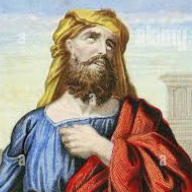
[/su_column][/su_row] [su_row]Matthew 2:1–12 - KINGS BRING GIFTS AND BOW
Solomon, traditional author of Psalm 72"The kings of Tarshish and of the isles shall bring presents: the kings of Sheba and Seba shall offer gifts. Yea, all kings shall fall down before him: all nations shall serve him."Christians have long connected this royal psalm with the Magi's visit to the infant Jesus, bringing gifts of gold, frankincense, and myrrh. Claimed fulfillment: Matthew 2:1–12. OT source: Psalm 72:10–11. The psalm is primarily a prayer for Solomon's reign; its universal scope led early Christians to see its fullest fulfillment in Christ. [Ontology: The Bible > Fulfilled Prophecies > Messiah: Worship by the Nations]

SECTION 5: PSALM 22 — CRUCIFIXION PROPHECY
[su_column class="col-n"][/su_column] [su_column class="col-m"]Psalm 22 — Written Before Crucifixion Existed
J. Barton Payne, Th.D. — Covenant Theological Seminary"Psalm 22 presents one of the most remarkable cases of predictive prophecy in the entire Old Testament. Written approximately 1,000 years before the crucifixion, it describes death by exposure and public mockery in terms that are inexplicable apart from divine foreknowledge."This represents Payne's documented scholarly position in Encyclopedia of Biblical Prophecy (1973, pp. 257–264), where he catalogues 1,239 prophetic verses in the Old Testament and identifies Psalm 22 as one of the clearest Messianic fulfillments. Crucifixion as an execution method was unknown in Israel in the Davidic era (~1000 BCE); the Romans did not employ it systematically until after 63 BCE. Evidence: Textual-historical (Payne, Encyclopedia of Biblical Prophecy, 1973; historical attestation of crucifixion practice). [Ontology: The Bible > Fulfilled Prophecies > Messianic]
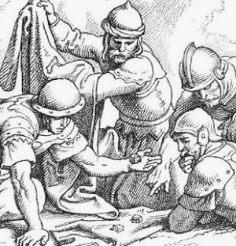
[/su_column] [/su_row] [su_row] [su_column class="col-n"]Psalm 22:18 - "They Cast Lots"
Psalm 22:18; fulfilled John 19:23–24"They divide my garments among them, and for my clothing they cast lots."John 19:23–24 records this fulfillment with explicit commentary: "So the soldiers did these things" (v.24), and cites c. 1000 BCE Psalm 22:18 verbatim. The detail is a two-part action — dividing garments AND casting lots — which John records as two distinct events (the soldiers divided four portions but cast lots for the seamless tunic). John's specificity reinforces the correspondence. Evidence: Direct textual match (Psalm 22:18 vs. John 19:23–24); John himself identifies it as fulfillment. [Ontology: The Bible > Fulfilled Prophecies > Messianic] and Manuscript Reliability
[/su_column] [su_column class="col-m"] [/su_column] [/su_row] [su_row]Psalm 22:1 - "Why Have You Forsaken Me?"
Craig A. Evans, Ph.D., Claremont Graduate University; Author"When Jesus cried from the cross 'My God, my God, why have you forsaken me?' (Mark 15:34), he was quoting the opening verse of Psalm 22. To a Jewish audience familiar with the Psalms, this was an implicit claim that the entire Psalm — including its unexpected vindication at the close — was being enacted in his death."Evans's observation (paraphrasing his position in Jesus and the Manuscripts, 2020, and Mark 8:27–16:20, Word Biblical Commentary, 2001) reflects broad scholarly consensus that Jesus's Aramaic cry Eloi, Eloi, lama sabachthani (Mark 15:34) is a quotation of Psalm 22:1 — and that Psalm 22 functions as a "passion narrative in miniature," cited by the NT at least six times. Evidence: Textual (Psalm 22:1 vs. Mark 15:34; Matthew 27:46); Contextual (Evans, WBC, 2001; Richard Bauckham, Jesus and the God of Israel, 2008). [Ontology: The Bible > Fulfilled Prophecies > Messianic]

SECTION 6: ZECHARIAH 11 — THIRTY PIECES OF SILVER
[su_column class="col-n"]Zechariah 11:12–13 - Thirty Pieces of Silver
Zechariah 11:12–13 ; fulfilled in Matthew"Then I said to them, 'If it seems good to you, give me my wages; but if not, keep them.' And they weighed out as my wages thirty pieces of silver. Then the LORD said to me, 'Throw it to the potter' — the lordly price at which I was priced by them. So I took the thirty pieces of silver and threw them into the house of the LORD, to the potter."Matthew 26:15 records the chief priests paying Judas exactly 30 silver pieces. After Judas returned the money (Matthew 27:3–5), the priests used it to purchase a potter's field (Matthew 27:7–10) — fulfilling Zechariah 11:13 in both the specific amount and the specific use. Matthew explicitly cites the prophet (attributing it to Jeremiah, a known synecdoche for the Prophets scroll). Evidence: Direct textual fulfillment (Zechariah 11:12–13 vs. Matthew 26:15; 27:3–10); Historical-contextual (thirty silver shekels as the price of a slave in Exodus 21:32). [Ontology: The Bible > Fulfilled Prophecies > Messianic]
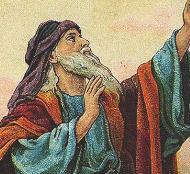
[/su_column] [su_column class="col-m"]THIRTY PIECES OF SILVER
Zechariah, post-exilic prophet of Judah"And the LORD said unto me, Cast it unto the potter: a goodly price that I was prised at of them. And I took the thirty pieces of silver, and cast them to the potter in the house of the LORD."Matthew reports that Judas threw the betrayal money into the Temple, and the priests used it to buy a potter's field for burial of strangers. Claimed fulfillment: Matthew 27:3–10. OT source: Zechariah 11:12–13. Matthew's citation also echoes Jeremiah, making this one of the more complex citation relationships in the New Testament. [Ontology: The Bible > Fulfilled Prophecies > Messiah: Betrayal — Potter's Field]
Zechariah 11:12–13 - Thirty Pieces of Silver
Zechariah 11:12–13 — written c. 520–518 BCE; fulfilled in Matthew"Then I said to them, 'If it seems good to you, give me my wages; but if not, keep them.' And they weighed out as my wages thirty pieces of silver. Then the LORD said to me, 'Throw it to the potter' — the lordly price at which I was priced by them."Matthew 26:15 records the chief priests paying Judas exactly 30 silver pieces. After Judas returned the money (Matthew 27:3–5), the priests used it to purchase a potter's field — fulfilling Zechariah 11:13 in both the specific amount and the specific use.Evidence: Direct textual fulfillment (Zechariah 11:12–13 vs. Matthew 26:15; 27:3–10). File Under: The Bible › Fulfilled Prophecies › Messianic
[/su_column] [/su_row] [su_row] [su_column class="col-n"]Psalm 34; Exodus 12 - No Bone Broken
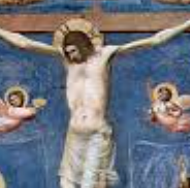
Psalm 34:20 and Exodus 12:46; fulfilled John 19:33, 36"He keeps all his bones; not one of them is broken." [Psalm 34:20] / "…you shall not break any of its bones." [Exodus 12:46, Passover Lamb instruction]John 19:33 records that Roman soldiers, upon finding Jesus already dead, did not break his legs (as was customary in crucifixion to hasten death). John 19:36 explicitly identifies this as fulfillment: "these things took place that the Scripture might be fulfilled: 'Not one of his bones will be broken.'" The convergence of the Passover Lamb typology (Exodus 12:46) with Psalm 34:20 is a dual fulfillment. Evidence: Direct textual correspondence (Psalm 34:20; Exodus 12:46 vs. John 19:33–36); John's own fulfillment citation. [Ontology: The Bible > Fulfilled Prophecies > Messianic]
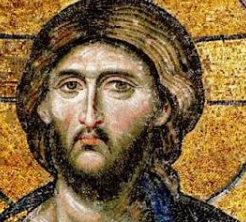
[/su_column] [su_column class="col-m"]John 19:33–36 - NOT ONE OF HIS BONES
David, king of Israel and traditional psalmist"He keepeth all his bones: not one of them is broken."John explicitly connects this verse with the Roman soldiers' decision not to break Jesus' legs at the crucifixion, since He was already dead. Claimed fulfillment: John 19:33–36. OT source: Psalm 34:20; also Exodus 12:46 (the Passover lamb). The convergence of Passover imagery and this psalm is significant in John's theology. [Ontology: The Bible > Fulfilled Prophecies > Messiah: Crucifixion Detail]
[/su_column] [/su_row] [su_row]Isaiah 7:14 - Born of a Virgin
Isaiah 7:14; cited Matthew 1:23"Therefore the Lord himself will give you a sign. Behold, the virgin shall conceive and bear a son, and shall call his name Immanuel."The Hebrew word almah (young woman/virgin) was rendered as parthenos (virgin) in the Septuagint (LXX, c. 250 BCE) — before Jesus's birth. Matthew 1:23 cites the LXX rendering explicitly. Isaiah 7:14 appears in the Great Isaiah Scroll (1QIsaa) and is preserved in a scroll predating the Nativity accounts by at least 100 years. Evidence: Textual (Isaiah 7:14 Hebrew/LXX vs. Matthew 1:23); Archaeological (Great Isaiah Scroll, 1QIsaa, ~125 BCE, Israel Museum). [Ontology: The Bible > Fulfilled Prophecies > Messianic]

SECTION 7: HISTORICAL PROPHECIES — BABYLON, TYRE, EGYPT
[su_column class="col-n"][/su_column] [su_column class="col-m"]Isaiah 13:19–22 - Babylon's Permanent Desolation
Isaiah 13:19–22; fulfilled progressively 539 BCE to present"And Babylon, the glory of kingdoms, the splendor and pride of the Chaldeans, will be like Sodom and Gomorrah when God overthrew them. It will never be inhabited or lived in for all generations; no Arab will pitch his tent there; no shepherds will make their flocks lie down there."Ancient Babylon (modern Hillah region, Iraq) fell to Cyrus in 539 BCE without being destroyed. However, the prophecy of permanent uninhabitation has been progressively fulfilled: after the fall of Babylon and various sieges, the city was eventually abandoned. The site of ancient Babylon (Tell Babil) remains largely uninhabited and is not a continuously settled city. Multiple prophecy scholars (J. Barton Payne, Josh McDowell) cite this passage as a long-range historical prophecy with verifiable outcome. Evidence: Textual (Isaiah 13:19–22); Historical-archaeological (site of Babylon, modern Iraq; UNESCO World Heritage designation of the ruins). [Ontology: The Bible > Fulfilled Prophecies > Historical]
[/su_column] [/su_row] [su_row] [su_column class="col-n"]Ezekiel 26:4 - Tyre Scraped Bare
Ezekiel 26:3–12 — written c. 587 BCE"They will break down your walls and demolish your pleasant houses. Your stones and timber and soil they will cast into the midst of the waters… I will make you a bare rock; you shall be a place for the spreading of nets."Ezekiel 26:12 specifically predicts that Tyre's "stones and timber and soil" would be cast into the sea. In 332 BCE, Alexander the Great demolished the mainland city of Tyre and threw the rubble into the sea to build a causeway (mole) to the island fortress — precisely fulfilling this image. The Greek historian Arrian recorded this in Anabasis of Alexander II.18–24. The causeway created by Alexander's engineers is still visible today as a permanent isthmus. Evidence: Historical-archaeological (Arrian, Anabasis II.18–24; Josephus, Antiquities XI.8.4; geological survey of the Tyre causeway). [Ontology: The Bible > Fulfilled Prophecies > Historical]
[/su_column] [su_column class="col-m"]Ezekiel 36:24 - Israel Regathered from the Nations
Ezekiel 36:24; Isaiah 11:11–12"For I will take you from the nations and gather you from all the countries and bring you into your own land… In that day the Lord will extend his hand yet a second time to recover the remnant that remains of his people… and gather the dispersed of Judah from the four corners of the earth."Ezekiel 36:24 and Isaiah 11:11–12 describe a divine gathering of Israel "a second time" from the nations. Many scholars of biblical prophecy (including Walter Kaiser, Arnold Fruchtenbaum, and John Walvoord) interpret the founding of modern Israel in 1948 — following 1,878 years of Jewish diaspora — as a remarkable correspondence to these texts. This is classified as "interpretive fulfillment," as its correspondence depends on theological interpretation; historians debate the religious nature of the modern State of Israel. Evidence: Textual (Ezekiel 36:24; Isaiah 11:11–12); Historical (Declaration of Israeli Independence, May 14, 1948). [Ontology: The Bible > Fulfilled Prophecies > Historical]
[/su_column] [/su_row]Daniel 2:37–44 - Daniel's Four Kingdoms
Daniel 2; fulfilled 63 BCE"You, O king, are the king of kings, to whom the God of heaven has given the kingdom, the power, and the might, and the glory… After you shall arise another kingdom inferior to you, and yet a third kingdom of bronze, which shall rule over all the earth. And there shall be a fourth kingdom, strong as iron…"Daniel 2:37–44 describes a statue with four sections: gold (Babylon), silver (Medo-Persia), bronze (Greece under Alexander), and iron/clay (Rome). The historical sequence of world empires following Babylon — Persia (539 BCE), Greece (332 BCE), Rome (63 BCE) — matches this sequence precisely. The critical question — whether Daniel was written before or after these events — is a matter of scholarly debate (conservative: c. 605 BCE; critical: c. 165 BCE). Evidence: Textual (Daniel 2); Historical (succession of Near Eastern empires); Discussed in John Goldingay, Daniel (WBC, 1989). [Ontology: The Bible > Fulfilled Prophecies > Historical]
Fulfilled Prophecies: Second-Tier — Broader Voices & Wider Evidence
[su_row][su_column class="col-n"]ISAIAH 53 UNCANNY PROPHECY
Edith Schaeffer, author, theologian, and co-founder of L'Abri Fellowship (1914–2013)"Isaiah 53 is so specific in its description of the suffering, rejection, death, and burial of the Servant that it reads not like a prediction written seven centuries before Christ, but like an eyewitness account written after the fact."Schaeffer's observation reflects a widely shared response among readers encountering Isaiah 53 alongside the Gospel passion narratives. The chapter describes rejection, vicarious suffering, silent endurance, death with the wicked, and burial with the rich — all corresponding to Gospel accounts. Evidence: Textual comparison; the Great Isaiah Scroll (c. 125 BCE) confirms the text predates the Christian era. OT source: Isaiah 53. [Ontology: The Bible > Fulfilled Prophecies > Messiah: Isaiah 53 — Eyewitness Quality]

OVER 300 SPECIFIC PROPHECIES FULFILLED
Josh McDowell, Christian apologist and author, Evidence That Demands a Verdict"The fulfillment of prophecy is one of the most convincing evidences for the divine inspiration of the Bible. There are over 300 specific prophecies in the Old Testament that were fulfilled in the life, death, and resurrection of Jesus Christ."McDowell's widely read apologetic work catalogs messianic prophecies and their claimed New Testament fulfillments. The figure of 300+ includes both direct predictions and typological patterns. Evidence: Textual analysis and cross-referencing of Old and New Testament passages. Source: Josh McDowell, Evidence That Demands a Verdict (1972, revised 1999). [Ontology: The Bible > Fulfilled Prophecies > Messiah: Cumulative Prophetic Evidence]

DANIEL'S SEVENTY WEEKS POINTS TO THE FIRST CENTURY
Gleason Archer, Old Testament scholar and professor, Trinity Evangelical Divinity School"The terminus of the sixty-nine weeks brings us to the very time of Christ's public ministry, and the cutting off of the Anointed One corresponds to His crucifixion. No other figure in history fits this description."Archer's calculation, starting from the decree of Artaxerxes I in 445 BC, arrives at a date within the range of Jesus' ministry and death. This is one of the most discussed chronological arguments in biblical prophecy. Evidence: Historical chronology and textual analysis. Source: Gleason Archer, Encyclopedia of Bible Difficulties (1982). OT source: Daniel 9:24–26. [Ontology: The Bible > Fulfilled Prophecies > Messiah: Daniel's Timeline]
RABBIS APPLIED TEXTS TO THE MESSIAH BEFORE CHRISTIANITY
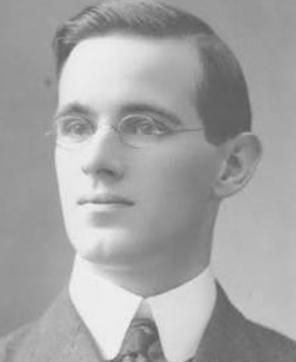
Alfred Edersheim, Jewish-Christian scholar and historian (1825–1889), The Life and Times of Jesus the Messiah"The ancient Synagogue applied to the Messiah no fewer than 456 passages of the Old Testament, and the Rabbis themselves interpreted many of the very texts which Christians cite as messianic prophecies."Edersheim's landmark study documented that pre-Christian Jewish interpretation — not Christian invention — identified many of the same passages as messianic. This is significant because it shows the messianic reading of texts like Isaiah 53, Psalm 22, and Micah 5:2 was not retrojected by Christians after the fact. Evidence: Rabbinic literature and Talmudic sources. Source: Alfred Edersheim, The Life and Times of Jesus the Messiah, Appendix IX (1883). [Ontology: The Bible > Fulfilled Prophecies > Messiah: Pre-Christian Jewish Interpretation]
SEPTUAGINT ALREADY DISPLAYED 'VIRGIN' BEFORE JESUS' BIRTH
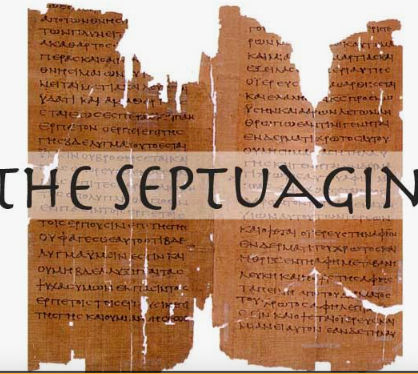
Karen H. Jobes, biblical scholar, Wheaton College"The Septuagint translators, working before the Christian era, rendered the Hebrew almah in Isaiah 7:14 as parthenos — the Greek word for virgin. Matthew's use of this translation is not a Christian invention; it reflects a pre-Christian interpretive tradition."Jobes's observation is important for the evidential case: the Greek translation of the Hebrew Bible (Septuagint, c. 250–150 BCE) already used the word "virgin" for Isaiah 7:14 before Jesus was born. Matthew's citation therefore draws on an existing translation tradition, not a post-hoc Christian reading. Evidence: Textual and translation history. Source: Karen H. Jobes & Moisés Silva, Invitation to the Septuagint (2000). OT source: Isaiah 7:14. [Ontology: The Bible > Fulfilled Prophecies > Messiah: Virgin Birth — Septuagint Evidence]
Ezekiel 26:12 - TYRE'S STONES TO THE SEA
Ezekiel, prophet among the Judean exiles in Babylon"And they shall lay thy stones and thy timber and thy dust in the midst of the water."Alexander the Great's siege of island Tyre (332 BC) is historically documented: he demolished the ruins of the mainland city and used the stones, timber, and rubble to build a causeway across the sea to the island fortress. This specific detail — building materials cast into the water — corresponds closely to Ezekiel's wording. Evidence: Historical record (Arrian, Anabasis; Diodorus Siculus); archaeological survey of the causeway. OT source: Ezekiel 26:12. [Ontology: The Bible > Fulfilled Prophecies > Historical: Tyre — Causeway Detail]
[/su_column] [su_column class="col-m"]NOT ONE STONE LEFT UPON ANOTHER
Flavius Josephus, first-century Jewish historian; Arch of Titus"Caesar gave orders that they should now demolish the entire city and Temple... it was so thoroughly laid even with the ground by those that dug it up to the foundation, that there was left nothing to make those that came thither believe it had ever been inhabited."Jesus predicted that the Temple would be destroyed so completely that "there shall not be left here one stone upon another" (Matthew 24:2; Luke 21:6). Josephus, a Jewish eyewitness historian who was not a Christian, records the total destruction of Jerusalem and the Temple by Rome in 70 AD — within a generation of Jesus' prediction. Evidence: Eyewitness historical testimony; archaeological confirmation at the Temple Mount. Source: Josephus, The Jewish War, VII.1.1. [Ontology: The Bible > Fulfilled Prophecies > Historical: Jerusalem's Destruction — 70 AD]

Luke 21:24 - JERUSALEM TRAMPLED BY THE GENTILES
Jesus of Nazareth, as recorded by Luke the Evangelist — Arch of Titus relief, Rome, c. 81 CE"And they shall fall by the edge of the sword, and shall be led away captive into all nations: and Jerusalem shall be trodden down of the Gentiles, until the times of the Gentiles be fulfilled."Jesus predicted the dispersion of the Jewish people and Gentile control of Jerusalem. From 70 AD through 1967, Jerusalem was under successive Gentile powers — Roman, Byzantine, Arab, Crusader, Ottoman, and British. The Arch of Titus in Rome depicts the Temple menorah being carried away in triumph. Evidence: Historical record spanning nearly 1,900 years; archaeological and numismatic evidence. NT source: Luke 21:24. [Ontology: The Bible > Fulfilled Prophecies > Historical: Jerusalem — Gentile Dominion]
Deuteronomy 28:64 - 'scatter thee among all people'
Moses, lawgiver and central figure of the Pentateuch; Arch of Titus relief"And the LORD shall scatter thee among all people, from the one end of the earth even unto the other."The worldwide dispersion of the Jewish people following the Babylonian exile and especially after 70 AD is one of the most historically documented phenomena in world history. Jewish communities have been documented on every inhabited continent. Evidence: Historical record; demographic and archaeological evidence across millennia. OT source: Deuteronomy 28:64. This is a covenant-warning passage; its historical fulfillment is among the most verifiable in the entire Bible. [Ontology: The Bible > Fulfilled Prophecies > Historical: Israel — Worldwide Dispersion]
Ezekiel 37:21-22 - I WILL TAKE THE CHILDREN OF ISRAEL
Ezekiel, prophet among the Judean exiles in Babylon"I will take the children of Israel from among the heathen, whither they be gone, and will gather them on every side, and bring them into their own land: And I will make them one nation in the land upon the mountains of Israel."The re-establishment of the State of Israel in 1948 and the subsequent return of Jewish people from over 100 nations is cited by many scholars and theologians as a remarkable modern correspondence to Ezekiel's vision of national restoration. Evidence: Modern historical record; demographic data. OT source: Ezekiel 37:21–22. Some see this as fulfilled in the post-exilic return from Babylon; others see 1948 as a further fulfillment. Presented here as a widely discussed correspondence, not a settled claim. [Ontology: The Bible > Fulfilled Prophecies > Historical: Israel — National Restoration]
Amos 9:14-15 - I WILL PLANT THEM UPON THEIR LAND
Amos, eighth-century BC prophet of Israel"And I will bring again the captivity of my people of Israel, and they shall build the waste cities, and inhabit them... and I will plant them upon their land, and they shall no more be pulled up out of their land which I have given them, saith the LORD thy God."Amos closes with a promise of restoration and permanence. Many modern readers connect this with the re-establishment of Israel in 1948 and its survival through multiple wars. Evidence: Modern historical record. OT source: Amos 9:14–15. As with Ezekiel 37, this is a widely discussed correspondence presented as a claimed fulfillment rather than a settled proof. [Ontology: The Bible > Fulfilled Prophecies > Historical: Israel — Restoration and Permanence]
WHO HAS HEARD SUCH A THING? A NATION BORN IN ONE DAY
Isaiah, eighth-century BC prophet of Judah — Great Isaiah Scroll"Who hath heard such a thing? who hath seen such things? Shall the earth be made to bring forth in one day? or shall a nation be born at once?"Many Christian and Jewish commentators have connected this verse with Israel's declaration of independence on May 14, 1948 — a nation reconstituted in a single day after nearly 1,900 years of statelessness. Evidence: Modern historical record. OT source: Isaiah 66:8. The original context concerns Zion's restoration; the 1948 application is a claimed correspondence rather than a direct prediction. [Ontology: The Bible > Fulfilled Prophecies > Historical: Israel — Nation Born in a Day]
CYRUS CYLINDER CORROBORATES BIBLICAL DECREE
Cyrus Cylinder, c. 539 BC — British Museum, London (BM 90920)"I returned to [these] sacred cities on the other side of the Tigris, the sanctuaries of which have been ruins for a long time, the images which [used] to live therein and established for them permanent sanctuaries. I [also] gathered all their [former] inhabitants and returned [to them] their habitations."The Cyrus Cylinder, discovered in Babylon in 1879 and now in the British Museum, records Cyrus's policy of repatriating displaced peoples and restoring their religious sanctuaries — consistent with the biblical account in Ezra 1:1–4. While the Cylinder does not specifically name Judeans or Jerusalem, it confirms the general policy that Ezra attributes to Cyrus. Evidence: Physical artifact; cuneiform inscription; British Museum accession BM 90920. OT source: Ezra 1:1–4; Isaiah 44:28–45:1. [Ontology: The Bible > Fulfilled Prophecies > Historical: Cyrus — Physical Corroboration]

THE COVENANT CURSES OF DEUTERONOMY WERE HISTORY
Meredith Kline, Old Testament scholar , Gordon-Conwell Theological Seminary"The covenant curses of Deuteronomy 28 — siege, famine, exile, and dispersion — were not vague threats but specific treaty sanctions that were enacted with historical precision in the Assyrian and Babylonian invasions."Kline's treaty-structure analysis of Deuteronomy showed that its covenant curses follow the pattern of ancient Near Eastern suzerainty treaties. The specific curses — siege warfare, cannibalism during siege, exile, and worldwide dispersion — correspond to documented historical events in 722 BC (Assyrian conquest of Israel) and 586 BC (Babylonian conquest of Judah). Evidence: Ancient Near Eastern treaty parallels; archaeological and historical record. OT source: Deuteronomy 28:15–68. [Ontology: The Bible > Fulfilled Prophecies > Historical: Covenant Curses — Historical Enactment]

LAMENTATIONS ACCURATELY DESCRIBES JERUSALEM'S FALL
Phyllis Trible, Old Testament scholar , Wake Forest University School of Divinity"Lamentations is a document of extraordinary historical and theological honesty. It does not flinch from the reality of Jerusalem's destruction, and its descriptions correspond with remarkable precision to what archaeology has confirmed about the Babylonian devastation of the city."Trible's observation highlights that the biblical account of Jerusalem's fall is not idealized or mythologized but corresponds to the archaeological record of destruction layers, burned structures, and arrowheads found at the City of David and surrounding areas. Evidence: Archaeological excavations at the City of David (Eilat Mazar and others); destruction layers dated to 586 BC. OT source: Lamentations 1–5; Jeremiah 39; 2 Kings 25. [Ontology: The Bible > Fulfilled Prophecies > Historical: Jerusalem's Fall — Archaeological Correspondence]

PROPHECY IS NOT FORTUNE-TELLING — IT's GOD SPEAKING
Elisabeth Elliot, missionary, author, and theologian"Biblical prophecy is not fortune-telling. It is the living God speaking into history — declaring the end from the beginning — so that when it comes to pass, we may know that He is Lord."Elliot's framing reflects Isaiah 46:10, where God declares: "I make known the end from the beginning, from ancient times, what is still to come." Her observation is important for how the site presents fulfilled prophecy: not as a parlor trick but as evidence of a God who acts in history and speaks truthfully about it in advance. Evidence: Theological and evidential framing. Source: Elisabeth Elliot (1926–2015), A Path Through Suffering (1990). [Ontology: The Bible > Fulfilled Prophecies > Theological Framework: What Prophecy Is]

[/su_column][/su_row] The cards below use verbatim KJV biblical wording in the quote field, with the note identifying the prophecy, the claimed fulfillment, and important cautions where an interpretation is debated. =================== ===================Isaiah 46:10 - DECLARING THE END FROM THE BEGINNING
Isaiah, eighth-century BC prophet of Judah — Great Isaiah Scroll, c. 125 BCE, Israel Museum"Declaring the end from the beginning, and from ancient times the things that are not yet done, saying, My counsel shall stand, and I will do all my pleasure."This verse is the Bible's own statement of what fulfilled prophecy is meant to demonstrate: that the God of Israel is uniquely able to declare future events because He governs history. It is the theological foundation for the entire category of fulfilled prophecy as evidence. OT source: Isaiah 46:10. This is not a specific predictive prophecy but the Bible's own rationale for why prophecy matters as evidence. [Ontology: The Bible > Fulfilled Prophecies > Theological Framework: God's Sovereignty Over History]
would not say these discoveries “prove the Old Testament” in the broadest sense. A more accurate and persuasive wording is:
These discoveries confirm that the Old Testament is deeply rooted in real ancient geography, peoples, kingdoms, political conflicts, writing practices, and historical settings. Some artifacts directly name biblical people or nations; others provide strong contextual or textual corroboration.
The strongest direct examples in this set are:
-
Israel on the Merneptah Stele
-
Balaam son of Beor at Deir Alla
-
Jerusalem in the Amarna Letters
-
Mesha, Omri, Israel, and Yahweh on the Mesha Stele
-
The “House of David” on the Tel Dan Stele
-
Ahab on the Kurkh Monolith
-
Jehu on the Black Obelisk
-
Hezekiah on a royal bulla
-
Hezekiah and Judah in Sennacherib’s Prism
-
Jehoiachin in Babylonian ration tablets
-
The priestly blessing in the Ketef Hinnom scrolls
-
Ancient biblical books in the Dead Sea Scrolls
Useful reference points for further verification include the British Museum’s Sennacherib Prism collection entry, the British Museum’s Cyrus Cylinder entry, the British Museum’s Black Obelisk entry, the Museum of the Bible’s Tel Dan Stele overview, and the overview of Old Testament discoveries from Bible Archaeology Report.
The Bible
Fulfilled Prophecies
- These fulfillment titles include first the location in the New Testament of prophecies fulfilled by the original passage in the Old Testament. [su_row][su_column class="col-n"]Romans 16:20 - PROMISED SEED & THE SERPENT
Genesis, foundational book of the Hebrew Bible"And I will put enmity between thee and the woman, and between thy seed and her seed; it shall bruise thy head, and thou shalt bruise his heel."Christians have historically understood this as the Bible’s first promise of a coming deliverer: wounded in conflict, yet ultimately victorious over evil. The New Testament identifies Christ’s work with the defeat of Satan and death. Claimed fulfillment: Romans 16:20; Hebrews 2:14–15; 1 John 3:8. OT source: Genesis 3:15. This is a theological and typological interpretation rather than a named predictive prophecy. [Ontology: The Bible > Fulfilled Prophecies > Messiah: Victory Over Evil]

Galatians 3:8 - ALL NATIONS SHALL BE BLESSED BY ABRAHAM’S SEED
Genesis, foundational book of the Hebrew Bible"And in thee shall all families of the earth be blessed."God’s promise to Abraham reaches beyond one family or nation to “all families of the earth.” Christians see Jesus, a descendant of Abraham, and the global spread of the Christian message as the central fulfillment. Claimed fulfillment: Galatians 3:8, 16; Acts 3:25–26. OT source: Genesis 12:3. [Ontology: The Bible > Fulfilled Prophecies > Messiah: Blessing for the Nations]
Matthew 1:1–3 - RULER FROM TRIBE OF JUDAH
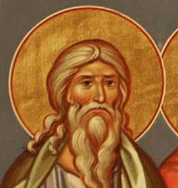
Genesis, foundational book of the Hebrew Bible"The sceptre shall not depart from Judah, nor a lawgiver from between his feet, until Shiloh come; and unto him shall the gathering of the people be."Jewish and Christian interpreters have long connected this verse with royal rule emerging from Judah. Christians identify Jesus as the Davidic king from Judah. Claimed fulfillment: Matthew 1:1–3; Luke 3:23–34; Hebrews 7:14; Revelation 5:5. OT source: Genesis 49:10. The precise meaning of “Shiloh” is debated among scholars. [Ontology: The Bible > Fulfilled Prophecies > Messiah: Tribe of Judah]

Acts 3:22–23 - A PROPHET LIKE MOSES
Moses, lawgiver and central figure of the Pentateuch"The LORD thy God will raise up unto thee a Prophet from the midst of thee, of thy brethren, like unto me; unto him ye shall hearken."The New Testament applies this promised prophet to Jesus, portraying Him as a new Moses who teaches with authority, delivers God’s word, and mediates a covenant. Claimed fulfillment: Acts 3:22–23; Acts 7:37. OT source: Deuteronomy 18:15. Jewish interpretation has also applied this passage more broadly to Israel’s prophetic office. [Ontology: The Bible > Fulfilled Prophecies > Messiah: Prophet Like Moses]
Luke 1:32–33 - DAVID’S EVERLASTING ROYAL LINE
Nathan, prophet in the court of King David"I will set up thy seed after thee, which shall proceed out of thy bowels, and I will establish his kingdom. He shall build an house for my name, and I will stablish the throne of his kingdom for ever."This is the Davidic covenant: God promises David an enduring royal house. Its immediate setting includes Solomon, but Christians believe its ultimate horizon is the everlasting reign of Christ, identified in the New Testament as David’s descendant. Claimed fulfillment: Luke 1:32–33; Acts 13:22–23; Romans 1:3. OT source: 2 Samuel 7:12–13. [Ontology: The Bible > Fulfilled Prophecies > Messiah: Davidic King]
Matthew 3:17 - GOD’S ANOINTED SON AND KING
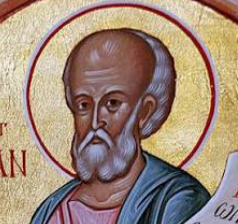
David, king of Israel and traditional psalmist"I will declare the decree: the LORD hath said unto me, Thou art my Son; this day have I begotten thee."Psalm 2 originally concerns God’s anointed king, while the New Testament repeatedly applies its royal-sonship language to Jesus. Claimed fulfillment: Matthew 3:17; Acts 13:33; Hebrews 1:5; Hebrews 5:5. OT source: Psalm 2:7. [Ontology: The Bible > Fulfilled Prophecies > Messiah: Divine Sonship and Kingship]

Acts 2:25-32 - David Was Buried
David, king of Israel and traditional psalmist"For thou wilt not leave my soul in hell; neither wilt thou suffer thine Holy One to see corruption."Peter and Paul argue that David died and was buried, so the psalm’s fullest fulfillment pointed beyond David to the resurrection of Jesus. Claimed fulfillment: Acts 2:25–32; Acts 13:35–37. OT source: Psalm 16:10. This is one of the New Testament’s direct apostolic arguments from Old Testament text to resurrection. [Ontology: The Bible > Fulfilled Prophecies > Messiah: Resurrection]

John 13:18–21 - BETRAYED BY A TRUSTED COMPANION
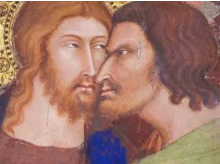
David, king of Israel and traditional psalmist"Yea, mine own familiar friend, in whom I trusted, which did eat of my bread, hath lifted up his heel against me."Jesus cites this psalm in the setting of Judas’s betrayal after sharing a meal with His disciples. Claimed fulfillment: John 13:18–21. OT source: Psalm 41:9. The original psalm speaks from David’s experience, while Christians understand Jesus’ use as a deeper pattern fulfilled in His betrayal. [Ontology: The Bible > Fulfilled Prophecies > Messiah: Betrayal]
Matthew 27:34 - VINEGAR & THE SUFFERING SERVANT
David, king of Israel and traditional psalmist"They gave me also gall for my meat; and in my thirst they gave me vinegar to drink."The Gospel passion narratives describe sour wine or vinegar being offered to Jesus during His crucifixion. Claimed fulfillment: Matthew 27:34, 48; John 19:28–30. OT source: Psalm 69:21. The original psalm is a lament, and Christians read the crucifixion account as its climactic fulfillment. [Ontology: The Bible > Fulfilled Prophecies > Messiah: Suffering and Rejection]
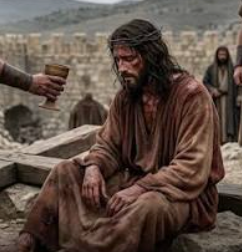
Luke 1:32–33 - THE CHILD WILL REIGN FOREVER
Isaiah, eighth-century BC prophet of Judah"For unto us a child is born, unto us a son is given: and the government shall be upon his shoulder: and his name shall be called Wonderful, Counsellor, The mighty God, The everlasting Father, The Prince of Peace."Isaiah describes a coming Davidic ruler whose reign brings justice, peace, and enduring government. Christians identify Jesus as this promised king. Claimed fulfillment: Luke 1:32–33; John 1:1–14; Revelation 11:15. OT source: Isaiah 9:6–7. [Ontology: The Bible > Fulfilled Prophecies > Messiah: Divine Davidic King]
[/su_column] [su_column class="col-m"]Matthew 1:5–6 - A KING FROM THE ROOT OF JESSE
Isaiah, eighth-century BC prophet of Judah"And there shall come forth a rod out of the stem of Jesse, and a Branch shall grow out of his roots."Jesse was the father of David. The “Branch” image became a major biblical expectation of a renewed Davidic ruler, and the New Testament presents Jesus as the descendant of David and Jesse. Claimed fulfillment: Matthew 1:5–6; Luke 3:31–32; Romans 15:12; Revelation 22:16. OT source: Isaiah 11:1. [Ontology: The Bible > Fulfilled Prophecies > Messiah: Line of Jesse and David]
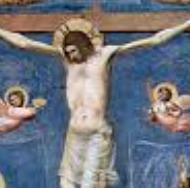
Matthew 3:1–3 - A VOICE PREPARING THE WAY OF THE LORD
Isaiah, eighth-century BC prophet of Judah"The voice of him that crieth in the wilderness, Prepare ye the way of the LORD, make straight in the desert a highway for our God."All four Gospels connect this prophecy to John the Baptist’s wilderness ministry preparing the way for Jesus. Claimed fulfillment: Matthew 3:1–3; Mark 1:2–4; Luke 3:4–6; John 1:23. OT source: Isaiah 40:3. [Ontology: The Bible > Fulfilled Prophecies > Messiah: Forerunner]
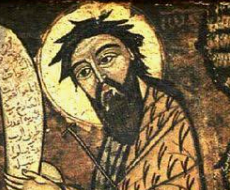
Matthew 3:16–17 - THE SERVANT & JUSTICE TO NATIONS
Isaiah, eighth-century BC prophet of Judah"Behold my servant, whom I uphold; mine elect, in whom my soul delighteth; I have put my spirit upon him: he shall bring forth judgment to the Gentiles."Matthew applies this Servant passage to Jesus’ healing ministry and His gentle public mission. Christians also connect the Spirit descending at Jesus’ baptism to this language. Claimed fulfillment: Matthew 3:16–17; Matthew 12:15–21. OT source: Isaiah 42:1–4. [Ontology: The Bible > Fulfilled Prophecies > Messiah: Servant to the Nations]
Luke 2:29–32 - SALVATION unTO THE END OF THE EARTH
Isaiah, eighth-century BC prophet of Judah"I will also give thee for a light to the Gentiles, that thou mayest be my salvation unto the end of the earth."The early Christian mission repeatedly cites Isaiah’s vision of God’s salvation reaching the nations. Jesus is presented as the light for Jews and Gentiles, and the Christian movement became global despite beginning as a small Jewish movement. Claimed fulfillment: Luke 2:29–32; Acts 13:46–47. OT source: Isaiah 49:6. [Ontology: The Bible > Fulfilled Prophecies > Messiah: Light to the Gentiles]
Philippians 2:5–11 - THE SERVANT EXALTED
Isaiah, eighth-century BC prophet of Judah"Behold, my servant shall deal prudently, he shall be exalted and extolled, and be very high."Isaiah 52:13–53:12 moves from a servant’s suffering and rejection to His eventual exaltation. Christians see this overall movement as corresponding to Jesus’ crucifixion, resurrection, and exaltation. Claimed fulfillment: Philippians 2:5–11; Acts 8:32–35. OT source: Isaiah 52:13–53:12. [Ontology: The Bible > Fulfilled Prophecies > Messiah: Suffering Then Exaltation]
Mark 8:31 - DESPISED AND REJECTED BY MEN
Isaiah, eighth-century BC prophet of Judah"He is despised and rejected of men; a man of sorrows, and acquainted with grief."Christians see the rejection of Jesus by many religious and political leaders, His suffering, and His abandonment by followers as corresponding to Isaiah’s suffering Servant. Claimed fulfillment: Mark 8:31; Luke 17:25; John 1:10–11. OT source: Isaiah 53:3. The Servant’s identity is disputed in Jewish and academic interpretation; Christians identify the Servant ultimately with Jesus. [Ontology: The Bible > Fulfilled Prophecies > Messiah: Rejected Servant]
Romans 4:25 - WOUNDED FOR THE SINS OF OTHERS
Isaiah, eighth-century BC prophet of Judah"But he was wounded for our transgressions, he was bruised for our iniquities: the chastisement of our peace was upon him; and with his stripes we are healed."This is among Christianity’s central texts for understanding Jesus’ death as sacrificial and substitutionary. The New Testament repeatedly presents Christ as suffering for sins and bearing them on behalf of others. Claimed fulfillment: Romans 4:25; 1 Corinthians 15:3; 1 Peter 2:24. OT source: Isaiah 53:5. [Ontology: The Bible > Fulfilled Prophecies > Messiah: Atoning Suffering]
Matthew 26:62–63 - THE SILENT LAMB LED TO SLAUGHTER
Isaiah, eighth-century BC prophet of Judah"He was oppressed, and he was afflicted, yet he opened not his mouth: he is brought as a lamb to the slaughter."The Gospel accounts describe Jesus responding with striking restraint before major accusations, while the New Testament repeatedly identifies Him with sacrificial-lamb imagery. Claimed fulfillment: Matthew 26:62–63; Matthew 27:12–14; John 1:29; Acts 8:32–35. OT source: Isaiah 53:7. [Ontology: The Bible > Fulfilled Prophecies > Messiah: Silent Suffering]

Matthew 27:57–60 - WITH THE RICH IN HIS DEATH
Isaiah, eighth-century BC prophet of Judah"And he made his grave with the wicked, and with the rich in his death; because he had done no violence, neither was any deceit in his mouth."Jesus was executed alongside criminals but buried in the tomb of Joseph of Arimathea, a wealthy council member. Christians see that unusual burial combination as matching Isaiah’s wording. Claimed fulfillment: Matthew 27:57–60; John 19:38–42. OT source: Isaiah 53:9. [Ontology: The Bible > Fulfilled Prophecies > Messiah: Burial]
Matthew 26:31 - THE SHEPHERD STRUCK AND THE SHEEP SCATTERED
Zechariah, post-exilic prophet of Judah"Awake, O sword, against my shepherd, and against the man that is my fellow, saith the LORD of hosts: smite the shepherd, and the sheep shall be scattered."Jesus Himself cites this verse on the night of His arrest, predicting that His disciples would flee. Claimed fulfillment: Matthew 26:31, 56; Mark 14:27, 50. OT source: Zechariah 13:7. [Ontology: The Bible > Fulfilled Prophecies > Messiah: Abandonment by Disciples]
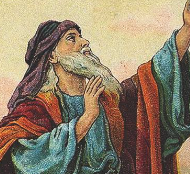
Matthew 11:10 - THE MESSENGER WHO PREPARES THE WAY
Malachi, post-exilic prophet of Judah"Behold, I will send my messenger, and he shall prepare the way before me: and the Lord, whom ye seek, shall suddenly come to his temple."The Gospels identify John the Baptist as the messenger preparing the way for Jesus. Jesus’ ministry also included public activity and teaching at the Jerusalem Temple. Claimed fulfillment: Matthew 11:10; Mark 1:2–4; Luke 7:27. OT source: Malachi 3:1. [Ontology: The Bible > Fulfilled Prophecies > Messiah: Preparing Messenger]
[/su_column][/su_row]Matthew 11:13–14 - ELIJAH BEFORE THE DAY OF THE LORD
Malachi, post-exilic prophet of Judah"Behold, I will send you Elijah the prophet before the coming of the great and dreadful day of the LORD."Jesus identifies John the Baptist as the promised Elijah-like forerunner—not Elijah reincarnated, but the prophetic figure who came “in the spirit and power of Elias.” Claimed fulfillment: Matthew 11:13–14; Matthew 17:10–13; Luke 1:16–17. OT source: Malachi 4:5–6. [Ontology: The Bible > Fulfilled Prophecies > Messiah: Elijah-Like Forerunner]
Historical Prophecies: Israel, Judah & the Nations
Note: The titles include the fulfilled prophecy (in the New Testament) predicted in the Old Testament [su_row][su_column class="col-n"]2 Kings 23:15–20 - JOSIAH NAMED BEFORE HIS REFORMS
The man of God from Judah, prophetic figure in 1 Kings"O altar, altar, thus saith the LORD; Behold, a child shall be born unto the house of David, Josiah by name."The narrative later presents King Josiah as carrying out the stated judgment against the altar at Bethel. Claimed fulfillment: 2 Kings 23:15–20. OT prophecy source: 1 Kings 13:1–2. The evidential force depends on one’s view of the dating and composition of Kings; the text itself presents this as a named long-range prediction. [Ontology: The Bible > Fulfilled Prophecies > Historical: Josiah and Bethel]
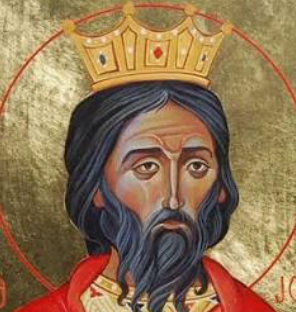
Ezra 1:1–4 - CYRUS NAMED AS ONE WHO RESTORES JERUSALEM
Cyrus named in Isaiah as restorer of the Temple"That saith of Cyrus, He is my shepherd, and shall perform all my pleasure: even saying to Jerusalem, Thou shalt be built; and to the temple, Thy foundation shall be laid."Cyrus of Persia conquered Babylon and permitted displaced peoples, including Judeans, to return and restore their religious life. The biblical account credits his decree with enabling Jerusalem and the Temple to be rebuilt. Claimed fulfillment: Ezra 1:1–4; 2 Chronicles 36:22–23. OT source: Isaiah 44:28–45:1. Critical scholars often date this portion of Isaiah to the Babylonian-exilic period, so this card should not be presented as uncontested evidence of prediction centuries in advance. [Ontology: The Bible > Fulfilled Prophecies > Historical: Cyrus and the Return]
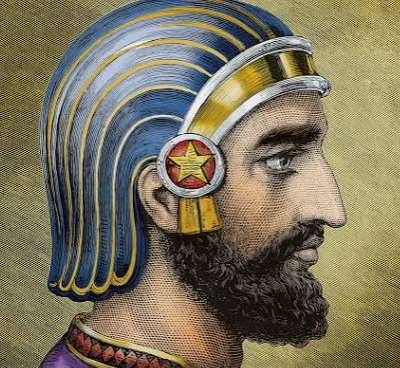
2 Chronicles 36:20–23 - 70 YEARS OF BABYLONIAN DOMINION
Jeremiah, prophet active before and during Jerusalem’s fall"And this whole land shall be a desolation, and an astonishment; and these nations shall serve the king of Babylon seventy years."Jeremiah warns that Judah and neighboring nations would come under Babylonian rule for seventy years. Later biblical writers connect the end of Babylonian rule and the Persian restoration with Jeremiah’s word. Claimed fulfillment: 2 Chronicles 36:20–23; Ezra 1:1; Daniel 9:2. OT source: Jeremiah 25:11–12; Jeremiah 29:10. The exact start and end points of the seventy-year period are interpreted in different ways. [Ontology: The Bible > Fulfilled Prophecies > Historical: Babylonian Exile]
Ezra 1:1–4 - THE PROMISE OF RETURN AFTER EXILE
Jeremiah, prophet active before and during Jerusalem’s fall"After seventy years be accomplished at Babylon I will visit you, and perform my good word toward you, in causing you to return to this place."This prophecy was written to Judean exiles and promises eventual return rather than permanent abandonment. Ezra opens by portraying Cyrus’s decree as the fulfillment of “the word of the LORD by the mouth of Jeremiah.” Claimed fulfillment: Ezra 1:1–4. OT source: Jeremiah 29:10. [Ontology: The Bible > Fulfilled Prophecies > Historical: Return from Exile]
TYRE ATTACKED BY MANY NATIONS
Ezekiel, prophet among the Judean exiles in Babylon"Behold, I am against thee, O Tyrus, and will cause many nations to come up against thee, as the sea causeth his waves to come up."Tyre endured major attacks across centuries, including Nebuchadnezzar’s long siege and Alexander the Great’s famous assault on the island city. Christians and other readers see the city’s repeated devastation as corresponding to Ezekiel’s warning. OT source: Ezekiel 26:3–14. This is not a simple one-event fulfillment claim: the scope, timing, and details of Ezekiel 26 remain significantly debated. [Ontology: The Bible > Fulfilled Prophecies > Historical: Tyre]
THE FALL OF NINEVEH
Nahum, prophet addressing the Assyrian capital"And it shall come to pass, that all they that look upon thee shall flee from thee, and say, Nineveh is laid waste."Nahum announces the downfall of Nineveh, capital of the dominant Assyrian Empire. Nineveh fell in 612 BC to a coalition of Babylonians, Medes, and others. OT source: Nahum 1–3, especially Nahum 3:7. The prophecy’s basic fulfillment is historically clear, though debates remain over Nahum’s exact date and the specificity of individual details. [Ontology: The Bible > Fulfilled Prophecies > Historical: Fall of Nineveh]
[/su_column] [su_column class="col-m"]THE LAND LEFT DESOLATE AFTER COVENANT UNFAITHFULNESS
Zechariah, post-exilic prophet of Judah"I scattered them with a whirlwind among all the nations whom they knew not. Thus the land was desolate after them."Zechariah looks back on the devastation and exile that followed Jerusalem’s fall, interpreting it through Israel’s covenant history. The Babylonian destruction of Judah, exile of elites, and later return are historically rooted events supported by biblical and extrabiblical records. OT context: Zechariah 7:8–14; 2 Kings 25; Jeremiah 39. [Ontology: The Bible > Fulfilled Prophecies > Historical: Judgment and Exile]

DANIEL RECOGNIZES JEREMIAH’S EXILE PROPHECY
Daniel, biblical figure during Babylonian and Persian periods"I Daniel understood by books the number of the years, whereof the word of the LORD came to Jeremiah the prophet, that he would accomplish seventy years in the desolations of Jerusalem."This card shows one biblical writer explicitly treating Jeremiah’s seventy-year prophecy as a definable historical promise connected to Jerusalem’s desolation and restoration. Claimed fulfillment context: Jeremiah 25:11–12; Jeremiah 29:10; Ezra 1:1–4. OT source: Daniel 9:2. [Ontology: The Bible > Fulfilled Prophecies > Historical: Interpreting the Exile]
CYRUS’S DECREE LINKED TO JEREMIAH’S WORD
Ezra, biblical account of return and Temple restoration"Now in the first year of Cyrus king of Persia, that the word of the LORD by the mouth of Jeremiah might be fulfilled, the LORD stirred up the spirit of Cyrus king of Persia."Ezra explicitly frames the Persian return decree as the fulfillment of Jeremiah’s prophecy. The historical setting is supported by Persian policy toward displaced peoples, though the Cyrus Cylinder does not specifically name Judeans or Jerusalem. Claimed fulfillment: Jeremiah 25:11–12; Jeremiah 29:10. OT source: Ezra 1:1–4. [Ontology: The Bible > Fulfilled Prophecies > Historical: Persian Return Decree]
THE LAND’S SABBATH REST AND THE SEVENTY YEARS
Chronicles, historical account of Judah, exile, and restoration"To fulfil the word of the LORD by the mouth of Jeremiah, until the land had enjoyed her sabbaths: for as long as she lay desolate she kept sabbath, to fulfil threescore and ten years."Chronicles explicitly interprets the Babylonian exile as fulfilling Jeremiah’s seventy-year warning. The card is useful because it shows that the Old Testament itself connects prophecy, judgment, exile, and restoration in a coherent historical framework. Claimed fulfillment: Jeremiah 25:11–12; Jeremiah 29:10. OT source: 2 Chronicles 36:20–23. [Ontology: The Bible > Fulfilled Prophecies > Historical: Exile and Restoration]
THE RESTORATION OF DAVID’S FALLEN HOUSE
Amos, eighth-century BC prophet of Israel"In that day will I raise up the tabernacle of David that is fallen, and close up the breaches thereof; and I will raise up his ruins, and I will build it as in the days of old."At the Jerusalem Council, James cites Amos to explain why Gentiles could enter the people of God through the Messiah without first becoming Jews. Christians see the worldwide church under Jesus, David’s heir, as the beginning of this restoration. Claimed fulfillment: Acts 15:13–18. OT source: Amos 9:11–12. [Ontology: The Bible > Fulfilled Prophecies > Historical: Restoration of David’s House]
THE SPIRIT POURED OUT ON ALL FLESH
Joel, prophet in the Hebrew Bible"And it shall come to pass afterward, that I will pour out my spirit upon all flesh; and your sons and your daughters shall prophesy."Peter cites Joel at Pentecost, declaring that the outpouring of the Holy Spirit on Jesus’ followers was the beginning of what Joel described. Claimed fulfillment: Acts 2:14–21. OT source: Joel 2:28–32. The claim is theological and historical: the evidence is the early Christian proclamation and movement, not an archaeological artifact. [Ontology: The Bible > Fulfilled Prophecies > Historical: Outpouring of the Spirit]
THE NATIONS DRAWN TO THE GOD OF ISRAEL
Isaiah, eighth-century BC prophet of Judah"And all nations shall flow unto it."Isaiah envisions the nations coming to learn the ways of Israel’s God. Christians connect this with the spread of the gospel from Jerusalem to the wider world and the inclusion of Gentiles in worship of the God revealed in Scripture. Claimed fulfillment: Luke 24:47; Acts 1:8; Acts 2; Acts 13–28. OT source: Isaiah 2:2–4. [Ontology: The Bible > Fulfilled Prophecies > Historical: Nations Seeking God]
THE EARTH FILLED WITH KNOWLEDGE OF THE LORD
Habakkuk, prophet of Judah"For the earth shall be filled with the knowledge of the glory of the LORD, as the waters cover the sea."This is a broad future hope rather than a single event with a finished historical date. Christians see the worldwide spread of biblical faith and the gospel as a partial fulfillment, while expecting its complete fulfillment in God’s future kingdom. OT source: Habakkuk 2:14. [Ontology: The Bible > Fulfilled Prophecies > Historical: Global Knowledge of God]

Luke 22:20 - THE PROMISED NEW COVENANT
Jeremiah, prophet before and during Jerusalem’s fall"Behold, the days come, saith the LORD, that I will make a new covenant with the house of Israel, and with the house of Judah."At the Last Supper, Jesus describes His blood as inaugurating the “new covenant,” and Hebrews develops Jeremiah 31 as foundational for understanding Christ’s priesthood and sacrifice. Claimed fulfillment: Luke 22:20; 1 Corinthians 11:25; Hebrews 8:6–13. OT source: Jeremiah 31:31–34. [Ontology: The Bible > Fulfilled Prophecies > Messiah: New Covenant]
[/su_column][/su_row]Matthew 26:28 - FORGIVENESS OF SIN UNDER THE NEW COVENANT
Jeremiah, prophet before and during Jerusalem’s fall"For I will forgive their iniquity, and I will remember their sin no more."Christians see this promised forgiveness as fulfilled through Jesus’ sacrificial death and the new covenant proclaimed in the Gospel. Claimed fulfillment: Matthew 26:28; Acts 10:43; Hebrews 10:14–18. OT source: Jeremiah 31:34. [Ontology: The Bible > Fulfilled Prophecies > Messiah: Forgiveness of Sins]