Matthew 1:1–3 – RULER FROM TRIBE OF JUDAH
Genesis, foundational book of the Hebrew Bible“The sceptre shall not depart from Judah, nor a lawgiver from between his feet, until Shiloh come; and unto him shall the gathering of the people be.”Jewish and Christian interpreters have long connected this verse with royal rule emerging from Judah. Christians identify Jesus as the Davidic king from Judah. Claimed fulfillment: Matthew 1:1–3; Luke 3:23–34; Hebrews 7:14; Revelation 5:5. OT source: Genesis 49:10. The precise meaning of “Shiloh” is debated among scholars. [Ontology: The Bible > Fulfilled Prophecies > Messiah: Tribe of Judah]

Luke 1:32–33 – DAVID’S EVERLASTING ROYAL LINE
Nathan, prophet in the court of King David“I will set up thy seed after thee, which shall proceed out of thy bowels, and I will establish his kingdom. He shall build an house for my name, and I will stablish the throne of his kingdom for ever.”This is the Davidic covenant: God promises David an enduring royal house. Its immediate setting includes Solomon, but Christians believe its ultimate horizon is the everlasting reign of Christ, identified in the New Testament as David’s descendant. Claimed fulfillment: Luke 1:32–33; Acts 13:22–23; Romans 1:3. OT source: 2 Samuel 7:12–13. [Ontology: The Bible > Fulfilled Prophecies > Messiah: Davidic King]
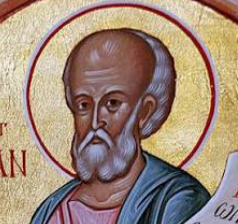
Luke 1:32–33 – THE CHILD WILL REIGN FOREVER
Isaiah, eighth-century BC prophet of Judah“For unto us a child is born, unto us a son is given: and the government shall be upon his shoulder: and his name shall be called Wonderful, Counsellor, The mighty God, The everlasting Father, The Prince of Peace.”Isaiah describes a coming Davidic ruler whose reign brings justice, peace, and enduring government. Christians identify Jesus as this promised king. Claimed fulfillment: Luke 1:32–33; John 1:1–14; Revelation 11:15. OT source: Isaiah 9:6–7. [Ontology: The Bible > Fulfilled Prophecies > Messiah: Divine Davidic King]

Go to the Fulfilled Prophecies page for moreMatthew 3:16–17 – THE SERVANT & JUSTICE TO NATIONS
Isaiah, eighth-century BC prophet of Judah“Behold my servant, whom I uphold; mine elect, in whom my soul delighteth; I have put my spirit upon him: he shall bring forth judgment to the Gentiles.”Matthew applies this Servant passage to Jesus’ healing ministry and His gentle public mission. Christians also connect the Spirit descending at Jesus’ baptism to this language. Claimed fulfillment: Matthew 3:16–17; Matthew 12:15–21. OT source: Isaiah 42:1–4. [Ontology: The Bible > Fulfilled Prophecies > Messiah: Servant to the Nations]
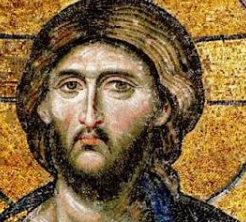
Romans 16:20 – PROMISED SEED & THE SERPENT
Genesis, foundational book of the Hebrew Bible“And I will put enmity between thee and the woman, and between thy seed and her seed; it shall bruise thy head, and thou shalt bruise his heel.”Christians have historically understood this as the Bible’s first promise of a coming deliverer: wounded in conflict, yet ultimately victorious over evil. The New Testament identifies Christ’s work with the defeat of Satan and death. Claimed fulfillment: Romans 16:20; Hebrews 2:14–15; 1 John 3:8. OT source: Genesis 3:15. This is a theological and typological interpretation rather than a named predictive prophecy. [Ontology: The Bible > Fulfilled Prophecies > Messiah: Victory Over Evil]

Galatians 3:8 – ALL NATIONS SHALL BE BLESSED BY ABRAHAM’S SEED
Genesis, foundational book of the Hebrew Bible“And in thee shall all families of the earth be blessed.”God’s promise to Abraham reaches beyond one family or nation to “all families of the earth.” Christians see Jesus, a descendant of Abraham, and the global spread of the Christian message as the central fulfillment. Claimed fulfillment: Galatians 3:8, 16; Acts 3:25–26. OT source: Genesis 12:3. [Ontology: The Bible > Fulfilled Prophecies > Messiah: Blessing for the Nations]
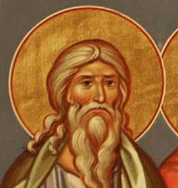
Matthew 1:1–3 – RULER FROM TRIBE OF JUDAH
Genesis, foundational book of the Hebrew Bible“The sceptre shall not depart from Judah, nor a lawgiver from between his feet, until Shiloh come; and unto him shall the gathering of the people be.”Jewish and Christian interpreters have long connected this verse with royal rule emerging from Judah. Christians identify Jesus as the Davidic king from Judah. Claimed fulfillment: Matthew 1:1–3; Luke 3:23–34; Hebrews 7:14; Revelation 5:5. OT source: Genesis 49:10. The precise meaning of “Shiloh” is debated among scholars. [Ontology: The Bible > Fulfilled Prophecies > Messiah: Tribe of Judah]
Acts 3:22–23 – A PROPHET LIKE MOSES
Moses, lawgiver and central figure of the Pentateuch“The LORD thy God will raise up unto thee a Prophet from the midst of thee, of thy brethren, like unto me; unto him ye shall hearken.”The New Testament applies this promised prophet to Jesus, portraying Him as a new Moses who teaches with authority, delivers God’s word, and mediates a covenant. Claimed fulfillment: Acts 3:22–23; Acts 7:37. OT source: Deuteronomy 18:15. Jewish interpretation has also applied this passage more broadly to Israel’s prophetic office. [Ontology: The Bible > Fulfilled Prophecies > Messiah: Prophet Like Moses]
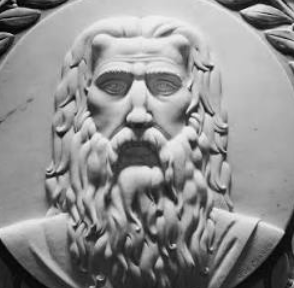
Luke 1:32–33 – DAVID’S EVERLASTING ROYAL LINE
Nathan, prophet in the court of King David“I will set up thy seed after thee, which shall proceed out of thy bowels, and I will establish his kingdom. He shall build an house for my name, and I will stablish the throne of his kingdom for ever.”This is the Davidic covenant: God promises David an enduring royal house. Its immediate setting includes Solomon, but Christians believe its ultimate horizon is the everlasting reign of Christ, identified in the New Testament as David’s descendant. Claimed fulfillment: Luke 1:32–33; Acts 13:22–23; Romans 1:3. OT source: 2 Samuel 7:12–13. [Ontology: The Bible > Fulfilled Prophecies > Messiah: Davidic King]
Matthew 3:17 – GOD’S ANOINTED SON AND KING
David, king of Israel and traditional psalmist“I will declare the decree: the LORD hath said unto me, Thou art my Son; this day have I begotten thee.”Psalm 2 originally concerns God’s anointed king, while the New Testament repeatedly applies its royal-sonship language to Jesus. Claimed fulfillment: Matthew 3:17; Acts 13:33; Hebrews 1:5; Hebrews 5:5. OT source: Psalm 2:7. [Ontology: The Bible > Fulfilled Prophecies > Messiah: Divine Sonship and Kingship]

Acts 2:25-32 – David Was Buried
David, king of Israel and traditional psalmist“For thou wilt not leave my soul in hell; neither wilt thou suffer thine Holy One to see corruption.”Peter and Paul argue that David died and was buried, so the psalm’s fullest fulfillment pointed beyond David to the resurrection of Jesus. Claimed fulfillment: Acts 2:25–32; Acts 13:35–37. OT source: Psalm 16:10. This is one of the New Testament’s direct apostolic arguments from Old Testament text to resurrection. [Ontology: The Bible > Fulfilled Prophecies > Messiah: Resurrection]

John 13:18–21 – BETRAYED BY A TRUSTED COMPANION
David, king of Israel and traditional psalmist“Yea, mine own familiar friend, in whom I trusted, which did eat of my bread, hath lifted up his heel against me.”Jesus cites this psalm in the setting of Judas’s betrayal after sharing a meal with His disciples. Claimed fulfillment: John 13:18–21. OT source: Psalm 41:9. The original psalm speaks from David’s experience, while Christians understand Jesus’ use as a deeper pattern fulfilled in His betrayal. [Ontology: The Bible > Fulfilled Prophecies > Messiah: Betrayal]

Matthew 27:34 – VINEGAR & THE SUFFERING SERVANT
David, king of Israel and traditional psalmist“They gave me also gall for my meat; and in my thirst they gave me vinegar to drink.”The Gospel passion narratives describe sour wine or vinegar being offered to Jesus during His crucifixion. Claimed fulfillment: Matthew 27:34, 48; John 19:28–30. OT source: Psalm 69:21. The original psalm is a lament, and Christians read the crucifixion account as its climactic fulfillment. [Ontology: The Bible > Fulfilled Prophecies > Messiah: Suffering and Rejection]
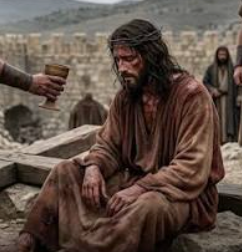
Luke 1:32–33 – THE CHILD WILL REIGN FOREVER
Isaiah, eighth-century BC prophet of Judah“For unto us a child is born, unto us a son is given: and the government shall be upon his shoulder: and his name shall be called Wonderful, Counsellor, The mighty God, The everlasting Father, The Prince of Peace.”Isaiah describes a coming Davidic ruler whose reign brings justice, peace, and enduring government. Christians identify Jesus as this promised king. Claimed fulfillment: Luke 1:32–33; John 1:1–14; Revelation 11:15. OT source: Isaiah 9:6–7. [Ontology: The Bible > Fulfilled Prophecies > Messiah: Divine Davidic King]
Matthew 1:5–6 – A KING FROM THE ROOT OF JESSE
Isaiah, eighth-century BC prophet of Judah“And there shall come forth a rod out of the stem of Jesse, and a Branch shall grow out of his roots.”Jesse was the father of David. The “Branch” image became a major biblical expectation of a renewed Davidic ruler, and the New Testament presents Jesus as the descendant of David and Jesse. Claimed fulfillment: Matthew 1:5–6; Luke 3:31–32; Romans 15:12; Revelation 22:16. OT source: Isaiah 11:1. [Ontology: The Bible > Fulfilled Prophecies > Messiah: Line of Jesse and David]

Matthew 3:1–3 – A VOICE PREPARING THE WAY OF THE LORD
Isaiah, eighth-century BC prophet of Judah“The voice of him that crieth in the wilderness, Prepare ye the way of the LORD, make straight in the desert a highway for our God.”All four Gospels connect this prophecy to John the Baptist’s wilderness ministry preparing the way for Jesus. Claimed fulfillment: Matthew 3:1–3; Mark 1:2–4; Luke 3:4–6; John 1:23. OT source: Isaiah 40:3. [Ontology: The Bible > Fulfilled Prophecies > Messiah: Forerunner]
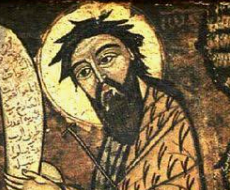
Matthew 3:16–17 – THE SERVANT & JUSTICE TO NATIONS
Isaiah, eighth-century BC prophet of Judah“Behold my servant, whom I uphold; mine elect, in whom my soul delighteth; I have put my spirit upon him: he shall bring forth judgment to the Gentiles.”Matthew applies this Servant passage to Jesus’ healing ministry and His gentle public mission. Christians also connect the Spirit descending at Jesus’ baptism to this language. Claimed fulfillment: Matthew 3:16–17; Matthew 12:15–21. OT source: Isaiah 42:1–4. [Ontology: The Bible > Fulfilled Prophecies > Messiah: Servant to the Nations]
Luke 2:29–32 – SALVATION unTO THE END OF THE EARTH
Isaiah, eighth-century BC prophet of Judah“I will also give thee for a light to the Gentiles, that thou mayest be my salvation unto the end of the earth.”The early Christian mission repeatedly cites Isaiah’s vision of God’s salvation reaching the nations. Jesus is presented as the light for Jews and Gentiles, and the Christian movement became global despite beginning as a small Jewish movement. Claimed fulfillment: Luke 2:29–32; Acts 13:46–47. OT source: Isaiah 49:6. [Ontology: The Bible > Fulfilled Prophecies > Messiah: Light to the Gentiles]
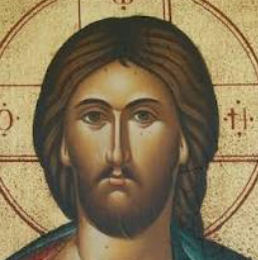
Philippians 2:5–11 – THE SERVANT EXALTED
Isaiah, eighth-century BC prophet of Judah“Behold, my servant shall deal prudently, he shall be exalted and extolled, and be very high.”Isaiah 52:13–53:12 moves from a servant’s suffering and rejection to His eventual exaltation. Christians see this overall movement as corresponding to Jesus’ crucifixion, resurrection, and exaltation. Claimed fulfillment: Philippians 2:5–11; Acts 8:32–35. OT source: Isaiah 52:13–53:12. [Ontology: The Bible > Fulfilled Prophecies > Messiah: Suffering Then Exaltation]
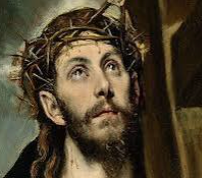
Mark 8:31 – DESPISED AND REJECTED BY MEN
Isaiah, eighth-century BC prophet of Judah“He is despised and rejected of men; a man of sorrows, and acquainted with grief.”Christians see the rejection of Jesus by many religious and political leaders, His suffering, and His abandonment by followers as corresponding to Isaiah’s suffering Servant. Claimed fulfillment: Mark 8:31; Luke 17:25; John 1:10–11. OT source: Isaiah 53:3. The Servant’s identity is disputed in Jewish and academic interpretation; Christians identify the Servant ultimately with Jesus. [Ontology: The Bible > Fulfilled Prophecies > Messiah: Rejected Servant]
Romans 4:25 – WOUNDED FOR THE SINS OF OTHERS
Isaiah, eighth-century BC prophet of Judah“But he was wounded for our transgressions, he was bruised for our iniquities: the chastisement of our peace was upon him; and with his stripes we are healed.”This is among Christianity’s central texts for understanding Jesus’ death as sacrificial and substitutionary. The New Testament repeatedly presents Christ as suffering for sins and bearing them on behalf of others. Claimed fulfillment: Romans 4:25; 1 Corinthians 15:3; 1 Peter 2:24. OT source: Isaiah 53:5. [Ontology: The Bible > Fulfilled Prophecies > Messiah: Atoning Suffering]

Matthew 26:62–63 – THE SILENT LAMB LED TO SLAUGHTER
Isaiah, eighth-century BC prophet of Judah“He was oppressed, and he was afflicted, yet he opened not his mouth: he is brought as a lamb to the slaughter.”The Gospel accounts describe Jesus responding with striking restraint before major accusations, while the New Testament repeatedly identifies Him with sacrificial-lamb imagery. Claimed fulfillment: Matthew 26:62–63; Matthew 27:12–14; John 1:29; Acts 8:32–35. OT source: Isaiah 53:7. [Ontology: The Bible > Fulfilled Prophecies > Messiah: Silent Suffering]

Matthew 27:57–60 – WITH THE RICH IN HIS DEATH
Isaiah, eighth-century BC prophet of Judah“And he made his grave with the wicked, and with the rich in his death; because he had done no violence, neither was any deceit in his mouth.”Jesus was executed alongside criminals but buried in the tomb of Joseph of Arimathea, a wealthy council member. Christians see that unusual burial combination as matching Isaiah’s wording. Claimed fulfillment: Matthew 27:57–60; John 19:38–42. OT source: Isaiah 53:9. [Ontology: The Bible > Fulfilled Prophecies > Messiah: Burial]
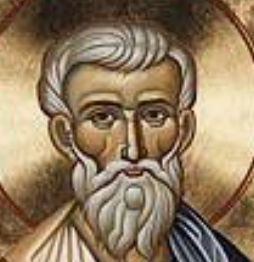
Matthew 26:31 – THE SHEPHERD STRUCK AND THE SHEEP SCATTERED
Zechariah, post-exilic prophet of Judah“Awake, O sword, against my shepherd, and against the man that is my fellow, saith the LORD of hosts: smite the shepherd, and the sheep shall be scattered.”Jesus Himself cites this verse on the night of His arrest, predicting that His disciples would flee. Claimed fulfillment: Matthew 26:31, 56; Mark 14:27, 50. OT source: Zechariah 13:7. [Ontology: The Bible > Fulfilled Prophecies > Messiah: Abandonment by Disciples]
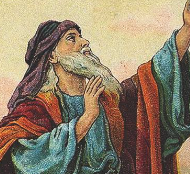
Matthew 11:10 – THE MESSENGER WHO PREPARES THE WAY
Malachi, post-exilic prophet of Judah“Behold, I will send my messenger, and he shall prepare the way before me: and the Lord, whom ye seek, shall suddenly come to his temple.”The Gospels identify John the Baptist as the messenger preparing the way for Jesus. Jesus’ ministry also included public activity and teaching at the Jerusalem Temple. Claimed fulfillment: Matthew 11:10; Mark 1:2–4; Luke 7:27. OT source: Malachi 3:1. [Ontology: The Bible > Fulfilled Prophecies > Messiah: Preparing Messenger]
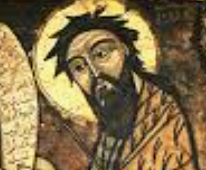
Matthew 11:13–14 – ELIJAH BEFORE THE DAY OF THE LORD
Malachi, post-exilic prophet of Judah“Behold, I will send you Elijah the prophet before the coming of the great and dreadful day of the LORD.”Jesus identifies John the Baptist as the promised Elijah-like forerunner—not Elijah reincarnated, but the prophetic figure who came “in the spirit and power of Elias.” Claimed fulfillment: Matthew 11:13–14; Matthew 17:10–13; Luke 1:16–17. OT source: Malachi 4:5–6. [Ontology: The Bible > Fulfilled Prophecies > Messiah: Elijah-Like Forerunner]
1 / 6
The Bible
Fulfilled Prophecies
- These fulfillment titles include first the location in the New Testament of prophecies fulfilled by the original passage in the Old Testament. [su_row][su_column class="col-n"] [/su_column] [su_column class="col-m"] [/su_column][/su_row]Historical Prophecies: Israel, Judah & the Nations
Note: The titles include the fulfilled prophecy (in the New Testament) predicted in the Old Testament [su_row][su_column class="col-n"]2 Kings 23:15–20 - JOSIAH NAMED BEFORE HIS REFORMS
The man of God from Judah, prophetic figure in 1 Kings"O altar, altar, thus saith the LORD; Behold, a child shall be born unto the house of David, Josiah by name."The narrative later presents King Josiah as carrying out the stated judgment against the altar at Bethel. Claimed fulfillment: 2 Kings 23:15–20. OT prophecy source: 1 Kings 13:1–2. The evidential force depends on one’s view of the dating and composition of Kings; the text itself presents this as a named long-range prediction. [Ontology: The Bible > Fulfilled Prophecies > Historical: Josiah and Bethel]
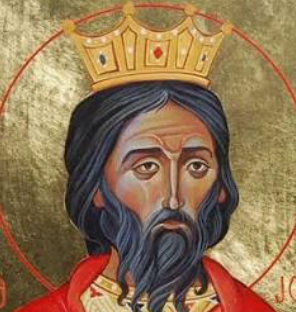
Ezra 1:1–4 - CYRUS NAMED AS ONE WHO RESTORES JERUSALEM
Cyrus named in Isaiah as restorer of the Temple"That saith of Cyrus, He is my shepherd, and shall perform all my pleasure: even saying to Jerusalem, Thou shalt be built; and to the temple, Thy foundation shall be laid."Cyrus of Persia conquered Babylon and permitted displaced peoples, including Judeans, to return and restore their religious life. The biblical account credits his decree with enabling Jerusalem and the Temple to be rebuilt. Claimed fulfillment: Ezra 1:1–4; 2 Chronicles 36:22–23. OT source: Isaiah 44:28–45:1. Critical scholars often date this portion of Isaiah to the Babylonian-exilic period, so this card should not be presented as uncontested evidence of prediction centuries in advance. [Ontology: The Bible > Fulfilled Prophecies > Historical: Cyrus and the Return]
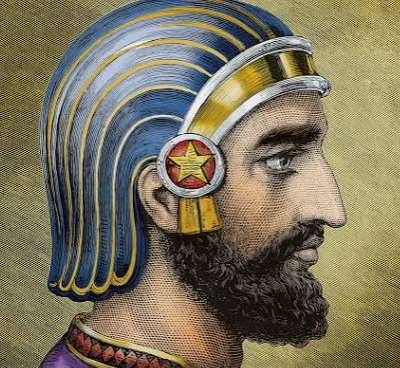
2 Chronicles 36:20–23 - 70 YEARS OF BABYLONIAN DOMINION
Jeremiah, prophet active before and during Jerusalem’s fall"And this whole land shall be a desolation, and an astonishment; and these nations shall serve the king of Babylon seventy years."Jeremiah warns that Judah and neighboring nations would come under Babylonian rule for seventy years. Later biblical writers connect the end of Babylonian rule and the Persian restoration with Jeremiah’s word. Claimed fulfillment: 2 Chronicles 36:20–23; Ezra 1:1; Daniel 9:2. OT source: Jeremiah 25:11–12; Jeremiah 29:10. The exact start and end points of the seventy-year period are interpreted in different ways. [Ontology: The Bible > Fulfilled Prophecies > Historical: Babylonian Exile]
Ezra 1:1–4 - THE PROMISE OF RETURN AFTER EXILE
Jeremiah, prophet active before and during Jerusalem’s fall"After seventy years be accomplished at Babylon I will visit you, and perform my good word toward you, in causing you to return to this place."This prophecy was written to Judean exiles and promises eventual return rather than permanent abandonment. Ezra opens by portraying Cyrus’s decree as the fulfillment of “the word of the LORD by the mouth of Jeremiah.” Claimed fulfillment: Ezra 1:1–4. OT source: Jeremiah 29:10. [Ontology: The Bible > Fulfilled Prophecies > Historical: Return from Exile]

TYRE ATTACKED BY MANY NATIONS
Ezekiel, prophet among the Judean exiles in Babylon"Behold, I am against thee, O Tyrus, and will cause many nations to come up against thee, as the sea causeth his waves to come up."Tyre endured major attacks across centuries, including Nebuchadnezzar’s long siege and Alexander the Great’s famous assault on the island city. Christians and other readers see the city’s repeated devastation as corresponding to Ezekiel’s warning. OT source: Ezekiel 26:3–14. This is not a simple one-event fulfillment claim: the scope, timing, and details of Ezekiel 26 remain significantly debated. [Ontology: The Bible > Fulfilled Prophecies > Historical: Tyre]
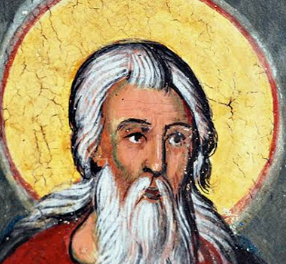
THE FALL OF NINEVEH
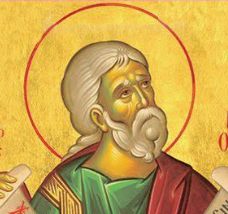
Nahum, prophet addressing the Assyrian capital"And it shall come to pass, that all they that look upon thee shall flee from thee, and say, Nineveh is laid waste."Nahum announces the downfall of Nineveh, capital of the dominant Assyrian Empire. Nineveh fell in 612 BC to a coalition of Babylonians, Medes, and others. OT source: Nahum 1–3, especially Nahum 3:7. The prophecy’s basic fulfillment is historically clear, though debates remain over Nahum’s exact date and the specificity of individual details. [Ontology: The Bible > Fulfilled Prophecies > Historical: Fall of Nineveh]
[/su_column] [su_column class="col-m"]THE LAND LEFT DESOLATE AFTER COVENANT UNFAITHFULNESS
Zechariah, post-exilic prophet of Judah"I scattered them with a whirlwind among all the nations whom they knew not. Thus the land was desolate after them."Zechariah looks back on the devastation and exile that followed Jerusalem’s fall, interpreting it through Israel’s covenant history. The Babylonian destruction of Judah, exile of elites, and later return are historically rooted events supported by biblical and extrabiblical records. OT context: Zechariah 7:8–14; 2 Kings 25; Jeremiah 39. [Ontology: The Bible > Fulfilled Prophecies > Historical: Judgment and Exile]

DANIEL RECOGNIZES JEREMIAH’S EXILE PROPHECY
Daniel, biblical figure during Babylonian and Persian periods"I Daniel understood by books the number of the years, whereof the word of the LORD came to Jeremiah the prophet, that he would accomplish seventy years in the desolations of Jerusalem."This card shows one biblical writer explicitly treating Jeremiah’s seventy-year prophecy as a definable historical promise connected to Jerusalem’s desolation and restoration. Claimed fulfillment context: Jeremiah 25:11–12; Jeremiah 29:10; Ezra 1:1–4. OT source: Daniel 9:2. [Ontology: The Bible > Fulfilled Prophecies > Historical: Interpreting the Exile]
CYRUS’S DECREE LINKED TO JEREMIAH’S WORD
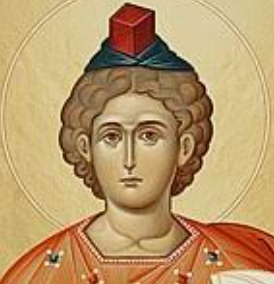
Ezra, biblical account of return and Temple restoration"Now in the first year of Cyrus king of Persia, that the word of the LORD by the mouth of Jeremiah might be fulfilled, the LORD stirred up the spirit of Cyrus king of Persia."Ezra explicitly frames the Persian return decree as the fulfillment of Jeremiah’s prophecy. The historical setting is supported by Persian policy toward displaced peoples, though the Cyrus Cylinder does not specifically name Judeans or Jerusalem. Claimed fulfillment: Jeremiah 25:11–12; Jeremiah 29:10. OT source: Ezra 1:1–4. [Ontology: The Bible > Fulfilled Prophecies > Historical: Persian Return Decree]
THE LAND’S SABBATH REST AND THE SEVENTY YEARS
Chronicles, historical account of Judah, exile, and restoration"To fulfil the word of the LORD by the mouth of Jeremiah, until the land had enjoyed her sabbaths: for as long as she lay desolate she kept sabbath, to fulfil threescore and ten years."Chronicles explicitly interprets the Babylonian exile as fulfilling Jeremiah’s seventy-year warning. The card is useful because it shows that the Old Testament itself connects prophecy, judgment, exile, and restoration in a coherent historical framework. Claimed fulfillment: Jeremiah 25:11–12; Jeremiah 29:10. OT source: 2 Chronicles 36:20–23. [Ontology: The Bible > Fulfilled Prophecies > Historical: Exile and Restoration]

THE RESTORATION OF DAVID’S FALLEN HOUSE
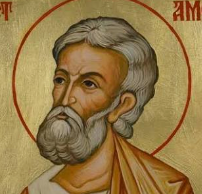
Amos, eighth-century BC prophet of Israel"In that day will I raise up the tabernacle of David that is fallen, and close up the breaches thereof; and I will raise up his ruins, and I will build it as in the days of old."At the Jerusalem Council, James cites Amos to explain why Gentiles could enter the people of God through the Messiah without first becoming Jews. Christians see the worldwide church under Jesus, David’s heir, as the beginning of this restoration. Claimed fulfillment: Acts 15:13–18. OT source: Amos 9:11–12. [Ontology: The Bible > Fulfilled Prophecies > Historical: Restoration of David’s House]
THE SPIRIT POURED OUT ON ALL FLESH
Joel, prophet in the Hebrew Bible"And it shall come to pass afterward, that I will pour out my spirit upon all flesh; and your sons and your daughters shall prophesy."Peter cites Joel at Pentecost, declaring that the outpouring of the Holy Spirit on Jesus’ followers was the beginning of what Joel described. Claimed fulfillment: Acts 2:14–21. OT source: Joel 2:28–32. The claim is theological and historical: the evidence is the early Christian proclamation and movement, not an archaeological artifact. [Ontology: The Bible > Fulfilled Prophecies > Historical: Outpouring of the Spirit]
THE NATIONS DRAWN TO THE GOD OF ISRAEL
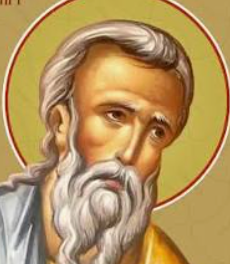
Isaiah, eighth-century BC prophet of Judah"And all nations shall flow unto it."Isaiah envisions the nations coming to learn the ways of Israel’s God. Christians connect this with the spread of the gospel from Jerusalem to the wider world and the inclusion of Gentiles in worship of the God revealed in Scripture. Claimed fulfillment: Luke 24:47; Acts 1:8; Acts 2; Acts 13–28. OT source: Isaiah 2:2–4. [Ontology: The Bible > Fulfilled Prophecies > Historical: Nations Seeking God]
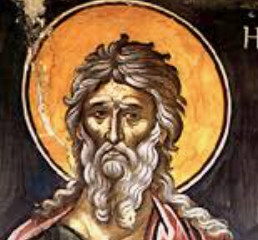
THE EARTH FILLED WITH KNOWLEDGE OF THE LORD
Habakkuk, prophet of Judah"For the earth shall be filled with the knowledge of the glory of the LORD, as the waters cover the sea."This is a broad future hope rather than a single event with a finished historical date. Christians see the worldwide spread of biblical faith and the gospel as a partial fulfillment, while expecting its complete fulfillment in God’s future kingdom. OT source: Habakkuk 2:14. [Ontology: The Bible > Fulfilled Prophecies > Historical: Global Knowledge of God]

Luke 22:20 - THE PROMISED NEW COVENANT
Jeremiah, prophet before and during Jerusalem’s fall"Behold, the days come, saith the LORD, that I will make a new covenant with the house of Israel, and with the house of Judah."At the Last Supper, Jesus describes His blood as inaugurating the “new covenant,” and Hebrews develops Jeremiah 31 as foundational for understanding Christ’s priesthood and sacrifice. Claimed fulfillment: Luke 22:20; 1 Corinthians 11:25; Hebrews 8:6–13. OT source: Jeremiah 31:31–34. [Ontology: The Bible > Fulfilled Prophecies > Messiah: New Covenant]
[/su_column][/su_row]Matthew 26:28 - FORGIVENESS OF SIN UNDER THE NEW COVENANT
Jeremiah, prophet before and during Jerusalem’s fall"For I will forgive their iniquity, and I will remember their sin no more."Christians see this promised forgiveness as fulfilled through Jesus’ sacrificial death and the new covenant proclaimed in the Gospel. Claimed fulfillment: Matthew 26:28; Acts 10:43; Hebrews 10:14–18. OT source: Jeremiah 31:34. [Ontology: The Bible > Fulfilled Prophecies > Messiah: Forgiveness of Sins]
| - Prophecy & Typology | prophecies fulfilled in precise detail; Old and New Testament; | - Prophecies Fulfilled |
| - Biblical Archaeology | Artifacts, inscriptions, archaeological corroboration (cities, rulers, events, people - customs like Pilate's Stone and the Pool of Bethesda) support historical claims | - Prophecy & Typology |
| - Manuscript Reliability | Dead Sea Scrolls - Old Testament texts unchanged over 1,000 years; ancient and separate manuscripts prove text reliablity (and canonical development) | - Prophecy & Typology |
| - Canonical Development | Dead Sea Scrolls complete the canoncial development? | - Fold under Manuscripts? |
| - Historicity of Jesus | The Gospels | - New Testament (?) |
| - Creation Theory | Creation v Evolution; Intelligent Design (cross-over to Science); Fine-Tuning | - Prophecy & Typology |
| - Counter Arguments | - Prophecy & Typology |