The Resurrection of Jesus
What evidence supports the claim that Jesus rose from the dead? This guide examines the earliest accounts; Jesus’s death and burial; the empty-tomb and appearance traditions; Paul, James, and the disciples; early Christian worship; manuscripts; archaeological context; and competing explanations.
Each section distinguishes what a source reports from what historians infer. Evidence for early resurrection belief is not automatically evidence that a resurrection occurred; equally, the historical significance of that belief deserves careful investigation. Supportive arguments, uncertainties, and credible criticisms are considered before the evidence is weighed together.
Earliest Resurrection Accounts
Paul’s letters and the tradition in 1 Corinthians 15; Matthew, Mark, Luke, and John; resurrection preaching in Acts; when the accounts were written, what they report, and how their sources, agreements, and differences affect their historical value.
Death & Burial
Execution under Pontius Pilate; Tacitus and Josephus; the Gospel reports of death and removal from the cross; Joseph of Arimathea and the burial traditions; a concise foundation linked to the dedicated Crucifixion, Roman Law, Medical, and Jewish Burial collections.
The Empty Tomb
Mary Magdalene and the women; the reported discovery of an empty tomb; Jerusalem proclamation; Matthew’s stolen-body counterclaim; arguments concerning the burial location, women witnesses, and the missing body; the strengths and limits of the historical case.
Resurrection Appearances
Peter, the Twelve, James, Paul, Mary Magdalene, the Emmaus travelers, Thomas, and other reported witnesses; the five hundred mentioned by Paul; individual and group experiences; the relationship between visionary language, recognition, wounds, meals, and bodily resurrection.
Paul, James & the Disciples
Paul’s change from persecutor to apostle; James’s emergence as a Jerusalem leader; Peter and the disciples’ proclamation; suffering and martyrdom traditions; what these developments suggest about conviction, experience, and sincerity—and what they cannot establish alone.
The Early Christian Movement
Jerusalem preaching and expanding communities; baptism, the Lord’s Supper, creeds, hymns, and Sunday gatherings; Clement, Ignatius, Tacitus, Pliny, and Trajan; evidence for early resurrection-centered belief, worship, and Roman responses.
Manuscripts & Textual Evidence
Papyrus 46, P52, Papyrus 66 and 75, Codex Vaticanus, and Codex Sinaiticus; the endings of Mark; resurrection-related textual variants; early quotations and translations; how surviving witnesses help reconstruct the wording of the ancient sources.
Artifacts & Archaeology
The Church of the Holy Sepulchre and proposed tomb locations; Jerusalem burial archaeology; the Shroud of Turin and Sudarium of Oviedo; disputed connections involving the Nazareth Inscription; the distinction between historical setting, claimed relics, and evidence of resurrection.
Prophecy & Jewish Expectations
Psalm 16, Psalm 110, Daniel 12, Hosea 6, Jonah, and other texts interpreted in relation to resurrection; Second Temple Jewish expectations; resurrection, vindication, and exaltation; how early Christians understood Jesus through Israel’s Scriptures.
Modern Investigations & Conversions
Frank Morison, Lee Strobel, J. Warner Wallace, C. S. Lewis, Nabeel Qureshi, Chuck Colson, Rosalind Picard, and other investigators or converts; the arguments they found persuasive, the methods they used, and the difference between personal testimony and ancient evidence.
Critical & Alternative Theories
Visionary experiences, grief, memory, source dependence, narrative development, burial uncertainty, and the interpretation of Paul; philosophical questions about miracles and historical explanation; historically influential alternatives assessed according to their evidence and scholarly standing.
The Cumulative Case
The earliest testimony, death and burial, empty-tomb tradition, reported appearances, Paul and James, early proclamation, textual evidence, and archaeological context weighed together; agreement and disagreement among scholars; the explanatory strengths and limitations of competing conclusions.
Earliest Resurrection Accounts
This section examines dates, literary forms, authorship questions, possible source relationships, and the difference between firsthand statements and received traditions. Agreement does not automatically establish independence; differences do not automatically establish either contradiction or independent testimony. Both require examination in context.
The focus here is the evidence supplied by each document. The particular appearance experiences and the empty-tomb arguments receive their fuller treatment in the sections devoted to those subjects.
Sources & Early Traditions
The 1 Corinthians 15 Tradition; What Paul “Received”; Dating Paul’s Resurrection Testimony; Galatians and Paul’s Jerusalem Contacts; Resurrection in 1 Thessalonians; Mark’s Resurrection Account; Matthew’s Resurrection Account; Luke’s Resurrection Account; John’s Resurrection Account; Resurrection Preaching in Acts.Comparing the Accounts
What the Accounts Share; Where the Accounts Differ; Paul and the Gospel Narratives; Shared Sources and Literary Dependence; How Independent Are the Accounts?; Oral Tradition and Written Sources; Dating the Gospels and Acts; Undesigned Coincidences: Argument and Limits.Death & Burial
This section offers a concise historical foundation rather than a second collection of Roman execution law, medical reconstructions, or Jewish burial practices. Those subjects belong primarily in the dedicated Crucifixion & Burial collections. Their relevance here is to establish which circumstances a proposed explanation of the resurrection accounts must address.
The evidence for crucifixion, the Gospel descriptions of death, and the account of Joseph of Arimathea should not be treated as equally certain in every detail. The distinction matters when evaluating burial uncertainty and survival proposals.
Foundation Cards
Jesus’s Death under Pilate; What Tacitus and Josephus Establish; The Gospel Reports of Death; Joseph of Arimathea: Sources and Questions; What Is Known about Jesus’s Burial; Was the Burial Location Known?Related Evidence in the Crucifixion Collections
Roman Verification and Body Release; Medical Evidence and Its Limits; Jewish Burial before Sunset; Burial of Executed Persons; Rock-Cut Tombs and Burial Practices.The Empty Tomb
The Gospel accounts identify women among the first visitors and describe the absence of Jesus’s body. Their lists of visitors, sequences, and details differ. Arguments based on these accounts include the role of women witnesses, continuity with the burial narrative, and the setting of proclamation in Jerusalem.
Matthew’s report that the disciples were accused of stealing the body is relevant to the history of the controversy. It remains a counterclaim preserved in a Christian narrative, however, rather than an independently surviving statement from Jesus’s opponents.
The Discovery Accounts
The Women at the Tomb; Mary Magdalene’s Role; Comparing the Four Accounts; Burial and Discovery: Narrative Continuity; The Missing Body; What Paul Does—and Does Not—Say about the Tomb.Historical Arguments & Questions
Women Witnesses: Significance and Limits; Jerusalem Proclamation and the Tomb; Matthew’s Stolen-Body Counterclaim; Does the Counterclaim Establish an Empty Tomb?; Was the Tomb Identifiable?; The Case for the Empty Tomb; Critical Assessments of the Empty Tomb.Resurrection Appearances
These sources differ in proximity to the reported experiences and in the detail they supply. Paul describes his own experience but transmits reports concerning others. The Gospel narratives include recognition, speech, wounds, touch, meals, and other elements whose historical and theological significance must be assessed.
The central distinction is between evidence that people reported or believed they experienced an appearance and the further judgment about what caused those experiences.
Named Witnesses & Encounters
Peter’s Reported Appearance; The Twelve and the Apostles; The Five Hundred: Claim and Limits; James’s Reported Appearance; Paul’s Own Testimony; Mary Magdalene’s Encounter; The Women in Matthew; The Road to Emmaus; Thomas and the Wounds; The Jerusalem Gatherings; The Galilean Appearances.Comparing the Experiences
Individual and Group Reports; Recognition and Nonrecognition; Touch, Wounds, and Meals; Paul’s Experience and the Gospel Encounters; What Does “Appeared” Mean?; Bodily Resurrection and Visionary Language; What Can Be Established about the Experiences?Paul, James & the Disciples
Reconstructing each person’s earlier attitudes and subsequent experiences requires care. Evidence for Paul’s former hostility is not identical in character to evidence for James’s earlier skepticism or for the disciples’ emotional state immediately after Jesus’s death.
Suffering may demonstrate commitment, but commitment does not establish a belief’s truth. Martyrdom traditions also vary greatly in date and reliability. Each case must therefore be assessed individually rather than treating all apostolic deaths as equally documented eyewitness sacrifices.
Changes in Named Individuals
Paul: Persecutor to Apostle; Paul Explains His Calling; James: From Family Member to Jerusalem Leader; Was James Previously Skeptical?; Peter after Jesus’s Death; The Disciples and Public Proclamation.Conviction, Suffering & Martyrdom
Paul’s Accounts of Suffering; The Death of James; Evidence for Peter’s Death; Evidence for Paul’s Death; Later Apostolic Martyrdom Traditions; What Willingness to Suffer Establishes; Sincerity, Experience, and Historical Truth.The Early Christian Movement
Paul supplies early evidence for proclamation, communal meals, baptism, and relationships among churches. Acts presents a narrative of expansion beginning in Jerusalem. Later Christian writers and Roman observers add evidence about worship, identity, persecution, and public recognition.
These sources document the existence and development of resurrection-centered belief. They do not independently verify the resurrection simply by demonstrating that people worshipped Christ or accepted substantial costs for belonging to the movement.
Proclamation & Worship
The Jerusalem Community; Pentecost in Acts; Resurrection in Early Preaching; Early Creeds and Confessions; Hymnic Passages about Christ; Baptism and Resurrection; The Lord’s Supper; First-Day Gatherings and Sunday Worship; Jewish Roots and Emerging Christian Identity.Christian & Roman Witnesses
Clement of Rome on Resurrection; Ignatius on Death and Resurrection; Tacitus on Nero’s Christians; Pliny on Worship of Christ; Trajan’s Reply; Roman Accusations and Christian Responses; The Reach of Early Communities; Growth, Persecution, and the Limits of the Evidence.Manuscripts & Textual Evidence
Manuscript dates must be distinguished from the dates when works were composed and from estimates for earlier traditions incorporated into them. A large number of copies does not automatically make a narrative historically accurate, but comparison among witnesses can help identify copying changes and textual uncertainty.
P52 is relevant to the transmission of John, not because it preserves a resurrection narrative. The different endings of Mark are directly relevant to resurrection-related textual history and belong alongside other important variants rather than being omitted from a reliability discussion.
Major Manuscript Witnesses
Papyrus 46 and Paul’s Letters; Papyrus 66 and John; Papyrus 75 and Luke–John; P52: What It Preserves; Codex Vaticanus; Codex Sinaiticus; Early Translations; Quotations in Early Christian Writers.Textual Questions
The Short and Long Endings of Mark; Other Resurrection-Related Variants; How Manuscripts Are Dated; Copying, Correction, and Transmission; Comparing Textual Witnesses; What Manuscript Counts Mean; Reconstructing the Earliest Attainable Text; Textual Reliability versus Historical Reliability.Artifacts & Archaeology
The Church of the Holy Sepulchre is relevant to the history and archaeology of the proposed burial location. The Shroud of Turin and Sudarium of Oviedo require separate consideration of provenance, dating, physical characteristics, and proposed connections with Jesus. The Nazareth Inscription illustrates the risks of connecting an object to Christianity without sufficiently secure historical evidence.
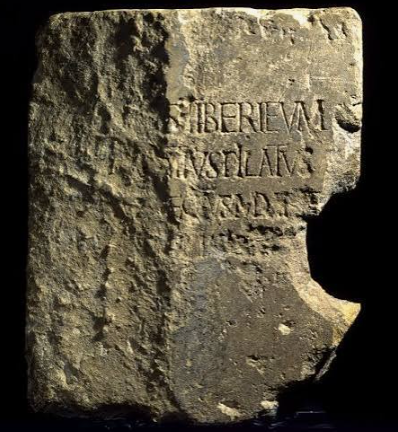
The detailed Pilate Stone, Caiaphas ossuary, and Yehohanan treatments remain in the Crucifixion collections. Here they function as cross-references establishing context, not as additional independent proofs of resurrection.
Tombs, Sites & Claimed Relics
The Church of the Holy Sepulchre: Burial-Site Evidence; The History of the Tomb’s Identification; What Tomb Archaeology Can Establish; The Shroud of Turin: Provenance and Claims; The 1988 Radiocarbon Results; Challenges to the Shroud Dating; The Shroud Image and Its Interpretation; The Sudarium of Oviedo: Claims and Limits; The Nazareth Inscription: Origin and Relevance.Evaluating Material Evidence
A Burial Site Is Not Proof of Resurrection; Dating an Object versus Identifying Its Owner; Provenance and Unprovenanced Artifacts; Independent Testing and Replication; Early Christian Objects as Evidence of Belief.Related Evidence in the Crucifixion Collections
The Pilate Stone; The Caiaphas-Family Ossuaries; Yehohanan’s Nailed Heel; First-Century Jerusalem Burial Practices.Prophecy & Jewish Expectations
Psalm 16, Psalm 110, Daniel 12, Hosea 6, Jonah, and other passages became part of Christian interpretation. Their original contexts must be distinguished from later applications to Jesus. Establishing that a text predates Christianity is not the same as establishing that its Christian interpretation is the only possible reading.
Detailed crucifixion applications of Isaiah 53 and Psalm 22 remain in their existing collections. This section concentrates on resurrection, vindication, exaltation, and the scriptural reasoning associated with those claims.
Scriptures & Interpretation
Psalm 16: Death and Deliverance; Psalm 110: Exaltation at God’s Right Hand; Daniel 12: Resurrection of the Dead; Hosea 6 and the Third Day; Jonah and the Sign Tradition; “According to the Scriptures” in 1 Corinthians 15; Scriptural Interpretation in Acts.Jewish Expectations
Resurrection Beliefs in Second Temple Judaism; Pharisees and Sadducees; Resurrection at the End of the Age; Vindication and Exaltation; Was an Individual Messiah’s Resurrection Expected?; Continuity and Innovation in Early Christian Belief; Original Context and Christian Interpretation.Modern Investigations & Conversions
Journalistic inquiry, legal reasoning, detective work, philosophy, science, and personal religious experience bring different perspectives. Professional distinction in one field does not by itself establish expertise in ancient history. Each account is most useful when its sources, reasoning, and limitations are explicit.
Conversions not specifically grounded in resurrection investigation belong here only when their relevance is clearly identified. The strongest treatment explains what persuaded a person without presenting the conversion itself as proof.
Investigators & Personal Accounts
Frank Morison and Who Moved the Stone?; Lee Strobel’s Resurrection Investigation; J. Warner Wallace’s Cold-Case Approach; C. S. Lewis: Arguments and Conversion; Nabeel Qureshi’s Evaluation of Christianity; Chuck Colson’s Watergate Analogy; Rosalind Picard: Faith and Investigation; Simon Greenleaf’s Legal Approach.Assessing the Methods
Legal Testimony and Ancient Sources; Journalism and Historical Research; Strengths and Limits of Detective Analogies; Expertise and Historical Judgment; Personal Experience versus Public Evidence; Why Investigators Reach Different Conclusions.Critical & Alternative Theories
Contemporary discussions of religious experience, grief, memory, literary development, burial uncertainty, and Paul’s testimony provide the main focus. These explanations differ from one another and should not be reduced to a single “mass hallucination” claim. Their strengths and difficulties must be considered in relation to the actual evidence.
Older stolen-body, wrong-tomb, and survival proposals have a place in the history of the debate, but historical influence is not equivalent to current evidential strength. Marginal impostor or twin scenarios are excluded from the principal outline. Philosophical questions about miracles and probability are treated separately from claims about what happened to Jesus’s body.
Sources, Memory & Narrative Development
How Independent Are the Resurrection Sources?; Oral Memory and Retelling; Literary Development in the Appearance Narratives; Legend and the Date of the Earliest Proclamation; Gospel Differences and Historical Reconstruction; What Can Be Inferred from Narrative Silence?Experience-Based Explanations
Religious Visions and Appearance Claims; Bereavement Experiences; Paul’s Experience as a Comparative Case; Individual Experiences and Group Reports; Cognitive Dissonance and Reinterpretation; Experience, Memory, and Community Reinforcement.Burial & Empty-Tomb Criticism
Uncertainty about Jesus’s Burial; Common-Grave Proposals and Their Evidence; Does Resurrection Belief Require an Empty Tomb?; Body Relocation: Evidence and Assumptions; The Empty Tomb as Narrative Development.Historically Influential Alternatives
The Stolen-Body Claim: Ancient Polemic and Later Argument; The Wrong-Tomb Proposal: Historical Standing and Objections; Survival Proposals: Medical and Historical Difficulties.Interpretation & Historical Method
Paul’s “Spiritual Body”: Competing Readings; Can Historical Method Establish a Miracle?; Background Assumptions and Prior Probability; Comparing Supernatural and Natural Explanations; When the Evidence Leaves Questions Open.The Cumulative Case
The earliest proclamation, Jesus’s death, burial and empty-tomb traditions, reported appearances, Paul and James, early communities, textual transmission, and archaeological context contribute in different ways. Some establish historical setting, some support early belief or sincere conviction, and others bear more directly on competing explanations.
The cumulative question is what conclusions the evidence supports, how securely it supports them, and which further assumptions are required. Scholarly agreement should be distinguished from the judgments of selected authors, and historical conclusions should remain distinguishable from philosophical or theological commitments.
Establishing the Evidence
What Is Widely Accepted?; What Remains Disputed?; The Minimal-Facts Approach; A Broader Evidence Approach; The Weight of Early Testimony; Independent Evidence versus Repeated Tradition; How Much Does Archaeology Add?Comparing Explanations
Explanatory Scope; Explanatory Power; Assumptions and Speculation; Evaluating Combined Explanations; The Resurrection Hypothesis; The Strongest Critical Challenges; What Would Change the Assessment?Final Assessments
Christian Scholarly Assessments; Skeptical and Nonreligious Assessments; Agreement without a Shared Explanation; Historical Judgment and Worldview; What the Evidence Establishes—and What It Leaves Open.What’s the evidence that Jesus of Nazareth rose from the dead?”
Christianity is largely based in the evidence for the resurrection of Christ Jesus, and is of course where Judaism branched off into a new and now thriving worldwide religion in all nations – just as Jesus predicted. This collection of evidence for the resurrection is based on a growing collection of artifacts, manuscripts, physical items, archaeological sites, stone inscriptions, fulfilled prophecies, scholarly findings, confirmations and corroborations, new findings, facts, and various other types of evidence and organized them into 8 sub-cats: The Gospel Accounts; Manuscript Reliability; Historical Evidence (by far the largest overall collection); Physical Evidence; Archeological Evidence; Personal Conversions; The Cumulative Evidence.
We aspire to make this the most convincing, accessible and overwhelming case online for the resurrection of Jesus Christ. We do the same for the birth, life and ministry of Jesus; for the crucifixion and the global impact of the ever-growing collection of evidence for the life, suffering, execution and resurrection of the Lord.
The Gospel Accounts
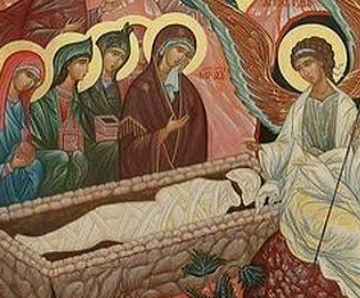
The four Gospels — Matthew, Mark, Luke, and John — each report that Jesus of Nazareth was crucified under Pontius Pilate, buried in a known tomb, and that on the third day the tomb was found empty and the risen Jesus appeared to his followers — to women, to men, to individuals, and to groups.These writings are the primary source text for the resurrection. The page presents what each Gospel reports — the empty tomb, the post-resurrection appearances, the witness of the women, and the early creed preserved in 1 Corinthians 15 — accounts composed within the lifetime of the eyewitnesses who could contradict them if they were false.Continue to The Gospel Accounts → File Under: Jesus › The Resurrection › The Gospel Accounts
Resurrection Manuscript Reliability
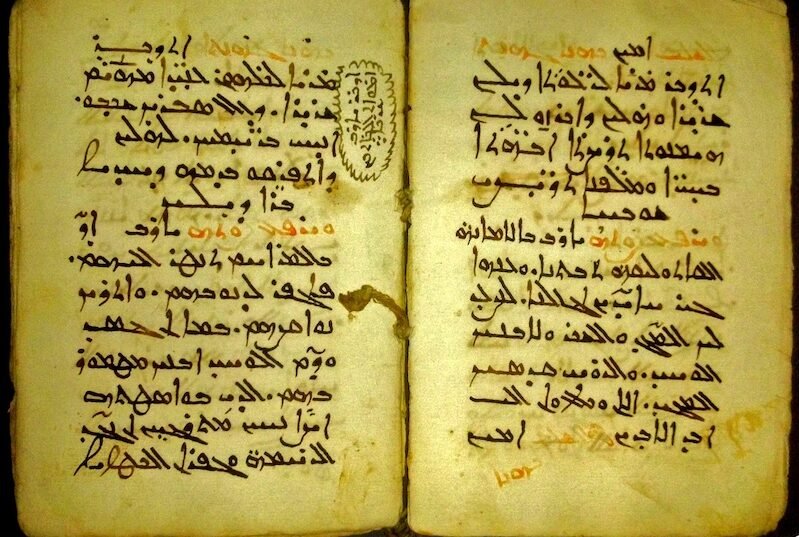
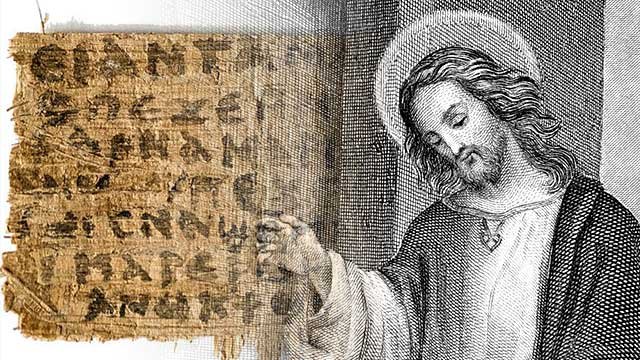
With more than 5,800 Greek manuscripts of the New Testament — some dating to within decades of the originals — and no textual variant affecting the resurrection accounts, the manuscript evidence for the New Testament exceeds that of any other ancient work by an order of magnitude.This page shows the surviving manuscripts, their early dates, and what they preserve: the John Rylands papyrus (P52, c. AD 125–175), the 1 Corinthians 15 creed dated within five to ten years of Jesus’s death, the Great Isaiah Scroll confirming Isaiah 53 pre-dates the crucifixion, and the comparative manuscript counts of other ancient historians.Continue to Manuscript Reliability → File Under: Jesus › The Resurrection › Manuscript Reliability
Historical Evidence
Most contemporary scholars of the historical Jesus — secular, Jewish, and Christian — accept as historical fact that Jesus died by crucifixion, that his tomb was later found empty, and that his disciples reported having seen him alive afterward. These “minimal facts” are the common starting point.This is the largest section, because historical method is where most of the case is made. It is organized into seven sub-sections you can jump to directly below.Continue to Historical Evidence → File Under: Jesus › The Resurrection › Historical Evidence
Physical Evidence
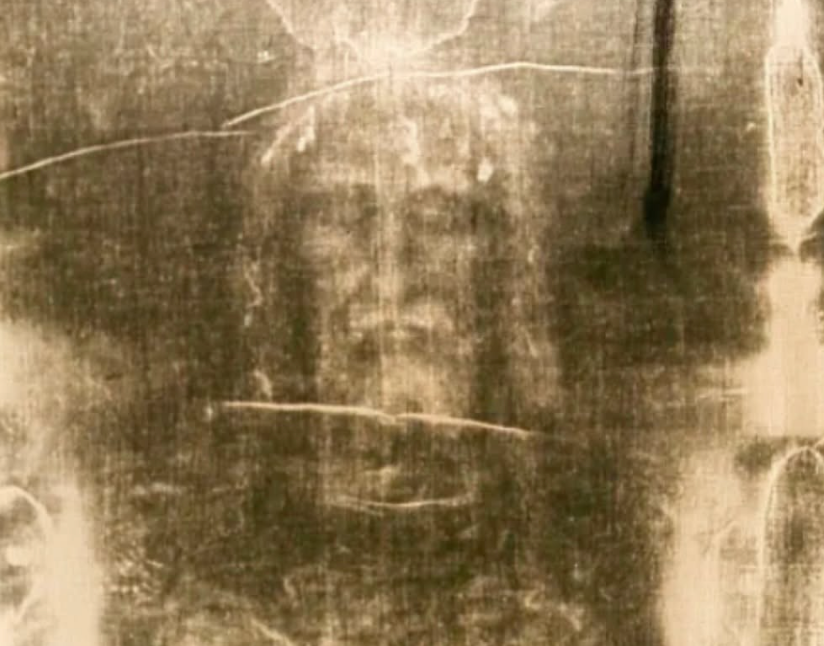
Beyond artifacts that confirm the historical setting, a small number of physical objects and sites are claimed to connect directly to the resurrection event itself — the most studied being the Shroud of Turin and the traditional tomb site beneath the Church of the Holy Sepulchre in Jerusalem.This page presents each claimed relic and site with its evidence, its history of investigation, and the serious objections raised against it. The Shroud is examined in light of both the 1988 carbon dating results and the later challenges to that dating’s sampling and methodology, so the reader can weigh the case. The tomb site is traced from the first-century burial through Hadrian’s deliberate desecration (AD 135) to the fourth-century identification under Constantine.Continue to Physical Evidence → File Under: Jesus › The Resurrection › Physical Evidence
Archaeological Evidence
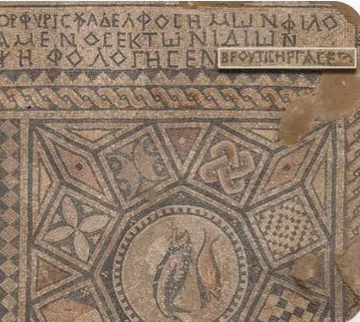
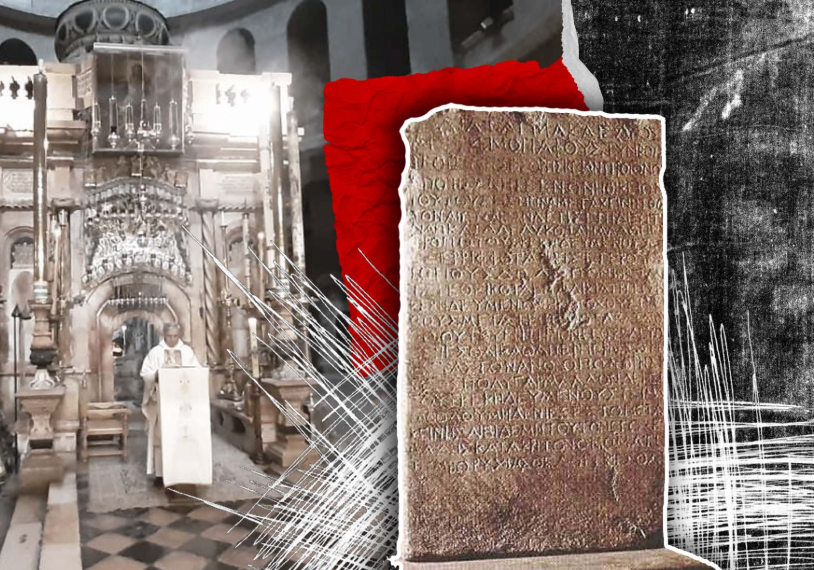
The people, places, and procedures described in the resurrection narratives — Pilate, Caiaphas, the crucifixion, the burial tomb — are confirmed by physical archaeological evidence independent of the New Testament.Physical artifacts, inscriptions, and excavations that confirm the people, places, and practices described in the resurrection narratives. The archaeological evidence for the resurrection page provides artifacts that corroborate the historical setting of the resurrection: the Pilate Stone (Caesarea Maritima, 1961), the Caiaphas Ossuary (1990), the Jehohanan heel bone with crucifixion nail (Giv’at HaMivtar, 1968), the Nazareth Inscription, and excavated first-century tombs matching the Gospel description of Jesus’s burial.Continue to Archaeological Evidence → File Under: Jesus › The Resurrection › Archaeological Evidence
Personal Conversions
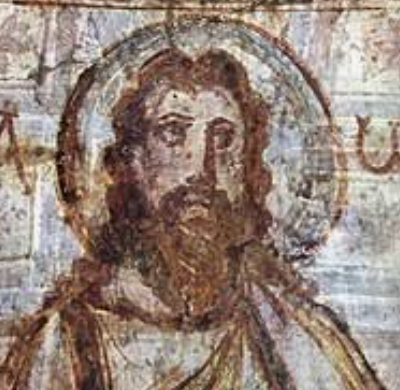
The unprecedented changes in people who claimed to have encountered the risen Jesus — then and now: the brother who did not believe, the Pharisee who hunted Christians, the fearful fishermen who became willing to die, the modern scholar who set out to disprove and was convinced — conversions driven by encounters with the risen Jesus across two thousand years.This page presents cases in which the most reasonable explanation of the conversion is the one the convert himself gives: that he encountered the risen Christ. Including James (brother of Jesus), Paul (persecutor turned apostle), the disciples’ transformation from hiding to public proclamation, and modern converts such as Lee Strobel, C.S. Lewis, and Dr. Rosalind Picard.Continue to Personal Conversions → File Under: Jesus › The Resurrection › Personal Conversions
Addressing Alternatives
If Jesus did not rise from the dead, what did happen? Each rival explanation — the stolen body, the mass hallucination, the swoon, the legendary accretion — must account for the same minimal facts the resurrection explanation addresses.Examining rival explanations for the resurrection accounts — the stolen body, the hallucination, the swoon, the legend — against the historical evidenceThis sub-section within Historical Evidence examines the four classical alternative theories and the historical, medical, and psychological objections to each. It also responds to modern variants such as the cognitive-dissonance theory and the unknown-tomb theory.Continue to Answering the Alternative Theories → File Under: Jesus › The Resurrection › Historical Evidence › Alternative Theories
The cumulative case for the resurrection — what the separate lines of evidence, taken together, add up to. Each line of evidence is significant on its own; together they form a cumulative case. Historians call this an inference to the best explanation — the resurrection accounts for more of the established facts than any single alternative.This page summarizes the cumulative case and presents the strongest single pieces across all categories — the 1 Corinthians 15 creed, the women at the tomb, the conversion of Paul, the minimal facts consensus, and Tacitus. A starting point if you have only five minutes.Continue to Putting It All Together → File Under: Jesus › The Resurrection › Cumulative Evidence
Tacitus on Roman Fire and the Neronian Persecution
Tacitus, Annals 15.44, c. AD 116“Therefore, to scotch the rumour, Nero substituted as culprits, and punished with the utmost refinements of cruelty, a class of men, loathed for their vices, whom the crowd styled Christians. Christus, the founder of the name, had undergone the death penalty in the reign of Tiberius, by sentence of the procurator Pontius Pilatus.”Tacitus writes within the framework of the Neronian persecution of AD 64, presupposing that “Christus” had been a real historical person executed by a Roman magistrate named Pontius Pilate (Pontius Pilate). The dating — “in the reign of Tiberius” (AD 14–37) — places the crucifixion within the exact window the Gospels assign, anchoring the core Passion chronology in a hostile Roman source. Tertullian later located the same Roman archive reference (Apologeticus 21), suggesting Tacitus drew from official acta of Pilate’s administration. Citation: Cornelius Tacitus, Annals 15.44.File Under:Resurrection > Secular Corroboraton > Early Christian TextsCross-References: The Crucifixion | Undesigned Coincidences
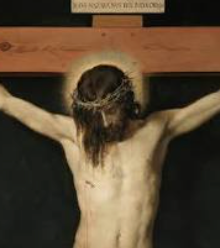
THE JOURNALIST’S VERDICT ON THE CREATOR
Lee Strobel, former legal affairs editor for the Chicago Tribune“I used to think that to be a Christian, you had to commit intellectual suicide. But after nearly two years of investigating the evidence for and against Christianity, the evidence for the resurrection of Jesus Christ was so compelling that it would have taken more faith to maintain my atheism than to become a Christian.” Transformed from an aggressive atheist journalist into an author whose The Case for Christ series introduced millions of secular readers to historical apologetics. Evidence: Legal and historical cross-examination of New Testament manuscript reliability and eye-witness testimony. [Ontology: Jesus > The Resurrection & Historical Case for Jesus]
Matthew 22:41–45 – SIT AT MY RIGHT HAND
David, king of Israel and traditional psalmist“The LORD said unto my Lord, Sit thou at my right hand, until I make thine enemies thy footstool.”Jesus cites this psalm directly in debate with religious leaders, arguing that the Messiah must be more than merely David’s human descendant. The New Testament applies it to Christ’s resurrection and exaltation to God’s right hand. Claimed fulfillment: Matthew 22:41–45; Acts 2:34–36; Hebrews 1:13. OT source: Psalm 110:1. This is the most frequently quoted Old Testament verse in the New Testament. [Ontology: The Bible > Fulfilled Prophecies > Messiah: Exaltation and Kingship]

THE DEVOUT MUSLIM WHO SEARCHED FOR ISLAM AND FOUND JESUS
Dr. Nabeel Qureshi, physician & former Ahmadiyya Muslim“I had been a Muslim my whole life…yet the historical evidence for the resurrection of Jesus was stronger than anything I had for Islam’s core claims.” A Pakistani-American physician raised in a devout Ahmadiyya Muslim family, Qureshi subjected both Islam and Christianity to rigorous historical scrutiny. His investigation of the evidence for Jesus’s resurrection and the textual history of the Quran convinced him of Christianity’s historical superiority. He was baptized in 2005 and died of stomach cancer at age 34. Seeking Allah, Finding Jesus (Zondervan, 2014). Ontology: Human Experience > Conversions

THE BOOK THAT REFUSED TO BE WRITTEN
Frank Morison, lawyer, journalist & author“I set out to write a book disproving the Resurrection of Jesus to free people from religious myth. But as I examined the legal and historical evidence, I was forced to write a completely different book: Who Moved the Stone?“ His classic investigative book converted thousands of skeptical readers by applying legal standards of evidence to the Easter narrative. Evidence: Juridical analysis of early Roman and Jewish trial records and post-resurrection behavior. [Ontology: Jesus > The Resurrection & Historical Case for Jesus]
FROM ACADEMIC ATHEISM TO FAITH
Dr. Holly Ordway, professor of English & literary scholar“My atheism was defensive, built on the assumption that religious people were ignorant. But when a Christian colleague presented rational, historical arguments that I couldn’t refute, my intellectual armor completely fell apart.” Author of Not God’s Type, her conversion story transformed how literary scholars and secular academics view imaginative and rational apologetics. Evidence: Historical evidence for the Resurrection combined with literary philosophy. [Ontology: Jesus > The Resurrection & Historical Case for Jesus]

THE HAPPY ATHEIST WHO STARTED ASKING HARD QUESTIONS
Dr. Mary Jo Sharp, Christian apologist & former atheist“I was a happy atheist. I had no desire whatsoever to become a Christian — until I started looking honestly at the evidence for the resurrection.” Raised in a secular household in the Pacific Northwest with no religious background, Sharp converted to Christianity after examining the historical evidence for the resurrection of Jesus while attending a Bible study as a skeptical participant. She subsequently earned a Master of Arts in Christian Apologetics and became one of the first women to receive a doctorate in apologetics from New Orleans Baptist Theological Seminary. She has written and spoken widely on the intersection of women, scholarship, and Christian evidence. Defending the Faith: Apologetics in Women’s Ministry (B&H Academic, 2011).Ontology: Human Experience > Conversions

THE COLD-CASE DETECTIVE ON THE GOSPELS
J. Warner Wallace, cold-case homicide detective & forensic investigator“I became a Christian in 1996, not because I was raised in the church… but because the evidence for Christianity was so compelling. I began to investigate the claims of the New Testament using the same skills I used to investigate cold-case homicides, and I discovered that the Gospels reliably recorded true eyewitness accounts of the life, ministry, death, and resurrection of Jesus.” An avowed atheist and professional detective who applied forensic statement analysis to the Gospels and concluded they bear the hallmarks of reliable eyewitness testimony. Evidence: Forensic statement analysis and evidential reasoning applied to the Gospel accounts. [Ontology: Jesus > The Resurrection & Historical Case for Jesus]
THE WATERGATE CONVICT’S BORN-AGAIN TRUTH
Charles Colson, special counsel to President Nixon & founder of Prison Fellowship“Watergate proved to me that 12 powerful men couldn’t keep a lie for three weeks. How could 12 powerless apostles maintain the ‘lie’ of the Resurrection for decades under threat of death? The Resurrection is a cold, hard historical fact.” Known as Nixon’s political “hatchet man,” his radical prison conversion led to founding Prison Fellowship, the world’s largest outreach to prisoners. Evidence: Political analysis of conspiracy feasibility versus apostolic martyrdom. [Ontology: Jesus > The Resurrection & Historical Case for Jesus]
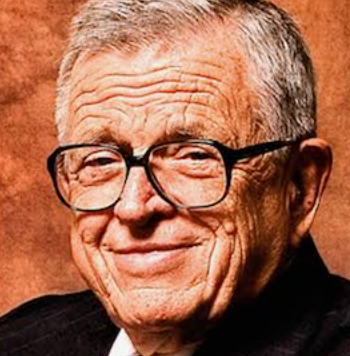
THE LEGAL DEFENSE OF ST. PAUL
Lord George Lyttelton, British politician, poet & scholar“The conversion and apostleship of St. Paul alone, duly considered, was of itself a demonstration sufficient to prove the Christian Revelation to be a Divine Revelation.” Set out with his friend Gilbert West as an 18th-century deist/skeptic to disprove Christianity; ended up writing a famous defense of Paul’s conversion on the Damascus Road. Evidence: Juridical analysis of the psychological and historical transformation of Saul of Tarsus. [Ontology: Jesus > The Resurrection & Historical Case for Jesus]
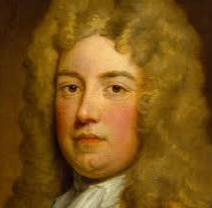
THE PERSECUTOR WHO BENT THE KNEE
Sergey Kourdakov, former Soviet KGB officer & naval officer“I led police raids raiding underground Christian prayer meetings and beating believers. But seeing young girls willing to suffer broken bones for Jesus without retaliating shattered my Communist conditioning.” A elite Soviet officer who defected to the West by jumping ship in a storm, writing Forgive Me, Natasha before his tragic young death. Evidence: Moral witness of persecuted Christian believers demonstrating transcendent fortitude. [Ontology: Jesus > The Resurrection & Historical Case for Jesus]
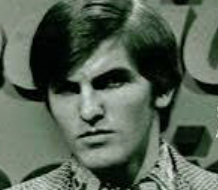
THE ATHEIST WHO INVESTIGATED TO DISPROVE
Lee Strobel, award-winning investigative journalist & former legal editor“I had spent my life as an atheist… but as I studied the evidence for the resurrection, I came to the conclusion that it would take more faith to maintain my atheism than to become a Christian. In light of the avalanche of evidence pointing so clearly toward the truth of Christianity, I realized I couldn’t remain the skeptic I had once been.” Applied his legal and journalistic training to systematically investigate Christianity in an attempt to refute it, only to be convinced by the very evidence he examined. Evidence: Legal-historical analysis of eyewitness testimony and the resurrection accounts. [Ontology: Jesus > The Resurrection & Historical Case for Jesus]
THE MIT PROFESSOR WHO EXAMINED THE RESURRECTION EVIDENCE
Dr. Rosalind Picard, MIT Media Lab professor & founder of Affective Computing“I went from rolling my eyes at Christians to realizing that the historical evidence for the resurrection of Jesus is actually quite compelling — better than I had ever given it credit for.” A professor at MIT’s Media Lab and founder of its Affective Computing research group — one of the world’s leading experts in artificial intelligence and human emotion — Picard was a self-described atheist who examined the historical case for the resurrection during a period of personal crisis. She concluded that the evidence was serious and historically defensible and converted to Christianity. She has since written and spoken widely on the relationship between science, consciousness, and faith. Documented in recorded MIT interviews, public lectures, and published essays (c. 2010–present).Ontology: Human Experience > Conversions

THE MINIMAL FACTS HISTORICAL CONSENSUS
Dr. Gary Habermas, Historian & New Testament ScholarFact: “Since 1975, more than 1400 scholarly publications on the death, burial, and resurrection of Jesus have appeared.” Habermas recommends building a historical case from a small set of facts widely accepted by scholars — commonly listed as: (1) Jesus died by crucifixion; (2) the disciples believed they saw the risen Jesus; (3) Paul converted from persecutor to apostle; (4) James, the brother of Jesus, converted; and (5) the tomb was empty. Gary R. Habermas, “Resurrection Research from 1975 to the Present,” Journal for the Study of the Historical Jesus, 2005[File Under: Jesus > The Resurrection & Historical Case for Jesus]
THE TRANSFORMATION OF DREAD TO MARTYRDOM
Early Church History & Historical PsychologyFact: The Gospels record the disciples fled at Jesus’ arrest: “Then all the disciples forsook him, and fled.” (Mark 14:50 KJV). Within weeks they were publicly proclaiming Jesus’ resurrection in Jerusalem and endured persecution, imprisonment, and execution for that proclamation. While people may die for false beliefs, no one willingly dies for what they know to be a lie. The apostles were eyewitnesses who knew whether they saw the risen Jesus or not. Sources: Mark 14:50 KJV; Acts 4–5 KJV; 1 Clement 5; Eusebius, Church History II.9[File Under: Jesus > The Resurrection & Historical Case for Jesus]
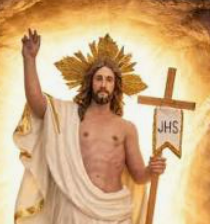
THE ENEMY WHO BECAME AN APOSTLE
Saul of Tarsus, Former Pharisee & Persecutor of ChristiansFact: Paul describes his former life and conversion in his letters: “For ye have heard of my conversation [and that I]… persecuted the church of God, and wasted it” (Galatians 1:13 KJV); “And I was more exceedingly zealous of the traditions of my fathers” (Galatians 1:14 KJV); and of post-resurrection appearances, “…as of one born out of due time.” (1 Corinthians 15:8 KJV). Acts 9 recounts Paul’s road-to-Damascus encounter. Paul had no apparent motive for converting to Christianity that would benefit him; rather, he suffered loss and opposition. Sources: Galatians 1:13–14 KJV; 1 Corinthians 15:8 KJV; Acts 9 KJV[File Under: Jesus > The Resurrection & Historical Case for Jesus]
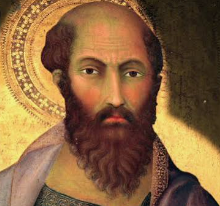
THE SKEPTICAL BROTHER WHO BECAME A MARTYR
James the Just, skeptical sibling & leader of the Jerusalem ChurchFact: John records that Jesus’ brethren did not believe in him during his ministry: “For neither did his brethren believe in him.” (John 7:5 KJV). 1 Corinthians 15:7 states the risen Jesus “was seen of James.” James later led the Jerusalem church (Acts 15:13; Galatians 2:9) and, according to Josephus and early church historians, was killed by stoning c. AD 62. Convincing a skeptical family member that you are the divine Messiah requires undeniable proof. Sources: John 7:5 KJV; 1 Corinthians 15:7 KJV; Acts 15:13 KJV; Galatians 2:9 KJV; Josephus, Jewish Antiquities 20.197–203; Eusebius, Church History II.23[File Under: Jesus > The Resurrection & Historical Case for Jesus]

THE EARLY CREED DATED WITHIN YEARS OF CHRIST
1 Corinthians 15:3-8, textual criticism & early oral tradition“For I delivered unto you first of all that which I also received, how that Christ died for our sins according to the scriptures; And that he was buried, and that he rose again the third day according to the scriptures: And that he was seen of Cephas, then of the twelve.” (1 Corinthians 15:3–5 KJV). Critical scholars (e.g., Gerd Lüdemann, Bart Ehrman) date this formula to within 1 to 5 years of the Crucifixion, undermining the “myth development over centuries” hypothesis. 1 Corinthians 15:3–8 KJV; textual-critical studies dating the creed (see Gerd Lüdemann; Bart D. Ehrman)[File Under: Jesus > The Resurrection & Historical Case for Jesus]
THE CRITERION OF EMBARRASSMENT & FEMALE WITNESSES
Historical Methodology & Roman-Jewish Legal StandardsIn 1st-century Jewish and Roman contexts the testimony of women was commonly discounted in legal proceedings. The Gospels identify women as the primary discoverers of the empty tomb: “And when the sabbath was past, Mary Magdalene…might come and anoint him.” (Mark 16:1 KJV); “In the end of the sabbath…came Mary Magdalene and the other Mary to see the sepulchre.” (Matthew 28:1 KJV); “The first day…Mary Magdalene…seeth the stone taken away from the sepulchre.” (John 20:1 KJV). The “Criterion of Embarrassment” indicates that an event damaging to a movement’s cause would not be fabricated. Mark 16:1 KJV; Matthew 28:1 KJV; John 20:1 KJV; Josephus, Jewish Antiquities 4.8.15; Mishnah Yebamot 16:7[File Under: Jesus > The Resurrection & Historical Case for Jesus]
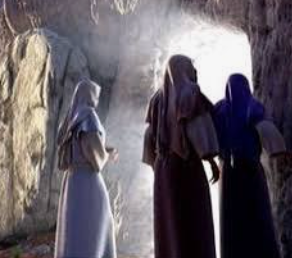
THE UNCHALLENGED EMPTY TOMB IN JERUSALEM
Jerusalem Topography & Jewish Sanhedrin RecordsThe earliest Christian preaching occurred in Jerusalem: “And when the day of Pentecost was fully come, they were all with one accord in one place.” (Acts 2:1 KJV). If the body had remained in the tomb, contemporaneous Jewish or Roman authorities could have produced it to refute the resurrection claims. The earliest rival explanation preserved in Matthew is that the disciples stole the body: “Saying, His disciples came by night, and stole him away while we slept.” (Matthew 28:13 KJV). Neither Jewish leaders nor Roman administrators ever claimed to possess the body of Jesus; instead, they admitted the tomb was empty by accusing the disciples of theft. Sources: Acts 2:1 KJV; Matthew 28:11–15 KJV; William Lane Craig, “The Historicity of the Empty Tomb”[File Under: Jesus > The Resurrection & Historical Case for Jesus]
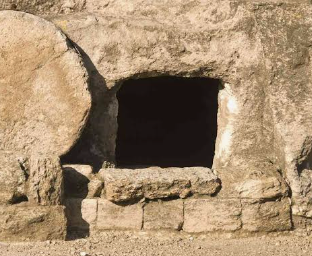
ENEMY ATTESTATION: “HIS DISCIPLES STOLE THE BODY”
Historical records & Jewish Polemics (Toledot Yeshu, Justin Martyr)“His disciples came by night, and stole him away while we slept.” (Matthew 28:13 KJV). Matthew preserves this as the Jewish leadership’s explanation for the empty tomb . Later anti-Christian polemics (e.g., Justin Martyr) repeat the theft accusation. When adversaries agree on a core fact (the empty tomb), that fact is historically established beyond reasonable doubt. Sources: Matthew 28:11–15 KJV; Justin Martyr, Dialogue with Trypho 108; Tertullian, De Spectaculis 30[File Under: Jesus > The Resurrection & Historical Case for Jesus]
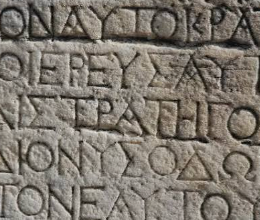
THE NAZARETH INSCRIPTION: IMPERIAL DECREE ON TOMB ROBBING
Archaeological artifact and known edict of Caesar (1st c. AD)The Nazareth Inscription is a Greek marble edict forbidding the violation of tombs and ordering capital punishment for anyone who moves a body or tampers with burial seals. Epigraphical study places the inscription in the 1st century AD; some scholars have linked it to Roman measures after disturbances over tombs, possibly including the empty-tomb controversy, though this connection remains debated. A 2020 isotope study suggests the marble came from Kos, complicating a direct Galilean association. Tomb robbing was usually a civil property crime punished by fines, but this edict elevated grave-tampering to a capital offense. Franz Cumont, Revue Historique 1930; Harper et al., Journal of Archaeological Science: Reports 2020[File Under: Jesus > The Resurrection & Historical Case for Jesus]
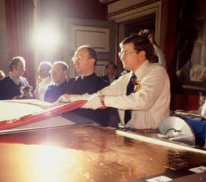
THE SHROUD OF TURIN & ANATOMICAL REALISM
STURP (Shroud of Turin Research Project) & Forensic Pathology“We can conclude for now that the Shroud image is that of a real human form of a scourged, crucified man. It is not the product of an artist. The blood stains are composed of hemoglobin and also give a positive test for serum albumin.” STURP reported no pigments, paints, dyes, or brush strokes on the fibrils; the image encodes three-dimensional information and is confined to the outermost fibers of the linen. Heller and Adler reported evidence consistent with real human blood (type AB in follow-up testing). The image matches Roman flagellation and crucifixion wounds in anatomical detail and contains features (serum halos, 3D encoding) described as not consistent with conventional medieval art techniques. STURP Final Report 1981; J. H. Heller & A. D. Adler, Canadian Society of Forensic Science Journal 1981; P. L. Baima Bollone 1982[File Under: Jesus > The Resurrection & Historical Case for Jesus]
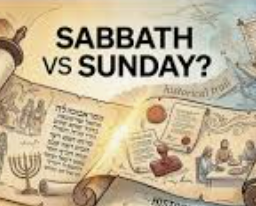
THE SHIFT OF THE SABBATH FROM SATURDAY TO SUNDAY
Sociological & Religious Shift in 1st-Century JudeaFact: For over a thousand years, devout Jews observed the Saturday Sabbath as a foundational covenant sign. Yet within weeks of the crucifixion, thousands of Jewish believers began gathering for worship on Sunday—the first day of the week—commemorating the resurrection. Scripture records this shift: “And upon the first day of the week, when the disciples came together to break bread” (Acts 20:7 KJV); “I was in the Spirit on the Lord’s day” (Revelation 1:10 KJV). Sociologists note that core religious structures do not change overnight without a massive catalytic event. Sources: Acts 20:7 KJV; 1 Corinthians 16:2 KJV; Revelation 1:10 KJV; Ignatius, Epistle to the Magnesians 9.1; Didache 14.1[File Under: Jesus > The Resurrection & Historical Case for Jesus]
EXTRA-BIBLICAL HISTORICAL CORROBORATION
Flavius Josephus (Antiquities) & Cornelius Tacitus (Annals)“Christus, the founder of the name, had undergone the death penalty in the reign of Tiberius, by sentence of the procurator Pontius Pilatus, and the pernicious superstition was checked for a moment, only to break out once more.” Tacitus (Roman senator) and Josephus (Jewish historian) independently confirm Jesus’ execution under Pilate and the rapid spread of the resurrection movement—providing non-Christian, hostile verification of core Gospel facts. Sources: Tacitus, Annals 15.44 (c. AD 116); Josephus, Jewish Antiquities 18.3.3 (Testimonium Flavianum); Suetonius, Lives of the Caesars; Pliny the Younger, Epistles 10.96[File Under: Jesus > The Resurrection & Historical Case for Jesus]
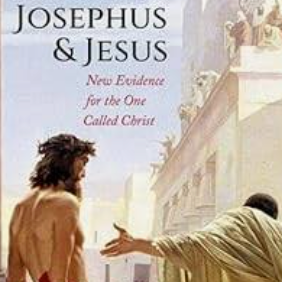
PHYSICAL IMPOSSIBILITY OF THE SWOON THEORY
Dr. William D. Edwards et al., Journal of the American Medical Association (JAMA, 1986)“Death resulted primarily from hypovolemic shock and exhaustion asphyxia. Jesus’ death was ensured by the thrust of a soldier’s spear into his side. Modern medical interpretation of the historical evidence indicates that Jesus was dead when taken down from the cross.” The JAMA study concluded that survival was medically impossible given the scourging, crucifixion, and spear thrust. Additionally, the Gospel of John records “about an hundred pound weight” of spices wrapped around the body (John 19:39 KJV). Sources: Edwards, Gabel & Hosmer, “On the Physical Death of Jesus Christ,” JAMA 255:11 (1986), pp. 1455–1463; John 19:34, 19:39 KJV[File Under: Jesus > The Resurrection & Historical Case for Jesus]

PSYCHOLOGICAL REFUTATION OF MASS HALLUCINATION
Dr. Gary A. Sibcy“I have surveyed the professional literature … during the past two decades and have yet to find a single documented case of a group hallucination.” (Gary A. Sibcy) “Hallucinations are individual occurrences. By their very nature only one person can see a given hallucination at a time. They certainly are not something which can be seen by a group of people.” (Gary R. Collins). The resurrection appearances were experienced by multiple individuals simultaneously—indoors, outdoors, on a mountain—to groups of up to 500 (1 Corinthians 15:6 KJV), including touch and shared meals.Gary R. Collins, in Habermas & Moreland, Beyond Death (1998), pp. 119–120; Gary A. Sibcy, private communication to Michael Licona, cited in The Resurrection of Jesus (2010), p. 484; 1 Corinthians 15:5–8 KJV [File Under: Jesus > The Resurrection & Historical Case for Jesus]

ARCHAEOLOGY: THE PILATE STONE & CAIAPHAS OSSUARY
Caesarea Maritima Inscription (1961) & Jerusalem Burial Ossuary (1990)The 1961 Pilate Stone, discovered at Caesarea Maritima, bears the Latin inscription “[POntius] PILATUS [PRAEF]ECTUS IUDA[EA]E”—the only archaeological inscription confirming Pontius Pilate as prefect of Judaea. In 1990, an ornately decorated ossuary was discovered south of Jerusalem bearing the Aramaic inscription “Joseph son of Caiaphas,” widely identified as the high priest who presided over Jesus’ trial. Both discoveries confirmed figures once questioned by skeptics, rooting the Gospel narrative in verifiable history. Antonio Frova, L’iscrizione di Ponzio Pilato a Cesarea (1961); Zvi Greenhut, “Burial Cave of the Caiaphas Family,” Atiqot 21 (1992); Ronny Reich, “Caiaphas Name Inscribed on Bone Boxes,” Biblical Archaeology Review (1992)[File Under: Jesus > The Resurrection & Historical Case for Jesus]
HISTORICAL VERACITY OF THE HONORABLE BURIAL
Joseph of Arimathea, member of the SanhedrinAll four Gospels independently attest that Joseph of Arimathea, a prominent member of the Sanhedrin—the council that condemned Jesus—requested and received the body for honorable burial. Mark records: “Joseph of Arimathaea, an honourable counsellor … went in boldly unto Pilate, and craved the body of Jesus” (Mark 15:43 KJV). Since the early Christians would have no motive to invent a Sanhedrin member as the one who gave Jesus an honorable burial, many scholars regard this detail as authentic by the criterion of embarrassment. A prominent civic figure’s tomb would be publicly known and verifiable. Sources: theMark 15:42–47 KJV; Matthew 27:57–60 KJV; Luke 23:50–53 KJV; John 19:38–42 KJV; Raymond Brown, The Death of the Messiah (1994); William Lane Craig, “The Historicity of the Empty Tomb”[File Under: Jesus > The Resurrection & Historical Case for Jesus]
EXPLANATORY POWER AND SCOPE OF THE HYPOTHESIS
Dr. William Lane Craig, Philosopher & TheologianFact: Craig argues that the hypothesis “God raised Jesus from the dead” satisfies the standard criteria for inference to the best explanation better than any rival theory: it possesses greater explanatory scope and power, greater plausibility, is less ad hoc, and accords with accepted beliefs. Naturalistic theories typically explain one fact while failing on others—for example, the hallucination theory may account for post-death appearances but not the empty tomb or the origin of the disciples’ belief in resurrection.William Lane Craig, Assessing the New Testament Evidence for the Historicity of the Resurrection of Jesus (1989); Reasonable Faith (3rd ed., 2008)[File Under: Jesus > The Resurrection & Historical Case for Jesus]

EXPLOSIVE GROWTH IN THE FACE OF DEATH
Pliny the Younger’s Epistles & Roman expansionFact: Within decades of the crucifixion, a movement founded by an executed carpenter in a backwater Roman province had spread across the Empire—despite offering no military, political, or financial advantage, only hardship and martyrdom. By c. AD 112, Pliny the Younger wrote to Emperor Trajan that Christians in Bithynia “sang a hymn to Christ as to a god” and that their movement had spread through “cities, villages, and countryside” to the point where pagan temples were nearly deserted.Pliny the Younger, Epistles 10.96–97 (c. AD 112); Acts 1–19 KJV; Eusebius, Church History III.4[File Under: Jesus > The Resurrection & Historical Case for Jesus]

OLD TESTAMENT PROPHETIC BLUEPRINT (DEAD SEA SCROLLS)
Great Isaiah Scroll (1QIsaᵃ, c. 125 BC) & Dead Sea ManuscriptsFact: The Great Isaiah Scroll from Qumran, carbon-dated to approximately 125 BC, preserves Isaiah 53 verbatim centuries before Christ. It prophesies a suffering servant “wounded for our transgressions” (Isaiah 53:5 KJV), who would make “his grave with the wicked, and with the rich in his death” (Isaiah 53:9 KJV), and who would “prolong his days” after suffering (Isaiah 53:10 KJV). Psalm 22, also preserved among the scrolls, describes pierced hands and feet: “they pierced my hands and my feet” (Psalm 22:16 KJV)—written centuries before the Romans adopted Persian crucifixion.1QIsaᵃ (Great Isaiah Scroll, c. 125 BC); Isaiah 53:5, 53:9, 53:10 KJV; Psalm 22:16 KJV; radiocarbon dating: University of Arizona, 1991–1994; paleographic dating: Frank Cross[File Under: Jesus > The Resurrection & Historical Case for Jesus]

THE LOGICAL TRILEMMA: LORD, LIAR, OR LUNATIC?
C.S. Lewis, Oxford Scholar & Literary Critic“A man who was merely a man and said the sort of things Jesus said would not be a great moral teacher. He would either be a lunatic—on a level with the man who says he is a poached egg—or else he would be the Devil of Hell. You must make your choice. Either this man was, and is, the Son of God, or else a madman or something worse.” Fact: Jesus claimed authority to forgive sins (Mark 2:5–7 KJV) and equality with God (John 10:30 KJV). If these claims were false, He was either knowingly deceptive or genuinely delusional—neither of which fits His profound moral teachings and historical impact.C.S. Lewis, Mere Christianity (1952), Book II, Chapter 3; Mark 2:5–7 KJV; John 10:30 KJV[File Under: Jesus > The Resurrection & Historical Case for Jesus]

UNDESIGNED COINCIDENCES IN THE GOSPEL ACCOUNTS
Dr. Lydia McGrew, analytic philosopher & textual scholar“An undesigned coincidence occurs when one writer’s incidental remark supplies the solution to another writer’s problem, without signs of collusion.” Fact: Examples include Luke’s account of Peter running to the tomb (Luke 24:12) answering Mark’s detail that the disciples fled (Mark 16:8), and John explaining why Pilate found no guilt (John 18:36) answering charges in other Gospels.Lydia McGrew, “Undesigned Coincidences” (lecture and essays); Luke 24:12 KJV; Mark 16:8 KJV; John 18:36 KJV[File Under: Jesus > The Resurrection & Historical Case for Jesus]

MULTIPLE INDEPENDENT SOURCES FOR THE RESURRECTION
Established historiographical methodology & source criticismFact: Ancient-historical method treats events attested by multiple independent sources as well established. The death, burial, and resurrection appearances of Jesus are attested in multiple independent streams (e.g., Paul’s letters, Mark, Q material, M and L traditions, and John).See: Criterion of Multiple Attestation (historiography); 1 Corinthians 15:3–8 KJV; Mark; John[File Under: Jesus > The Resurrection & Historical Case for Jesus]

UNRIVALED ANCIENT MANUSCRIPT CORROBORATION
Dr. Daniel B. Wallace, Center for the Study of NT Manuscripts“There are thousands of Greek NT manuscripts, far outnumbering other ancient works; our earliest NT fragments date within decades of the originals.” Fact: The quantity and early proximity of NT manuscripts reduce textual uncertainty and make the Gospels unusually well-attested in ancient literature.Daniel B. Wallace, Center for the Study of New Testament Manuscripts; e.g., John Rylands Papyrus (P52, c. 125–175 AD)[File Under: Jesus > The Resurrection & Historical Case for Jesus]

THE SILENCE OF ACTS: DATING BEFORE 62 AD
Arguments from internal chronology (Colin Hemer et al.)Fact: Some scholars argue Luke-Acts was composed before AD 62 because Acts does not mention events after that date (e.g., Paul’s death, the Jewish War/Destruction of Jerusalem). If Acts predates those events, Gospel traditions circulated within the lifetimes of eyewitnesses.Colin Hemer, The Book of Acts in the Setting of Hellenistic History (1989); internal evidence in Acts[File Under: Jesus > The Resurrection & Historical Case for Jesus]
1ST-CENTURY ONOMASTICS AND GEOGRAPHICAL PRECISENESS
Dr. Richard Bauckham, Jesus and the Eyewitnesses“The prevalence of particular names and the precise local details in the Gospels match 1st-century Palestinian reality, indicating eyewitness-based memory rather than later fiction.” Fact: Statistical name distributions and local topography in the Gospels align with archaeological and epigraphic data.Richard Bauckham, Jesus and the Eyewitnesses (2006); onomastic studies and archaeological surveys[File Under: Jesus > The Resurrection & Historical Case for Jesus]
THE YEHOHANAN HEEL: PROOF OF PROPER CRUCIFIXION BURIAL
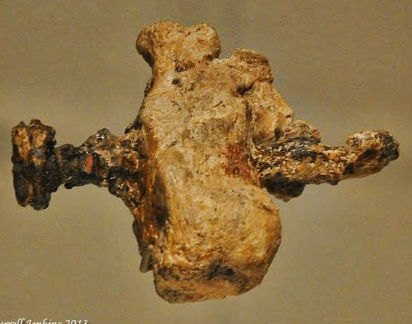
Dr. Nico Haas, Hadassah Medical School (1968)“The heel bone of Yehohanan, pierced by an iron nail and found in a private tomb (1968), demonstrates that some crucified victims received burial rites.” Fact: This archaeological find counters claims that crucified men were never given tomb burials.N. Haas, “A Crucified Man from Herod’s Tomb,” Israel Exploration Journal (1968); excavation reports[File Under: Jesus > The Resurrection & Historical Case for Jesus]
THE OSSUARY OF THE SONS OF SIMON OF CYRENE
Jerusalem ossuary finds & epigraphic reports“Mark names ‘Alexander and Rufus’ as sons of Simon of Cyrene (Mark 15:21). Archaeological ossuaries inscribed ‘Alexander son of Simon’ have been reported—suggesting the names reflect real Judean families.” Fact: The onomastic match supports the Gospels’ use of recognizable personal names rather than pure invention.Mark 15:21 KJV; archaeological reports of ossuaries (see Biblical Archaeology Review discussions)[File Under: Jesus > The Resurrection & Historical Case for Jesus]

THE ERASTUS INSCRIPTION: CORINTHIAN CIVIC VERIFICATION
Corinthian excavation epigraphy (1929)“An inscription found in Corinth reads ‘Erastus, curator of the city, laid (this) pavement at his own expense.’ Fact: This dovetails with Paul’s greeting to Erastus (Romans 16:23), showing NT letters address real civic officials.” Erastus inscription, Corinth; Romans 16:23 KJV; Corinth excavation reports (1929)[File Under: Jesus > The Resurrection & Historical Case for Jesus]

REFUTING THE STOLEN BODY HYPOTHESIS
Legal and Historical Analysis of Conspiracy TheoriesFact: Theft explanations require disciples to overcome Roman guards, break an official seal, move a heavy stone, and keep silent under intense persecution and torture—practically and psychologically unlikely. Historical records show conspiracies under torture typically collapse, making mass deception improbable.See: Matthew 28:11–15 KJV (Jewish leaders’ theft charge); studies on conspiracy psychology and ancient Roman guard procedures[File Under: Jesus > The Resurrection & Historical Case for Jesus]

REFUTING THE “WRONG TOMB” HYPOTHESIS
Historical Topography & Sanhedrin RecordsFact: Joseph of Arimathea owned the tomb and Jewish leaders knew its location; if opponents alleged a mistaken-tomb error, they could have produced the corpse to disprove the claim. Their failure to do so undermines the ‘wrong tomb’ explanation.Gospel accounts: Matthew 27:57–61 KJV; Mark 15:43–47 KJV; John 19:38–42 KJV[File Under: Jesus > The Resurrection & Historical Case for Jesus]

REFUTING THE MYTHOLOGICAL DEVELOPMENT THEORY
A.N. Sherwin-White, ancient historian“In cases where living eyewitnesses survived, myths and legends did not displace historical core facts within a generation.” Fact: Classic studies (Sherwin-White) show myth-making typically requires more time than the brief interval in which the resurrection creed arose, making rapid legendary development unlikely.A.N. Sherwin-White, Roman Society and Roman Law in the New Testament (1963); comparative studies on legend formation[File Under: Jesus > The Resurrection & Historical Case for Jesus]

REFUTING GRIEF AND COGNITIVE DISSONANCE THEORIES
Social Psychology & Messianic Movement ComparisonFact: Other 1st-century messianic movements dissolved or reconstituted under new leaders after failure; they did not produce persistent claims of physical resurrection. Given Jewish expectations of a general end-time resurrection, grief-driven invention of a bodily-raising event is inconsistent with the culture’s eschatology.Comparative studies of messianic movements; examples: Bar Kokhba, other failed leaders in Josephus[File Under: Jesus > The Resurrection & Historical Case for Jesus]

REFUTING THE TWIN OR IMPOSTOR HYPOTHESIS
Forensic Witness Evaluation & Physical AttestationFact: The resurrection appearances included tactile interactions, shared meals, and extended conversations (Luke 24:39–43; John 20:27–29), details difficult for an impostor or unknown twin to replicate without detection by acquaintances who had lived with Jesus for years.Luke 24:39–43 KJV; John 20:27–29 KJV; forensic and eyewitness reliability studies[File Under: Jesus > The Resurrection & Historical Case for Jesus ]

GEOGRAPHICAL PROCLAMATION: PREACHING AT THE CROSS
Dr. J.P. Moreland, Philosopher & Historian“If you were going to fabricate a resurrection story, you would launch the lie in a distant city like Rome or Athens where verification is impossible—not in Jerusalem, where everyone could walk to the tomb in 15 minutes.”Note: The disciples began preaching the resurrection at Pentecost in the heart of Jerusalem, before the very crowds and officials who had witnessed the execution weeks prior. Evidence: Geographical vulnerability testing maximum authenticity. [File Under: Jesus > The Resurrection & Early Church, Cultural and Theological Impact]

THE UNEXPECTED NATURE OF A RESURRECTED MESSIAH
N.T. Wright, Oxford Historian & New Testament Scholar“First-century Judaism expected a conquering political Messiah who would overthrow Rome, not a crucified victim. They expected a general resurrection at the end of time, not one isolated man rising in middle history.”Note: Early Christians did not invent the resurrection based on existing expectations; the event forced them to radically reshape their entire theology to fit an unforeseen reality. Evidence: Historical subversion of cultural messianic concepts. [File Under: Jesus > The Resurrection & Early Church, Cultural and Theological Impact]

EARLY SACRAMENTS CELEBRATING DEATH AND RESURRECTION
Historical Liturgy & Early Church Practice“Within weeks of Christ’s execution, thousands of Jews adopted two new practices: Baptism (immersion representing dying and rising with Christ) and Communion (regularly celebrating the broken body and blood of their Lord).”Note: Ancient populations did not memorialize the agonizing execution of their leader unless that death was overcome by a triumphant resurrection victory. Evidence: Immediate emergence of institutional memorial rites. [File Under: Jesus > The Resurrection & Early Church, Cultural and Theological Impact]

CLEMENT OF ROME: FIRST-HAND WITNESS TO APOSTOLIC PROCLAMATION
Clement of Rome, 1st-Century Apostolic Father (c. 95 AD)“Having then received their instructions and being fully assured through the resurrection of our Lord Jesus Christ… they went forth proclaiming the good news that the kingdom of God was at hand.”Note: Writing in the 1st century, Clement was a direct disciple of Peter and Paul, providing extra-biblical early testimony that the apostles preached on the basis of physical assurance from the resurrection. Evidence: Primary extra-biblical apostolic succession testimony. [File Under: Jesus > The Resurrection & Early Church, Cultural and Theological Impact]

PLINY THE YOUNGER: ROMAN REPORT ON EARLY CHRISTIAN WORSHIP
Pliny the Younger, Roman Governor of Bithynia (c. 112 AD)“They were in the habit of meeting on a certain fixed day before it was light, when they sang in alternate verses a hymn to Christ, as to a god, and bound themselves by a solemn oath not to do any wicked deeds…”Note: Official Roman government correspondence verifies that Christians willingly accepted torture and death rather than curse Christ, worshipping Him as risen and living God. Evidence: Pagan administrative verification of early Christian conviction. [File Under: Jesus > The Resurrection & Early Church, Cultural and Theological Impact]
