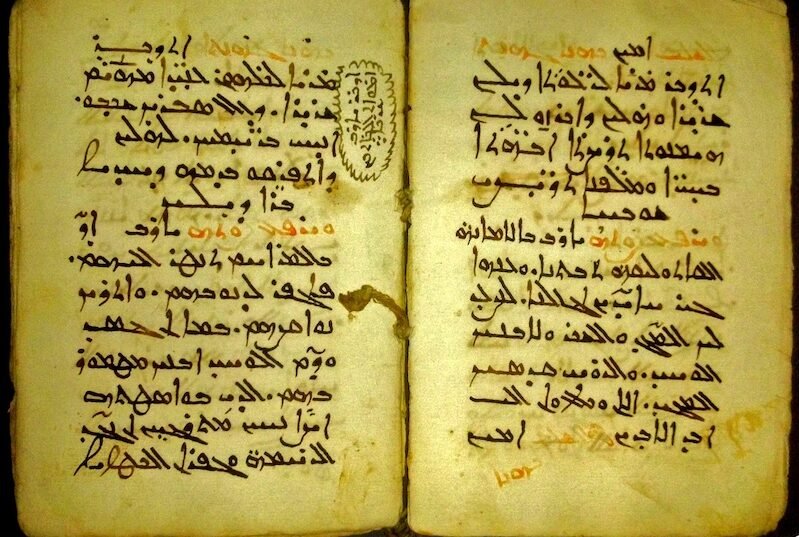
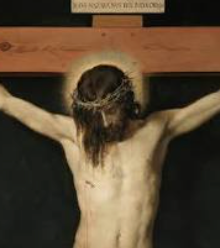
The arrest, crucifixion, death, and burial of Jesus Christ of Nazareth are reported by independent sources that show no sign of literary collusion — early letters, oral creeds, narrative Gospels, hymns, and hostile non-Christian writers all agreeing on the same core sequence of events.
This anchor page groups the cumulative testimony into five (formerly six) lines of attestation: Multiple Independent Sources (Mark, Matthew, Luke, John, Paul, Acts); Undesigned Coincidences (incidental cross-confirmations between accounts); Early Creeds (fixed formulae predating the written Gospels); Aramaic Traces (Semitic substrata pointing to eyewitness origin); and the Criterion of Embarrassment (costly details the early church would not have invented). Together they form the strongest single case that the crucifixion is historical bedrock, accepted as such by mainstream skeptical and confessional scholars alike.
Multiple Independent Sources
Six independent literary streams name the crucifixion: Mark, Matthew (M source), Luke (L source), John, Paul’sletters, and the Acts kerygma — sources that did not copy one another yet agree on the central event.
Undesigned Coincidences
Incidental cross-confirmations — Pilate’s Passover custom, Roman vs Jewish timekeeping, the penitent thief, the women’s name lists, Pilate’s wife matching Roman provincial practice — fill gaps each Gospel leaves unexplained.
Early Creeds
Pre-Pauline formulae such as 1 Corinthians 15:3–5, Philippians 2:6–11, Romans 4:25, and 1 Peter 3:18 crystallized the death-and-resurrection confession within 5–10 years of the crucifixion itself.
Aramaic Traces
Transliterated Aramaic phrases retained in Greek Gospels — “Eloi, Eloi,” “Abba,” “Talitha cumi,” “Maranatha” — point to a Palestinian oral substratum originating within the first decade after the crucifixion.
Criterion of Embarrassment
Details the early church would never have invented: a crucified Messiah as “stumbling block,” the apostles’ flight, Peter’s threefold denial, the cry of dereliction, female primary witnesses, and burial by a Sanhedrin member.
Multiple Literary Forms
The crucifixion appears across at least five distinct literary genres: narrative prose (Gospels), epistolary (Pauline letters), hymnic (Philippians 2), creedal (1 Corinthians 15), and kerygmatic sermon (Acts 2) — recognized by scholars as a distinct sub-criterion of authenticity.
Multiple Independent Sources
John 19 – An Independent Eyewitness Crucifixion Account
The Gospel of John, c. AD 85–95; independent of the Synoptics“There they crucified him, and two other with him, on either side one, and Jesus in the midst.”John the Apostle (c. AD 6–100) preserves a Passion narrative that diverges materially from Mark at multiple points: the chronology of Pilate’s interrogation, the trilingual titulus, the seamless tunic, the spear wound and “blood and water,” and the mother of Jesus at the cross. Most scholars regard John as drawing on an independent tradition rather than copying Mark, making his account a second independent literary witness to the crucifixion. Citation: John the Apostle, John 19:18, KJV.File Under: Jesus Christ > Multiple Attestation > Johannine Tradition | Cross-References: The Crucifixion | New Testament
Matthew 27 – Independent Jewish-Christian Witness to the Cross
The Gospel of Matthew, c. AD 50–70“Then were there two thieves crucified with him, one on the right hand, and another on the left.”Matthew the Apostle (first century AD; exact dates unknown) used Mark as a base but supplemented him with substantial unique material — often designated the “M” source — including the dream of Pilate’s wife, the earthquake at Jesus’ death, the rising of saints, and the bribe paid to the Roman guards. Matthew’s additional details reflect an independent tradition stream, not editorial invention, and corroborate the crucifixion’s historicity from a Jewish-Christian perspective. Citation: Matthew the Apostle, Matthew 27:38, KJV.File Under: Jesus Christ > Multiple Attestation > Matthean Tradition | Cross-References: The Crucifixion | New Testament
Luke 23 – Independent Investigation by a Gentile Chronicler
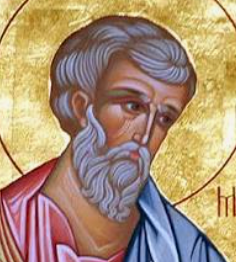
The Gospel of Luke, c. AD 60–80; independent of Mark at points“And when they were come to the place, which is called Calvary, there they crucified him, and the malefactors, one on the right hand, and the other on the left.”Luke the Evangelist (first century AD; exact dates unknown) explicitly states in his prologue that he “traced the course of all things accurately from the very first” (Luke 1:3, KJV margin). Luke draws on Mark but also on a distinct “L” tradition preserved from eyewitness interrogation. His unique Passion details — the penitent thief, the daughters of Jerusalem, the forgiven criminal, the centurion’s “certainly this was a righteous man” — are independently attested material. F. F. Bruce (1910–1990) called Luke “a writer of habitual accuracy.” Citation: Luke the Evangelist, Luke 23:33, KJV.File Under: Jesus Christ > Multiple Attestation > Lukan Tradition | Cross-References: Evidence for Jesus Quotes | New Testament
Paul’s Letters – The Earliest Written Witness to the Cross
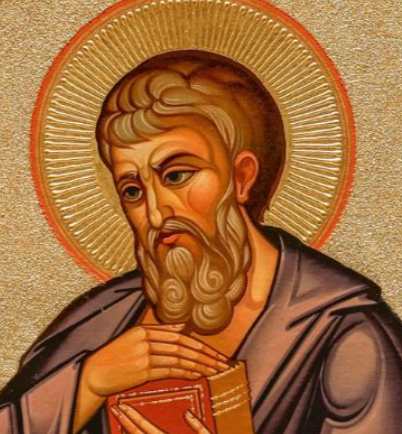
Paul the Apostle, letters dated c. AD 50–60“For I determined not to know any thing among you, save Jesus Christ, and him crucified.”Paul the Apostle (c. AD 5–c. 64/67) wrote his surviving letters roughly 15–25 years after the crucifixion — earlier than any of the four Gospels. He was not a follower of Jesus during his earthly ministry and claims independent revelation (Galatians 1:11–12), yet his testimony to Jesus’ death by crucifixion is unambiguous and pervasive across Romans, 1 and 2 Corinthians, Galatians, Philippians, and 1 Thessalonians. Paul represents a fifth independent literary stream attesting the crucifixion, entirely independent of Mark’s literary tradition. Citation: Paul the Apostle, 1 Corinthians 2:2, KJV.File Under: Jesus Christ > Multiple Attestation > Pauline Letters | Cross-References: The Crucifixion | New Testament
Acts 2 – Apostolic Preaching Independently Proclaimed the Cross
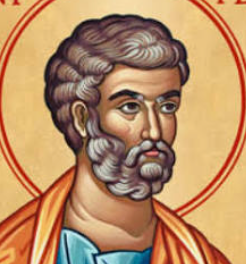
Acts, c. AD 62–85; preserves early Jerusalem kerygma“Him, being delivered by the determinate counsel and foreknowledge of God, ye have taken, and by wicked hands have crucified and slain.”Acts preserves the earliest apostolic preaching — likely originating in Aramaic in the Jerusalem church before Luke translated it into Greek. Peter the Apostle (died c. AD 64–67) is reported declaring within weeks of the event, in the very city where Jesus was executed, that the Jerusalem crowd had “crucified and slain” him. The early speeches in Acts 2, 3, 4, 5, 10, and 13 therefore constitute a sixth independent attestation stream, rooted in Semitic oral proclamation predating the written Gospels. Citation: Luke the Evangelist, Acts 2:23, KJV.File Under: Jesus Christ > Multiple Attestation > Apostolic Kerygma | Cross-References: The 12 Apostles | New Testament
Undesigned Coincidences
John 18:28 vs Mark 15 – The Passover Custom Coincidence
John 18:28, 39; Mark 15:6 KJV — independent accounts of Pilate’s custom“But ye have a custom, that I should release unto you one at the passover: will ye therefore that I release unto you the King of the Jews?”John mentions almost in passing that the Jewish leaders would not enter Pilate’s praetorium “to eat the passover” (John 18:28), then introduces the custom of releasing a prisoner at Passover. Mark independently reports the same custom (Mark 15:6) without explanation, as if already familiar to his readers. Neither Gospel explains the other’s framing — yet together they reveal a Roman-Jewish political accommodation typical of Pilate’s administration. This kind of under-the-radar agreement, where each author fills a gap the other leaves unaddressed, is what William Paley (1743–1805) and Timothy McGrew call an “undesigned coincidence” — a hallmark of independent truthfulness rather than coordinated fiction. Citation: John the Apostle, John 18:28, 39, KJV; Mark the Evangelist, Mark 15:6, KJV.File Under: Jesus Christ > Multiple Attestation > Undesigned Coincidences | Cross-References: The Crucifixion | Historical Sources for Jesus
John 19:14 vs Mark 15:25 – The Third/Sixth Hour Time Coincidence
John 19:14; Mark 15:25, KJV — apparent discrepancy explained by Roman reckoning“And it was the preparation of the passover, and about the sixth hour: and he saith unto the Jews, Behold your King!”Mark says Jesus was crucified at the “third hour” (Mark 15:25), while John says Pilate’s final sentence came “about the sixth hour” (John 19:14) — a discrepancy long cited by skeptics as a contradiction. The undesigned coincidence emerges when one notes that Roman official documents, including Pliny the Elder’s references (AD 23–79), counted hours from midnight (as modern reckoning does), while Mark clearly follows Jewish reckoning from sunrise. Pilate, a Roman official speaking to Roman troops, would naturally use Roman time. John therefore preserves a Roman administrative detail Mark would not have known — the two authors using different calendars produce a reconcilable pattern rather than a fake agreement. Citation: John the Apostle, John 19:14, KJV; Mark the Evangelist, Mark 15:25, KJV; cf. Pliny the Elder, Natural History 2.77.File Under: Jesus Christ > Multiple Attestation > Undesigned Coincidences | Cross-References: The Crucifixion | Historical Sources for Jesus
The Penitent Thief – Luke’s Unique Tradition Fills Mark’s Silence
The Women at the Cross – Independent Name Lists Across Gospels
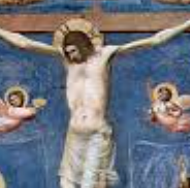
Matthew 27:55–56; Mark 15:40–41; John 19:25, KJV“Now there stood by the cross of Jesus his mother, and his mother’s sister, Mary the wife of Cleophas, and Mary Magdalene.”Each Gospel independently lists women watching the crucifixion, and the lists differ in ways consistent with separate eyewitness memory. Mark the Evangelist names Mary Magdalene, Mary the mother of James the less and Joses, and Salome. Matthew the Apostle names Mary Magdalene, Mary the mother of James and Joses, and the mother of Zebedee’s children. John the Apostle names Jesus’ mother, His mother’s sister, Mary wife of Clopas, and Mary Magdalene. The overlapping-yet-distinct pattern with no sign of mutual coordination is exactly what critical historians expect from independent witnesses reporting the same event. Citation: Matthew 27:55–56, KJV; Mark 15:40–41, KJV; John 19:25, KJV.File Under: Jesus Christ > Multiple Attestation > Undesigned Coincidences | Cross-References: The Crucifixion | Jesus’ Life & Ministry
Joseph of Arimathea – All Four Gospels Independently Name the Burier
Matthew 27:57–60; Mark 15:43–46; Luke 23:50–53; John 19:38, KJV“And now when the even was come, because it was the preparation, that is, the day before the sabbath, Joseph of Arimathaea, an honourable counsellor… came, and went in boldly unto Pilate, and craved the body of Jesus.”All four Gospels — including John the Apostle, who otherwise operates independent of Mark — independently name Joseph of Arimathaea, a member of the Sanhedrin, as the one who secured Jesus’ body from Pilate and buried him in a rock-cut tomb. Multiple independent attestation of a single named individual is historically significant: the named eyewitness is the kind of detail early critics could easily have exposed as false. Joseph’s being a member of the council that condemned Jesus is also an embarrassment — exactly the kind of detail the criterion of embarrassment treats as authentic. Citation: Mark the Evangelist, Mark 15:43, KJV; cf. Matthew 27:57–60; Luke 23:50–53; John 19:38, KJV.File Under: Jesus Christ > Multiple Attestation > Undesigned Coincidences | Cross-References: The Crucifixion | The Resurrection
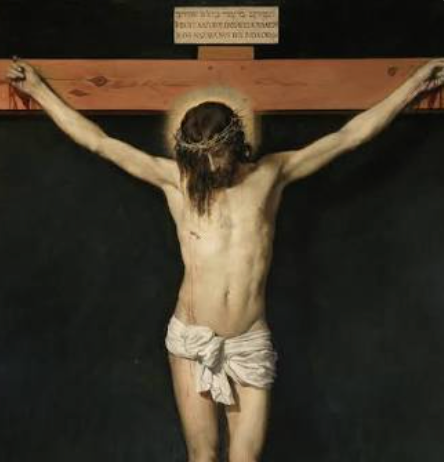
Pilate’s Wife – Matthew’s Unique Footnote Matches Roman Practice
Matthew 27:19, KJV — unique M tradition confirming Roman domestic presence“When he was set down on the judgment seat, his wife sent unto him, saying, Have thou nothing to do with that just man: for I have suffered many things this day in a dream because of him.”Matthew alone records that Pilate’s wife sent her husband a warning during the trial. The detail is a hallmark of undesigned coincidence: Roman provincial governors routinely brought their wives on assignment, and inscriptions and coins attest that Pilate’s own predecessor Valerius Gratus and his successor Marcellus served with their families in Caesarea. Matthew’s incidental detail matches independent Roman administrative practice known from other sources. No Synoptic counterpart mentions the wife — the kind of unprompted, uncoordinated agreement expected of truthful testimony. Citation: Matthew the Apostle, Matthew 27:19, KJV; cf. Roman provincial practice in A. N. Sherwin-White, Roman Society and Roman Law in the New Testament (1963).File Under: Jesus Christ > Multiple Attestation > Undesigned Coincidences | Cross-References: The Crucifixion | Historical Sources for Jesus
Early Creeds
1 Corinthians 15:3-5 – The Earliest Pre-Pauline Resurrection Creed
Paul the Apostle, 1 Corinthians, c. AD 54–55“For I delivered unto you first of all that which I also received, how that Christ died for our sins according to the scriptures; And that he was buried, and that he rose again the third day according to the scriptures: And that he was seen of Cephas, then of the twelve.”Paul the Apostle uses the technical rabbinic formula “delivered… received” (Greek paradidomi / paralambano), signaling that he is passing on pre-existing tradition. Critical scholars including Joachim Jeremias (1900–1979), Gerd Lüdemann (1954–2024), and James D. G. Dunn (1939–2020) date this formula to within 5–8 years of the crucifixion itself. The non-Pauline vocabulary, parallelism, and use of the Aramaic “Cephas” (rather than “Peter”) point to a Semitic-origin creed composed and used by the Jerusalem church before Paul ever joined it. This is the earliest literary witness to Jesus’ death, burial, and resurrection in existence. Citation: Paul the Apostle, 1 Corinthians 15:3–5, KJV.File Under: Jesus Christ > Multiple Attestation > Early Creeds | Cross-References: The Resurrection | New Testament
Philippians 2:6-11 – The Christ-Hymn Embeds the Crucifixion
Paul the Apostle, Philippians, c. AD 60–62“And being found in fashion as a man, he humbled himself, and became obedient unto death, even the death of the cross.”Paul the Apostle quotes an early Christian hymn (vv. 6–11) that scholars including Ralph Martin, Ernst Lohmeyer (1890–1946), and Gordon Fee (1938–2019) date to the AD 30s — perhaps within ten years of the crucifixion. The hymn’s poetic structure (descending Christology — heaven, incarnation, cross — then ascending — exaltation, universal confession) was most likely sung in Aramaic and Greek worship before Paul incorporated it into his letter. Its high view of Jesus already coexists with explicit mention of “the death of the cross” — proving that the crucifixion was not a later theological development but stood at the heart of the very earliest worship. Citation: Paul the Apostle, Philippians 2:8, KJV.File Under: Jesus Christ > Multiple Attestation > Early Creeds | Cross-References: The Crucifixion | The Resurrection
Romans 4:25 – The Earliest Embedded Confession on the Death
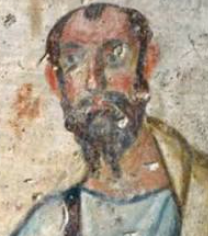
1 Timothy 3:16 – The “Mystery of Godliness” Hymn Names the Cross
1 Timothy 3:16, KJV — early Christian hymn“And without controversy great is the mystery of godliness: God was manifest in the flesh, justified in the Spirit, seen of angels, preached unto the Gentiles, believed on in the world, received up into glory.”Scholars including Donald Guthrie (1916–1992) and I. Howard Marshall (1934–2015) identify 1 Timothy 3:16 as a fragment of an early Christian hymn or confession predating the Pastoral Epistles. The six-line structure (manifested in flesh, justified in Spirit, seen by angels, preached among nations, believed on in world, received in glory) encapsulates the entire Christ-event in liturgical form. While the cross is implicit rather than named, the confession assumes the Son’s earthly mission — incarnation, public vindication, proclamation, exaltation — that early Christianity never separated from the crucifixion. Citation: 1 Timothy 3:16, KJV.File Under: Jesus Christ > Multiple Attestation > Early Creeds | Cross-References: New Testament | The Crucifixion
1 Peter 3:18 – A Pre-Petrine Confession of Christ’s Death
1 Peter 3:18, KJV — likely pre-Petrine confession“For Christ also hath once suffered for sins, the just for the unjust, that he might bring us to God, being put to death in the flesh, but quickened by the Spirit.”Peter the Apostle (died c. AD 64–67) incorporates a tightly parallelized confession — “put to death in the flesh, quickened by the Spirit” — that scholars such as Egger W. appropriate as pre-existing traditional material. The “just for the unjust” formula parallels Paul’s “Christ died for our sins” (1 Corinthians 15:3) and Isaiah 53:11, indicating that the early church had multiple creedal formulations of the crucifixion circulating in parallel. The coupling of cross-and-resurrection in such compressed form demonstrates how rapidly the crucifixion was normalized as the central Christian confession. Citation: 1 Peter 3:18, KJV.File Under: Jesus Christ > Multiple Attestation > Early Creeds | Cross-References: The Crucifixion | Messianic Prophecies
Acts 2:22-36 – The Earliest Recorded Apostolic Kerygma
Acts 2:22–36, KJV — Petrine sermon at Pentecost“Ye men of Israel, hear these words; Jesus of Nazareth, a man approved of God among you by miracles and wonders and signs… Him, being delivered by the determinate counsel and foreknowledge of God, ye have taken, and by wicked hands have crucified and slain.”Acts 2 records Peter the Apostle‘s Pentecost sermon, generally judged by scholars including Martin Hengel (1926–2009) and Richard Bauckham (born 1947) to preserve an early Aramaic-era kerygma subsequently translated into Greek. The sermon’s structure — Jesus’ approved ministry, His crucifixion by “wicked hands,” His resurrection according to Psalm 16, His exaltation — was the foundational Christian proclamation in Jerusalem within weeks of the crucifixion. The confession that the cross was inflicted by “wicked hands” on a Jesus “approved by God” anchored the earliest apostolic message to public historical events, not private mystical visions. Citation: Luke the Evangelist, Acts 2:22–36, KJV.File Under: Jesus Christ > Multiple Attestation > Early Creeds | Cross-References: The 12 Apostles | The Crucifixion
Aramaic Traces
Mark 15:34 – The Cry of Dereliction Preserved in Aramaic
Mark 15:34, KJV — Aramaic cry on the cross“And at the ninth hour Jesus cried with a loud voice, saying, Eloi, Eloi, lama sabachthani? which is, being interpreted, My God, my God, why hast thou forsaken me?”Mark the Evangelist preserves Jesus’ final cry in transliterated Aramaic — “Eloi, Eloi, lama sabachthani” — followed by a Greek translation for his readers. The retention of Aramaic on the lips of a dying Jesus is exactly what one expects if Mark is passing on tradition rooted in the actual words of an Aramaic-speaking witness. The German scholar Joachim Jeremias (1900–1979) and the British scholar Maurice Casey (1942–2013) both argued that the presence of untranslated Aramaic in otherwise Greek Markan narrative is strong evidence of an Aramaic oral substratum originating with the original Palestinian community. Citation: Mark the Evangelist, Mark 15:34, KJV.File Under: Jesus Christ > Multiple Attestation > Aramaic Traces | Cross-References: The Crucifixion | New Testament
Mark 14:36 – “Abba” Preserved in Gethsemane Tradition
Mark 14:36, KJV — Aramaic address in the Passion“And he said, Abba, Father, all things are possible unto thee; take away this cup from me: nevertheless not what I will, but what thou wilt.”Mark retains Jesus’ Aramaic address “Abba” alongside the Greek “Father” in the Gethsemane prayer, immediately preceding the arrest and crucifixion. Mark the Evangelist would not have needed to preserve the Aramaic if he were inventing the scene in Greek. Paul the Apostle also preserves “Abba” in Romans 8:15 and Galatians 4:6 — independently confirming that this intimate Aramaic term had become characteristic of Christian prayer from the earliest days. This Aramaic fossil in a Greek text indicates a Palestinian eyewitness source behind the Passion narrative. Citation: Mark the Evangelist, Mark 14:36, KJV; Paul the Apostle, Romans 8:15, KJV; Galatians 4:6, KJV.File Under: Jesus Christ > Multiple Attestation > Aramaic Traces | Cross-References: The Crucifixion | New Testament
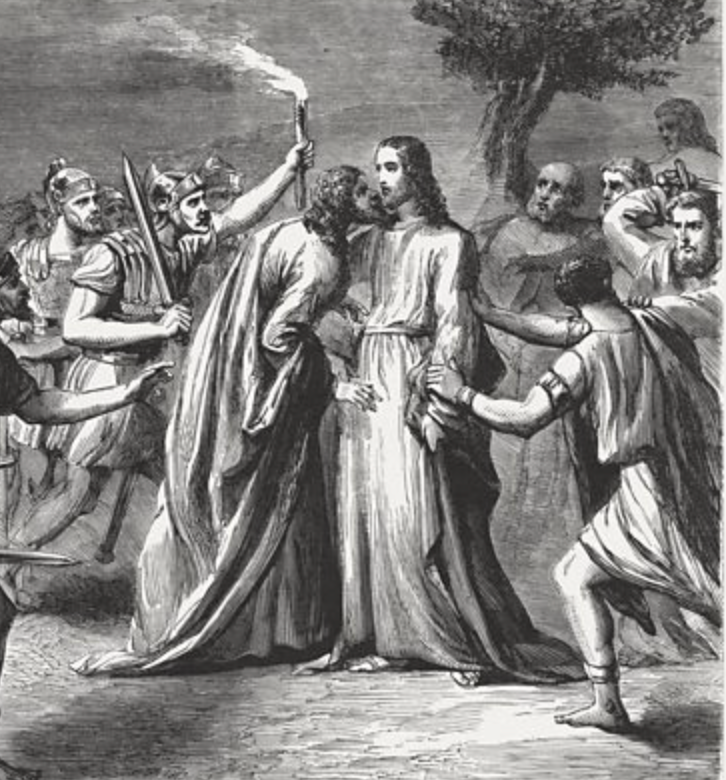
1 Corinthians 16:22 – “Maranatha” Aramaic Prayer in a Greek Letter
1 Corinthians 16:22, KJV — Aramaic liturgical formula in Paul“If any man love not the Lord Jesus Christ, let him be Anathema Maranatha.”Paul the Apostle, writing to a Greek-speaking Corinthian church around AD 54, closes his letter with an untranslated Aramaic phrase “Maranatha” — “Our Lord, come!” The preservation of Aramaic liturgy in a Greek overseas congregation is decisive evidence of a shared Semitic worship tradition predating Paul’s mission. Joachim Jeremias (1900–1979) argued that the phrase originated in Aramaic-speaking Palestinian worship in the AD 30s, and that its continued untranslated use in Corinth proves continuity between the Jerusalem church and Pauline Gentile congregations. This is the kind of evidence that ties the entire Pauline kerygma — including the cross — back to original Aramaic-speaking eyewitnesses. Citation: Paul the Apostle, 1 Corinthians 16:22, KJV.File Under: Jesus Christ > Multiple Attestation > Aramaic Traces | Cross-References: New Testament | Historical Sources for Jesus
Mark 5:41 – “Talitha Cumi” Marks an Aramaic Substratum

Semitisms in John’s Passion Narrative Indicate Early Source
Gospel of John, c. AD 85–95; Semitic source layer“When Jesus therefore had received the vinegar, he said, It is finished: and he bowed his head, and gave up the ghost.”Although John the Apostle‘s Gospel is the most Greek-styled of the four, scholars including Raymond E. Brown (1928–1998) and Barnabas Lindars (1929–1991) identified Semitic features embedded deep in John’s Passion narrative — including Greek sentences that follow Aramaic word order, paratactic sentence structure chained by “and,” and vocabulary shaped by Aramaic idioms. The presence of Semitic underlays in a Gospel otherwise written in good Greek suggests the Passion narrative in particular was rooted in early Palestinian testimony that John independently preserved rather than invented. This is a separate Aramaic tradition stream from Mark’s, making it independent attestation. Citation: John the Apostle, John 19:30, KJV; cf. Raymond E. Brown, The Gospel According to John (Anchor Bible, 1970).File Under: Jesus Christ > Multiple Attestation > Aramaic Traces | Cross-References: The Crucifixion | New Testament
Jeremias on Aramaic Substratum – Crystallized in the AD 30s
Joachim Jeremias, German Lutheran scholar (1900–1979)“The Aramaic layer underlying the synoptic tradition reaches back to a very early period… and betrays an origin in the Palestinian community of the first decade.”Joachim Jeremias (1900–1979), professor at the University of Göttingen and one of the twentieth century’s leading specialists in the Aramaic background of the Gospels, argued throughout The Eucharistic Words of Jesus (German original 1949; English 1966) and New Testament Theology (1971) that segments of the Passion narrative — particularly the Last Supper words, Gethsemane, and the cry of dereliction — preserve verbatim Aramaic material from the original Palestinian community. His work showed that the Passion was not a Greek retelling decades after the fact but a tradition anchored in Aramaic-speaking eyewitnesses within the first decade after the crucifixion. Citation: Joachim Jeremias, The Eucharistic Words of Jesus (1966); New Testament Theology (1971).File Under: Jesus Christ > Multiple Attestation > Aramaic Traces | Cross-References: Evidence for Jesus Quotes | Historical Sources for Jesus
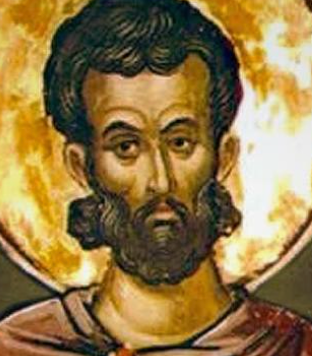
Criterion of Embarrassment
1 Corinthians 1:23 – The Cross Was a “Stumbling Block” – Not an Invention
Paul the Apostle, 1 Corinthians, c. AD 54–55“But we preach Christ crucified, unto the Jews a stumblingblock, and unto the Greeks foolishness.”Paul the Apostle openly admits that the message he preaches was a public relations catastrophe: a “stumbling block” to Jews (because Deuteronomy 21:23 declares anyone hung on a tree cursed of God) and “foolishness” to Greeks (because Roman crucifixion was reserved for the lowest slaves and rebels). No fabricated messiah narrative would voluntarily choose this liability as its centerpiece. The criterion of embarrassment — a tool long used by critical historians including John Meier (1942–2022) and Gerd Theissen — counts precisely such costly, counterintuitive claims as authentic because they would not have been invented by the early movement. Citation: Paul the Apostle, 1 Corinthians 1:23, KJV.File Under: Jesus Christ > Multiple Attestation > Criterion of Embarrassment | Cross-References: The Crucifixion | New Testament
Mark 14:50 – The Disciples Fled – an Apostolic Confession of Failure
Mark 14:50, KJV — covered by multiple Gospels“And they all forsook him, and fled.”All four Gospels report that the inner circle of disciples abandoned Jesus at His arrest (Mark 14:50; Matthew 26:56; John 16:32). The criterion of embarrassment counts this as authentic because the early church would never have invented a story in which its own apostolic founders — the movement’s spiritual authorities — deserted their Lord in His hour of greatest need. The unanimous embrace of this humiliating detail is striking testimony to the historical bedrock of the Passion: the cross was a public event the apostles could neither hide nor embroider in their own favor. Citation: Mark the Evangelist, Mark 14:50, KJV; Matthew the Apostle, Matthew 26:56, KJV; John the Apostle, John 16:32, KJV.File Under: Jesus Christ > Multiple Attestation > Criterion of Embarrassment | Cross-References: The 12 Apostles | The Crucifixion
Luke 22:54-62 – Peter Denied Christ Three Times Before Witnesses
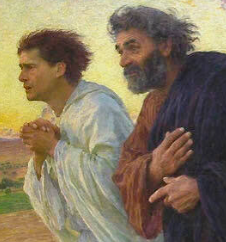
Mark 15:34 – The Cry of Dereliction Was a Public Embarrassment
Mark 15:34, KJV — cry of abandonment“My God, my God, why hast thou forsaken me?”The “cry of dereliction” — Jesus publicly calling out His sense of abandonment by God — was a serious theological embarrassment to early Christianity. Several Church Fathers including Origen of Alexandria (c. AD 185–254) struggled to interpret it, some proposing that Jesus spoke the words only from His human nature or merely quoted Psalm 22 prophetically. The very existence of such apologetic gymnastics demonstrates that the cry was felt to be awkward — yet all three Synoptic Gospels independently preserve it (Mark 15:34; Matthew 27:46), and John alludes to it implicitly. Had the early church invented the crucifixion narrative, the cry would have been quietly omitted. Its preservation is itself evidence of authentic transmission. Citation: Mark the Evangelist, Mark 15:34, KJV; Matthew the Apostle, Matthew 27:46, KJV.File Under: Jesus Christ > Multiple Attestation > Criterion of Embarrassment | Cross-References: The Crucifixion | Old Testament
John 19:26-27 – Women as the Faithful Witnesses at the Cross
John 19:25–27, KJV — low social status witnesses“Now there stood by the cross of Jesus his mother, and his mother’s sister, Mary the wife of Cleophas, and Mary Magdalene. When Jesus therefore saw his mother, and the disciple standing by, whom he loved…”All four Gospels report women — not the apostles — as the faithful witnesses at the cross and the empty tomb. John the Apostle is the lone male disciple named as present. The criterion of embarrassment applies here too: in first-century Jewish and Roman culture, the testimony of women was considered legally and socially unreliable (cf. Josephus, Antiquities 4.219; the rabbinic rule that women could not serve as legal witnesses). The early church would not have invented female primary witnesses if it were crafting a propaganda narrative. That it preserved them is itself a hallmark of authentic memory. Citation: John the Apostle, John 19:25–27, KJV; cf. Mark 15:40–41; Luke 23:49, KJV; Josephus, Antiquities 4.219.File Under: Jesus Christ > Multiple Attestation > Criterion of Embarrassment | Cross-References: The Resurrection | The Crucifixion
Mark 15:42-47 – Jesus Buried by a Sanhedrin Member, Not a Disciple
Mark 15:42–47, KJV — embarrassment of hostile burial“Joseph of Arimathaea… an honourable counsellor… came, and went in boldly unto Pilate, and craved the body of Jesus… And he bought fine linen, and took him down, and wrapped him in the linen, and laid him in a sepulchre which was hewn out of a rock.”Mark the Evangelist reports that Jesus was buried not by the apostles — who had fled — but by Joseph of Arimathaea, a member of the very Sanhedrin that had condemned Jesus. The early church would have preferred a story in which the apostles tenderly buried their Lord. Instead, the oldest tradition makes a member of the condemning council the burier — a detail that is independently attested by all four Gospels and dates to the earliest layer of the Passion narrative. The embarrassment of an enemy-side burial is precisely the kind of detail critical scholars (e.g., Raymond Brown in The Death of the Messiah, 1994) treat as authentic. Citation: Mark the Evangelist, Mark 15:42–47, KJV; John the Apostle, John 19:38, KJV.File Under: Jesus Christ > Multiple Attestation > Criterion of Embarrassment | Cross-References: The Crucifixion | The Resurrection