Micah 5:2 – Predicts Nativity Event in Bethlehem
Micah 5:2 prophecy 700 BC; fulfilled by Matthew 2:1“But thou, Bethlehem Ephratah, though thou be little among the thousands of Judah, yet out of thee shall he come forth unto me that is to be ruler in Israel; whose goings forth have been from of old, from everlasting.”Written roughly 700 years before Jesus’s birth, Micah the Prophet (eighth century BC) names a specific, small village as the Messiah’s birthplace — a detail with no strategic reason to invent, since Bethlehem held no political significance in Micah’s day. Citation: Micah the Prophet, Micah 5:2, KJV.File Under: Jesus Christ > Nativity & Early Life > Bethlehem Birthplace | Cross-References: Fulfilled Prophecies | Messianic Prophecies
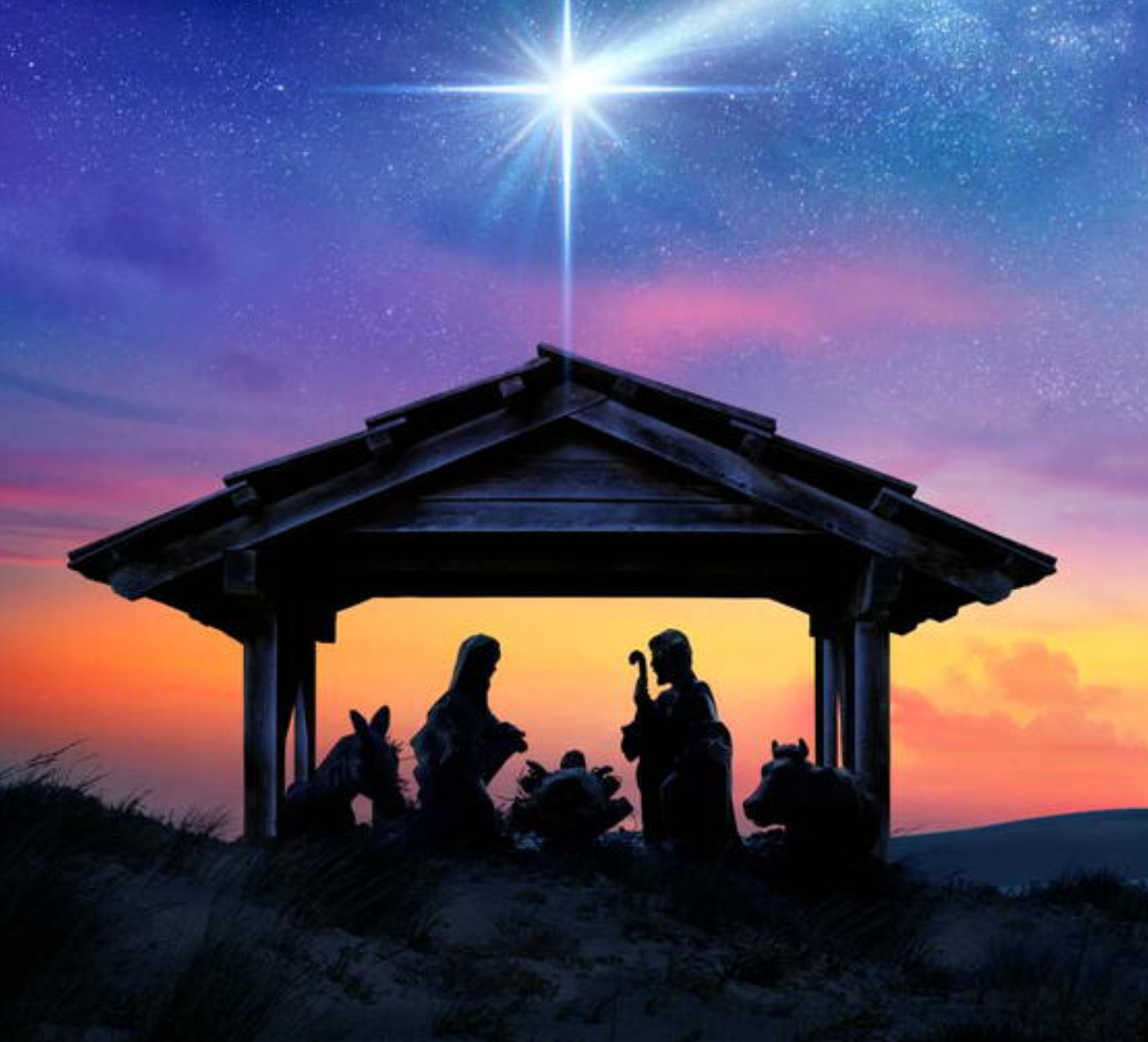
Matthew 2:1 – Herod’s Scribes Quote Micah’s Prophecy
Matthew 2:1 cites Micah’s 5:2 predictions of the birth of Jesus“Now when Jesus was born in Bethlehem of Judaea in the days of Herod the king… And they said unto him, In Bethlehem of Judaea: for thus it is written by the prophet.”Matthew the Apostle (first century AD; exact dates unknown) records that it was Herod’s own chief priests and scribes — not Jesus’s followers — who identified Bethlehem from Micah’s prophecy, an admission from a hostile source with no motive to help Christian claims. Citation: Matthew the Apostle, Matthew 2:1–6, KJV.File Under: Jesus Christ > Nativity & Early Life > Bethlehem Birthplace | Cross-References: Fulfilled Prophecies
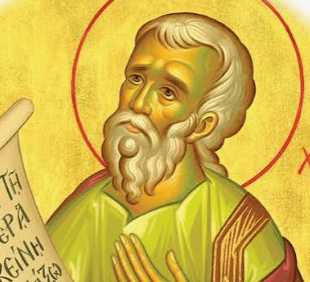
Isaiah 7:14 – Isaiah Predicts the Virgin Birth of Immanuel
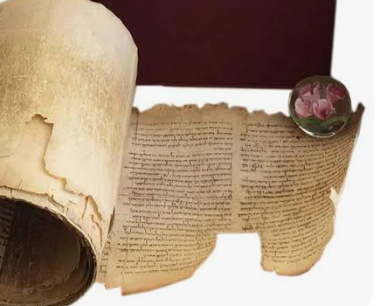
Isaiah 7:14 — written c. 735 BC predicting virgin birth“Therefore the Lord himself shall give you a sign; Behold, a virgin shall conceive, and bear a son, and shall call his name Immanuel.”This verse from Isaiah the Prophet (eighth century BC) is preserved in the Great Isaiah Scroll from Qumran, dated to roughly 125 BC — physical proof the prophecy predates Jesus’s birth by well over a century. Citation: Isaiah the Prophet, Isaiah 7:14, KJV.File Under: Jesus Christ > Nativity & Early Life > Annunciation & Mary | Cross-References: Messianic Prophecies
Matthew 1:22–23 – The Virgin Birth Prophecy Is Fulfilled
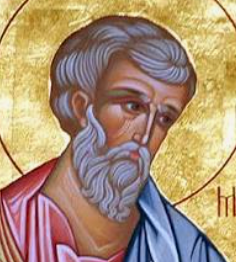
Matthew 1:22–23 fulfills virgin birth predicted in Isaiah 7:14
“Now all this was done, that it might be fulfilled which was spoken of the Lord by the prophet, saying, Behold, a virgin shall be with child, and shall bring forth a son, and they shall call his name Emmanuel.”Matthew the Apostle (first century AD; exact dates unknown) directly quotes Isaiah, tying Jesus’s unusual conception to a specific, pre-existing text rather than presenting it as an isolated, unprecedented claim. Citation: Matthew the Apostle, Matthew 1:22–23, KJV.File Under: Jesus Christ > Nativity & Early Life > Annunciation & Mary | Cross-References: Messianic Prophecies
Luke 2:1–7 – The Manger and the Bethlehem Census
Luke 2:1–7; Jesus stays at the manger“And she brought forth her firstborn son, and wrapped him in swaddling clothes, and laid him in a manger; because there was no room for them in the inn.”Luke the Evangelist (first century AD; exact dates unknown) ties the birth to a named, checkable Roman administrative event — a taxation decree under Caesar Augustus — grounding the narrative in real imperial history rather than vague, undated legend. Citation: Luke the Evangelist, Luke 2:1–7, KJV.File Under: Jesus Christ > Nativity & Early Life > Census & Bethlehem | Cross-References: History

Luke 2:8–14 – Shepherds Receive the News of Jesus’ Birth
Luke 2:8–14; ‘Born…Christ the Lord’“And the angel said unto them, Fear not: for, behold, I bring you good tidings of great joy, which shall be to all people. For unto you is born this day in the city of David a Saviour, which is Christ the Lord.”Shepherds — among the lowest-status witnesses in first-century Judea — are named as the first to hear the announcement, a detail that gains credibility under the Criterion of Embarrassment rather than being a flattering invention. Citation: Luke the Evangelist (first century AD; exact dates unknown), Luke 2:8–14, KJV.File Under: Jesus Christ > Nativity & Early Life > Bethlehem Birthplace | Cross-References: Evidence for Jesus Quotes

[/su_column]Nazareth: The Village Skeptics Said Didn’t Exist
Dr. Yardenna Alexandre, archaeologist, Israel Antiquities Authority“Our excavations beneath modern Nazareth have uncovered a first-century Jewish village — with a house, storage pits, and a rock-cut winepress — dating to the time of Jesus. This definitively refutes the claim that Nazareth did not exist in the first century. Jesus of Nazareth had a real hometown.”Archaeologist Yardenna Alexandre excavated a first-century dwelling beneath modern Nazareth, confirming the hometown named in Matthew 2:23“And he came and dwelt in a city called Nazareth: that it might be fulfilled which was spoken by the prophets, He shall be called a Nazarene.”. The dig ended the claim that Nazareth was invented.The 2009 discovery recovered domestic walls, pottery, ritual-purity features, and agricultural installations — the signature of a small, observant Jewish farming village. It matters because “Jesus of Nazareth” was long attacked as a title for a place that supposedly did not yet exist; the material record shows a real settlement in the Gospel period. Evidence: first-century domestic architecture, pottery, and agricultural installations beneath modern Nazareth. Citation: Yardenna Alexandre, Israel Antiquities Authority Nazareth excavation report, 2009.File Under: Jesus’ Ministry > Historical Evidence > Nazareth
Cross Reference: Nativity & Early Life | The Cumulative Case
Numbers 24:17 – Balaam’s Star Prophecy in the Torah
Numbers 24:17 — written centuries before Christ“There shall come a Star out of Jacob, and a Sceptre shall rise out of Israel.”This is one of the oldest messianic texts in the Torah, and later Jewish tradition — including at Qumran — read it as pointing to a future king, which may explain why Gentile astrologers connected a celestial sign to a Judean king. Citation: Moses, Numbers 24:17, KJV.File Under: Jesus Christ > Nativity & Early Life > Star of Bethlehem | Cross-References: Messianic Prophecies

Matthew 2:1–2 – The Wise Men See ‘His Star in the East’
Matthew 2:1–2“Saying, Where is he that is born King of the Jews? for we have seen his star in the east, and are come to worship him.”The Magi were most likely Babylonian or Persian astrologers/astronomers — a class known from secular history to study celestial phenomena for political omens, consistent with the Gospel’s description of their profession. Citation: Matthew the Apostle (first century AD; exact dates unknown), Matthew 2:1–2, KJV.File Under: Jesus Christ > Nativity & Early Life > The Magi & Gifts | Cross-References: Messianic Prophecies

The Star of Bethlehem: Astronomical Explanations Remain Debated
Astronomical proposals associated with Matthew 2“When they saw the star, they rejoiced with exceeding great joy.”Several natural explanations have been proposed for the Star of Bethlehem, including the Jupiter-Saturn conjunctions of 7 BC and a possible Chinese-recorded celestial event around 5 BC. Johannes Kepler (1571–1630) connected the 7 BC conjunction with Matthew’s account, though no astronomical proposal has achieved universal agreement. The enduring point is narrower: Matthew’s description belongs within the kinds of celestial phenomena ancient observers watched and interpreted. Citation: Matthew the Apostle (first century AD; exact dates unknown), Matthew 2:10, KJV; Johannes Kepler, De Stella Nova (1606).File Under: Jesus Christ > Nativity & Early Life > Star of Bethlehem | Cross-References: Ancient Chinese Sky-Records | Fulfilled Prophecies
The Magi Bring Gifts Consistent With Ancient Luxury Trade
Matthew 2:9–11 — the Magi’s gifts“And when they had opened their treasures, they presented unto him gifts; gold, and frankincense, and myrrh.”Matthew presents the Magi as visitors able to bring costly portable goods appropriate to long-distance elite trade: gold, frankincense, and myrrh. The text does not identify their homeland or number, but its gifts fit the broader commercial world linking Arabia, the Levant, and the eastern Mediterranean rather than a later anachronistic setting. Citation: Matthew the Apostle (first century AD; exact dates unknown), Matthew 2:9–11, KJV; Pliny the Elder (AD 23/24–79), Natural History, Book 12.File Under: Jesus Christ > Nativity & Early Life > The Magi & Gifts | Cross-References: Messianic Prophecies | Jesus’ Global Impact
Hosea’s Exodus Pattern Connects Israel’s Story to the Messiah
Hosea 11:1 — written in the eighth century BC“When Israel was a child, then I loved him, and called my son out of Egypt.”Hosea the Prophet (eighth century BC) first refers to Israel’s exodus from Egypt. Matthew applies the passage typologically: Israel was called out of Egypt, and the Messiah’s early life echoes Israel’s national story. This is not a claim that Hosea originally predicted a flight by name; it is Matthew’s theological reading of an earlier biblical pattern. Citation: Hosea the Prophet, Hosea 11:1, KJV; Matthew the Apostle, Matthew 2:13–15, KJV.File Under: Jesus Christ > Nativity & Early Life > Flight Into Egypt | Cross-References: Old Testament | Historical Prophecies
The Flight Into Egypt Fits the Political Geography of Herod’s Rule

Matthew 2:13–15 — refuge beyond Herod’s jurisdiction
“When he arose, he took the young child and his mother by night, and departed into Egypt: And was there until the death of Herod.”Egypt lay beyond Herod the Great‘s kingdom and contained large Jewish communities, especially in Alexandria. That makes the destination intelligible as a refuge: it was near Judea, outside Herod’s authority, and home to an established diaspora population. Citation: Matthew the Apostle (first century AD; exact dates unknown), Matthew 2:13–15, KJV; Philo of Alexandria (c. 20 BC–AD 50), Against Flaccus 55.File Under: Jesus Christ > Nativity & Early Life > Flight Into Egypt | Cross-References: History | New Testament
Herod’s Recorded Executions Establish a Pattern of Dynastic Violence
Josephus records Herod’s violence against his own householdThe Jewish historian Flavius Josephus (c. AD 37–100) records that Herod the Great executed his wife Mariamne and later arranged the deaths of sons he suspected of threatening his rule. Josephus does not independently report Matthew’s slaughter-of-the-innocents episode; nevertheless, his record establishes the relevant historical context — Herod could act with extreme violence against perceived dynastic rivals. Citation: Flavius Josephus, Antiquities of the Jews 15.7.4–8; 16.11.7–8; 17.2.4.File Under: Jesus Christ > Nativity & Early Life > Herod the Great | Cross-References: Non-Christian Writings | The Crucifixion
Jeremiah’s Rachel Image Frames Bethlehem’s Grief Within Exile
Jeremiah 31:15 — grief first associated with exile“Thus saith the LORD; A voice was heard in Ramah, lamentation, and bitter weeping; Rahel weeping for her children refused to be comforted for her children, because they were not.”Jeremiah the Prophet (late seventh–early sixth century BC) laments Israel’s suffering in the context of Babylonian exile. Matthew reapplies the image of Rachel’s grief to the tragedy connected with Bethlehem. His use is typological: an earlier scriptural sorrow supplies language for a later sorrow, while Jeremiah 31 itself moves beyond lament toward restoration. Citation: Jeremiah the Prophet, Jeremiah 31:15–17, KJV; Matthew the Apostle, Matthew 2:16–18, KJV.File Under: Jesus Christ > Nativity & Early Life > Herod the Great | Cross-References: Old Testament | Fulfilled Prophecies
Matthew’s Slaughter Account Is Placed in a Small Bethlehem Setting
Matthew 2:16–18 — Herod’s response to the Magi“Then Herod, when he saw that he was mocked of the wise men, was exceeding wroth, and sent forth, and slew all the children that were in Bethlehem, and in all the coasts thereof, from two years old and under.”Matthew alone records this event. Because Bethlehem was a small village, the number of boys under two may have been limited rather than the large scale often imagined in later art. That small scale could help explain why no surviving independent account mentions it, but silence cannot establish either occurrence or nonoccurrence. Citation: Matthew the Apostle (first century AD; exact dates unknown), Matthew 2:16–18, KJV; Flavius Josephus, Antiquities of the Jews 15–17.File Under: Jesus Christ > Nativity & Early Life > Herod the Great | Cross-References: History | New Testament
Nazareth Becomes Home After Judea Is Ruled by Archelaus
Matthew 2:19–23 — political detail after Herod’s death“And he came and dwelt in a city called Nazareth: that it might be fulfilled which was spoken by the prophets, He shall be called a Nazarene.”Matthew says the family avoided Judea after learning that Archelaus, Herod’s son, ruled there. Josephus describes Archelaus’s harsh rule and states that Augustus eventually removed him and placed Judea under Roman administration. Matthew’s reference therefore uses a ruler and political transition known from an independent first-century historian. Citation: Matthew the Apostle (first century AD; exact dates unknown), Matthew 2:19–23, KJV; Flavius Josephus, Antiquities of the Jews 17.13.2; 17.13.4.File Under: Jesus Christ > Nativity & Early Life > Nazareth & Childhood | Cross-References: Biblical Archaeology | Jesus’ Ministry
The Temple Offering Reflects the Provision Made for Poor Families
Luke 2:22–24 and Leviticus 12:8
“And to offer a sacrifice according to that which is said in the law of the Lord, A pair of turtledoves, or two young pigeons.”Luke the Evangelist (first century AD; exact dates unknown) connects the family’s offering with the purification instructions of Leviticus. Leviticus 12 permits two birds when a woman cannot afford a lamb. The detail coheres with Luke’s presentation of a family living without elite wealth. Citation: Luke the Evangelist, Luke 2:22–24, KJV; Moses, Leviticus 12:6–8, KJV.File Under: Jesus Christ > Nativity & Early Life > Temple Presentation | Cross-References: Old Testament | New Testament
Simeon Proclaims Salvation for Israel and Light for the Nations
Luke 2:25, 29–32 — Simeon’s temple proclamation“For mine eyes have seen thy salvation… A light to lighten the Gentiles, and the glory of thy people Israel.”Simeon is presented as a devout Israelite awaiting “the consolation of Israel.” His declaration joins Israel’s hope with the inclusion of the Gentiles, language that strongly echoes Isaiah’s servant passages. Citation: Luke the Evangelist (first century AD; exact dates unknown), Luke 2:25–32, KJV; Isaiah the Prophet, Isaiah 42:6 and 49:6, KJV.File Under: Jesus Christ > Nativity & Early Life > Temple Presentation | Cross-References: Messianic Prophecies | Fulfilled Prophecies
Anna Is Named as a Temple Witness Awaiting Jerusalem’s Redemption
Luke 2:36–38 — Anna of the tribe of Asher“And she coming in that instant gave thanks likewise unto the Lord, and spake of him to all them that looked for redemption in Jerusalem.”Luke identifies Anna the Prophetess by name, tribe, family line, widowhood, and service at the temple. Such particulars place the account within Jerusalem’s worshiping community rather than offering only an anonymous symbolic figure. Citation: Luke the Evangelist (first century AD; exact dates unknown), Luke 2:36–38, KJV.File Under: Jesus Christ > Nativity & Early Life > Temple Presentation | Cross-References: New Testament | Evidence for Jesus Quotes
The Twelve-Year-Old at the Temple Combines Insight With Ordinary Family Concern
Luke 2:46–49 — the Passover visit to Jerusalem“And it came to pass, that after three days they found him in the temple, sitting in the midst of the doctors, both hearing them, and asking them questions.”Luke’s only canonical childhood scene places the twelve-year-old in the temple during Passover, listening, asking questions, and astonishing those present. The same account includes Mary and Joseph’s distress when they cannot find him, preserving an unembellished family tension. Citation: Luke the Evangelist (first century AD; exact dates unknown), Luke 2:41–52, KJV; Infancy Gospel of Thomas, chapters 3–4.File Under: Jesus Christ > Nativity & Early Life > Childhood at Nazareth | Cross-References: His Teachings | Jesus’ Ministry
Matthew’s Genealogy Opens With Davidic and Abrahamic Descent
Matthew 1:1 — son of David and son of Abraham“The book of the generation of Jesus Christ, the son of David, the son of Abraham.”Matthew the Apostle (first century AD; exact dates unknown) frames his genealogy around two foundational covenant figures: Abraham and David. He also includes Tamar, Rahab, Ruth, and “her that had been the wife of Urias,” women whose stories include Gentile identity, sexual scandal, danger, or social vulnerability. Citation: Matthew the Apostle, Matthew 1:1–17, KJV; Genesis 12:1–3, KJV; 2 Samuel 7:12–16, KJV.File Under: Jesus Christ > Nativity & Early Life > Genealogies & Davidic Line | Cross-References: Messianic Prophecies | Old Testament
Luke Extends the Genealogy Beyond Israel to Adam and God
Luke 3:23, 38 — a genealogy extending to Adam
“And Jesus himself began to be about thirty years of age… which was the son of Adam, which was the son of God.”Luke the Evangelist (first century AD; exact dates unknown) traces the genealogy back through David and Abraham to Adam. The relationship between Luke’s genealogy and Matthew’s remains debated; proposed explanations include legal, biological, and levirate relationships. Citation: Luke the Evangelist, Luke 3:23–38, KJV; compare Matthew the Apostle, Matthew 1:1–17, KJV.File Under: Jesus Christ > Nativity & Early Life > Genealogies & Davidic Line | Cross-References: New Testament | Jesus’ Global Impact
F. F. Bruce’s Case for Luke’s Habitual Historical Accuracy
F. F. Bruce on Luke-Acts as historical writing“Luke’s record entitles him to be regarded as a writer of habitual accuracy.”F. F. Bruce (1910–1990) argued that Luke’s use of officials, titles, geography, and political settings across Luke-Acts repeatedly warranted confidence in his care as a historian. Its relevance here is that Luke 1–2 belongs to the same author’s wider historical narrative. Citation: F. F. Bruce, The New Testament Documents: Are They Reliable?, revised edition, p. 90; Luke the Evangelist, Luke 1:1–4, KJV.File Under: Jesus Christ > Nativity & Early Life > Gospel Sources & Reliability | Cross-References: History | Evidence for Jesus Quotes
Raymond E. Brown Urged Serious Study Rather Than Dismissal of the Infancy Accounts
Raymond E. Brown’s critical study of the infancy narrativesCritical scholar Raymond E. Brown (1928–1998) did not accept every infancy detail as straightforward historical reporting, yet his landmark study treated Matthew and Luke as texts requiring rigorous historical, literary, and theological analysis — not casual dismissal. His work is especially useful because it documents real scholarly disagreements while still taking the sources seriously. Citation: Raymond E. Brown, The Birth of the Messiah, 1977; updated edition, 1993.File Under: Jesus Christ > Nativity & Early Life > Findings & Theories | Cross-References: Evidence for Jesus Quotes | History
Herodium Confirms Herod’s Monumental Presence Near Bethlehem
Herodium — a royal fortress near BethlehemHerod the Great built Herodium, a monumental palace-fortress visible in the Judean landscape near Bethlehem. Archaeologist Ehud Netzer announced the discovery of a mausoleum complex there in 2007, widely identified as Herod’s tomb. The site does not verify every event in Matthew 2, but it grounds Herod’s regional power in substantial archaeological evidence. Citation: Flavius Josephus (c. AD 37–100), Antiquities of the Jews 14.13.9; Ehud Netzer, announcement of the Herodium mausoleum discovery, 2007.File Under: Jesus Christ > Nativity & Early Life > Herod the Great | Cross-References: Biblical Archaeology | The Crucifixion
Archaeology Confirms Nazareth Was a Modest First-Century Settlement
First-century domestic remains from NazarethExcavations in Nazareth have identified first-century domestic remains, pottery, storage areas, and rock-cut features. These finds answer the older claim that Nazareth did not exist in the early Roman period; they instead support the Gospel picture of a small and ordinary Galilean village. Citation: Israel Antiquities Authority, announcement concerning a first-century dwelling at Nazareth, 2009; Matthew the Apostle, Matthew 2:23, KJV.File Under: Jesus Christ > Nativity & Early Life > Nazareth & Childhood | Cross-References: Biblical Archaeology | Jesus’ Ministry
Ignatius Shows the Nativity Claims Appearing Early in Christian Tradition
Ignatius of Antioch on the virgin birth and starIgnatius of Antioch (died c. AD 110) refers to the virginity of Mary, her childbearing, and the star as mysteries proclaimed within early Christian belief. The seven middle letters attributed to Ignatius are widely regarded as substantially authentic. His witness is important because it shows nativity belief circulating early in the second century, not first appearing centuries later. Citation: Ignatius of Antioch, Letter to the Ephesians 18–19; Eusebius, Ecclesiastical History 3.36.File Under: Jesus Christ > Nativity & Early Life > Early Christian Witnesses | Cross-References: History | The 12 Apostles
The Bethlehem Cave Tradition Predates the Church of the Nativity Building
Early testimony concerning a cave near BethlehemJustin Martyr (c. AD 100–165) describes the birth in a cave near Bethlehem, and Origen of Alexandria (c. AD 185–253/254) says that a cave there was identified publicly as the place of the birth. Constantine’s fourth-century Church of the Nativity was later built over the traditional location. Citation: Justin Martyr, Dialogue with Trypho 78; Origen, Against Celsus 1.51; Eusebius, Life of Constantine 3.41–43.File Under: Jesus Christ > Nativity & Early Life > Bethlehem Birth Site | Cross-References: Biblical Archaeology | History
Matthew and Luke Preserve Distinct Genealogical Presentations of Davidic Descent
Comparing Matthew 1 with Luke 3
Matthew’s and Luke’s genealogies share key figures but diverge substantially after King David. Christians have offered several reconciliations, including legal versus biological lines and levirate-marriage explanations. Julius Africanus (late second–early third century) proposed a levirate explanation for some differences, preserved by Eusebius. Citation: Matthew the Apostle, Matthew 1:1–17, KJV; Luke the Evangelist, Luke 3:23–38, KJV; Eusebius, Ecclesiastical History 1.7.File Under: Jesus Christ > Nativity & Early Life > Genealogies & Davidic Line | Cross-References: Messianic Prophecies | New Testament
Egypt Offered a Plausible Jewish Refuge Beyond Judea’s Borders
Historical context for Matthew 2:13–15Ancient evidence confirms that Egypt, especially Alexandria, contained a major Jewish population in the first century. Philo of Alexandria (c. 20 BC–AD 50) describes Jewish communities throughout Egypt, while Josephus records their established presence and civic tensions. This external setting makes the family’s flight believable as a practical journey to a nearby diaspora community. Citation: Matthew the Apostle, Matthew 2:13–15, KJV; Philo of Alexandria, Against Flaccus 43–55; Flavius Josephus, Against Apion 2.35–36.File Under: Jesus Christ > Nativity & Early Life > Flight Into Egypt | Cross-References: Non-Christian Writings | History
Augustus’ Census System Is Historical, While Luke’s Specific Dating Is Debated
Historical background to Luke 2:1–2Roman censuses and registrations under Caesar Augustus (63 BC–AD 14) are independently established; Augustus himself records censuses of Roman citizens. The difficult question is not whether Rome counted populations, but how Luke 2 relates to Quirinius and the chronology of Herod’s final years. Citation: Luke the Evangelist, Luke 2:1–2, KJV; Augustus, Res Gestae 8; Flavius Josephus, Antiquities of the Jews 17.13.5; 18.1.1.File Under: Jesus Christ > Nativity & Early Life > Census & Bethlehem | Cross-References: History | Evidence for Jesus Quotes
Bethlehem Joins David’s Covenant Line to the Messiah’s Birth Narrative
2 Samuel 7, Micah 5, and Luke 2 converge on Davidic hope“And Joseph also went up from Galilee, out of the city of Nazareth, into Judaea, unto the city of David, which is called Bethlehem; because he was of the house and lineage of David.”Luke identifies Bethlehem as David’s city and grounds Joseph’s journey in Davidic lineage. This aligns the birth narrative with the covenant promise to King David and with Micah’s association of Bethlehem with a future ruler. Citation: Luke the Evangelist, Luke 2:4, KJV; 2 Samuel 7:12–16, KJV; Micah the Prophet, Micah 5:2, KJV.File Under: Jesus Christ > Nativity & Early Life > Bethlehem Birthplace | Cross-References: Fulfilled Prophecies | Messianic Prophecies
Elizabeth and John’s Birth Establish the Nativity’s Priestly Family Setting
Luke 1:57–58 — the birth of John the Baptist“Now Elisabeth’s full time came that she should be delivered; and she brought forth a son. And her neighbours and her cousins heard how the Lord had shewed great mercy upon her; and they rejoiced with her.”Luke identifies Elisabeth and Zacharias as members of a priestly household and connects their child’s birth with a local network of relatives and neighbors. The narrative deliberately interweaves the beginnings of John the Baptist with the nativity account. Citation: Luke the Evangelist (first century AD; exact dates unknown), Luke 1:5–25; 1:57–66, KJV.File Under: Jesus Christ > Nativity & Early Life > John the Baptist’s Birth | Cross-References: Jesus’ Ministry | New Testament
Mary’s Magnificat Echoes Israel’s Scripture and Reversal of Human Status
Luke 1:46–55 — the Magnificat“And Mary said, My soul doth magnify the Lord… For he hath regarded the low estate of his handmaiden.”Mary‘s song is saturated with scriptural language and closely parallels Hannah’s prayer: both praise God for overturning human status, lifting the lowly, and remembering covenant mercy. Citation: Luke the Evangelist (first century AD; exact dates unknown), Luke 1:46–55, KJV; 1 Samuel 2:1–10, KJV.File Under: Jesus Christ > Nativity & Early Life > Annunciation & Mary | Cross-References: Old Testament | Fulfilled Prophecies
Joseph’s Initial Doubt Is an Unvarnished Detail in Matthew’s Account
Matthew 1:19 — Joseph’s intended private separation“Then Joseph her husband, being a just man, and not willing to make her a publick example, was minded to put her away privily.”Matthew depicts Joseph as initially believing that Mary’s pregnancy required a quiet separation before his dream changes his course. The narrative does not conceal the social difficulty or Joseph’s lack of prior understanding. Citation: Matthew the Apostle (first century AD; exact dates unknown), Matthew 1:18–25, KJV.File Under: Jesus Christ > Nativity & Early Life > Annunciation & Joseph | Cross-References: New Testament | Evidence for Jesus Quotes
The Carpenter Reference Places the Family Within an Ordinary Galilean Trade
Mark 6:3 — the designation tekton“Is not this the carpenter, the son of Mary, the brother of James, and Joses, and of Juda, and Simon?”Mark the Evangelist (first century AD; exact dates unknown) calls Jesus a tekton, a Greek term that can mean builder or craftsman and need not be narrowed to modern furniture-making. The reference fits a modest village setting such as Nazareth. Citation: Mark the Evangelist, Mark 6:3, KJV; Walter Bauer et al., A Greek-English Lexicon of the New Testament and Other Early Christian Literature, entry for tekton.File Under: Jesus Christ > Nativity & Early Life > Nazareth & Childhood | Cross-References: Biblical Archaeology | Jesus’ Ministry
Luke’s Brief “Silent Years” Summary Shows Restraint Rather Than Embellishment
Luke 2:51–52 — growth in Nazareth“And Jesus increased in wisdom and stature, and in favour with God and man.”Luke the Evangelist compresses roughly the period between the temple visit and the beginning of the public ministry into a single summary. That restraint is significant when compared with later apocryphal infancy writings that supply many spectacular childhood episodes. Citation: Luke the Evangelist, Luke 2:51–52, KJV; Infancy Gospel of Thomas, chapters 3–8.File Under: Jesus Christ > Nativity & Early Life > Nazareth & Childhood | Cross-References: New Testament | Jesus’ Ministry
Later Infancy Legends Highlight the Canonical Gospels’ More Restrained Tone
Canonical infancy accounts compared with later apocryphaThe second-century Infancy Gospel of Thomas portrays the child Jesus performing dramatic miracles, including episodes involving other children and clay birds. It is not part of the New Testament canon and is generally dated later than the canonical Gospels. Citation: Infancy Gospel of Thomas, chapters 2–5; Bart D. Ehrman, Lost Scriptures, introduction to the Infancy Gospel of Thomas.File Under: Jesus Christ > Nativity & Early Life > Findings & Theories | Cross-References: New Testament | History
The Nativity Case Draws Strength From Several Independent Historical Strands
A cumulative assessment of birth and early-life evidenceThe cumulative case does not depend on one isolated argument. It brings together pre-Christian scriptural expectation, the Davidic and Bethlehem framework, the historically attested reign of Herod the Great, the known existence of Nazareth, early Christian testimony, and the literary restraint of the canonical narratives compared with later infancy legends. Citation: Matthew the Apostle, Matthew 1–2, KJV; Luke the Evangelist, Luke 1–2, KJV; Flavius Josephus, Antiquities of the Jews 15–18; Ignatius of Antioch, Letter to the Ephesians 18–19.File Under: Jesus Christ > Nativity & Early Life > The Cumulative Case | Cross-References: The Crucifixion | The Resurrection | The 12 Apostles
Honest Assessment Requires Naming the Nativity Questions Still Debated
Questions concerning chronology, census, and harmonizationScholars continue to debate the chronology of the census associated with Quirinius, the order of Matthew’s and Luke’s infancy events, the exact interpretation of the Star, and the historical status of particular episodes such as the slaughter of the innocents. Citation: Luke the Evangelist, Luke 2:1–2, KJV; Matthew the Apostle, Matthew 2:1–23, KJV; Raymond E. Brown, The Birth of the Messiah, updated edition, 1993.File Under: Jesus Christ > Nativity & Early Life > Findings & Theories | Cross-References: Fulfilled Prophecies | Biblical Archaeology | History
1 / 20