
Fulfilled Prophecies
Centuries before Bethlehem, Hebrew prophets named the place, the lineage, the signs — and one first-century rabbi matched them
The case for Jesus as Messiah rests on more than His miracles or His teaching. It rests on a convergence of specific prophecies — written centuries before He was born — that align with events preserved across multiple independent Gospel sources. The Hebrew Prophets, the Psalms, and Daniel’s apocalyptic visions named the birthplace (Bethlehem, Micah 5:2), the tribe of Judah and lineage of David (Gen 49:10; 2 Sam 7), the Galilean base of ministry (Isaiah 9:1–2), the manner of His entry to Jerusalem on a donkey’s colt (Zechariah 9:9), the price of His betrayal (Zechariah 11:12–13), the piercing of His hands and feet (Psalm 22:16), and the timing of His appearance (Daniel 9:24–27) — each predating the events by five hundred to a thousand years.
The subcats below group these fulfillments into twelve focused categories. Messianic Prophecy establishes the cumulative framework across Law, Prophets, and Writings; Isaiah References gathers Isaiah 7, 9, 35, 52–53, and 61 — the passages the Gospels explicitly cite; Galilee Prophecy maps Isaiah 9:1–2 onto Jesus’ Capernaum-centered ministry; The Triumphal Entry covers Zechariah 9:9 and the crowd’s “Hosanna” from Psalm 118; The Suffering Servant treats Isaiah 52:13–53:12 line-by-line against the Passion; Psalm Echoes in the Passion surveys Psalms 22, 69, and 110; Zechariah’s Betrayal & Piercing covers the thirty pieces of silver, the potter’s field, and the pierced One (11:12–13; 12:10; 13:7); and Critique & Cumulative Case hosts both the Matthean-midrash critical objections and the conservative convergence argument.
Even under conservative interpretation, the odds of one Galilean rabbi matching dozens of unrelated details by chance are astronomic — and the cumulative argument is strengthened by multiple attestation (independent Gospel strands citing independent prophetic texts) and by the Jewish character of the sources: a fabricated Davidic Bethlehem birthplace, or a manufactured triumphal entry on a donkey, would have been immediately falsifiable in first-century Judaism. For the ultimate prophecy — the resurrection itself, foreshadowed in Psalm 16:10 and Jonah’s three days — see the dedicated Resurrection anchor page.
Major scholars & sources cited across this page: Walter C. Kaiser Jr., The Messiah in the Old Testament (Zondervan, 1995); Raymond E. Brown, The Birth of the Messiah (Doubleday, 1977; rev. 1993) — infancy narratives and Bethlehem tradition; Joseph A. Fitzmyer, The Gospel According to Luke, Anchor Bible (1981–85); Joyce G. Baldwin, Haggai, Zechariah, Malachi, Tyndale OT Commentary (1972); Geza Vermes, Jesus the Jew (1973) — Galilean Hasidic framework; E. P. Sanders, The Historical Figure of Jesus (Penguin, 1993); N. T. Wright, The New Testament and the People of God (Fortress, 1992) and Jesus and the Victory of God (1996); Craig S. Keener, The Historical Jesus of the Gospels (Eerdmans, 2009); Craig L. Blomberg, The Historical Reliability of the Gospels (IVP Academic, 2007); D. A. Carson, The Gospel According to John (Eerdmans, 1991); Michael Rydelnik, The Messianic Hope (B&H, 2010); Bart D. Ehrman, Misquoting Jesus (HarperOne, 2005) — critical perspective on textual transmission; Biblia Hebraica Stuttgartensia; Septuagint (LXX), Rahlfs-Hanhart edition.Messianic Prophecy — The Framework
How the Hebrew Bible pieces together a single messianic profile across the Law, the Prophets, and the Writings — and why the cumulative match is the argument that no single text carries alone. Slides/cards trace the converging strands and the first-century expectations they produced.
Isaiah References
Isaiah 7 (Immanuel), 9 (Galilee of the nations), 35 (the blind see and the lame leap), 42 (the Servant bringing justice), 52–53 (suffering and exaltation), and 61 (anointed to preach good news). Slides/cards treat each passage that the Gospels explicitly cite as Jesus-fulfilled.
Galilee Prophecy
Isaiah 9:1–2 names “Galilee of the nations” as the region where a great light dawns — matching Jesus’ deliberate choice of Capernaum, Nazareth, and the lake-villages as the base of His public ministry. Slides/cards map the Isaiah 9 geography against the Synoptic ministry setting.
Triumphal Entry
Zechariah 9:9 — “thy King cometh unto thee… lowly, and riding upon an ass” — fulfilled in Jesus’ mounted entry on Palm Sunday (Mt 21, Mk 11, Lk 19, Jn 12). Slides/cards cover the donkey’s colt, the palm branches, and the crowd’s “Hosanna” quoting Psalm 118:25–26.
The Suffering Servant (Isaiah 53)
Isaiah 52:13–53:12: despised, rejected, pierced for our transgressions, silent before shearers, numbered with transgressors, and assigned a grave with the rich. Slides/cards parallel the chapter line-by-line against the Passion narrative in all four Gospels and Acts 8’s Ethiopian eunuch.
Bethlehem & Birth Prophecies
Micah 5:2 names Bethlehem as the Messiah’s birthplace; Hosea 11:1 (“Out of Egypt”) and Isaiah 7:14 (Immanuel) frame the infancy. Slides/cards treat Matthew’s “fulfillment” formula citations, the Luke 2 census narrative, and the conservative/critical debate over the Bethlehem tradition.
Psalm Echoes in the Passion
Psalm 22 (pierced hands and feet, divided garments, “My God, my God, why hast thou forsaken me?”), Psalm 69 (gall and vinegar), and Psalm 110 (“The LORD said unto my Lord”). Slides/cards track how the Gospel writers — and Jesus Himself in Mk 12:36 — cite these Psalms during Passion week.
Zechariah — Betrayal & Piercing
Zechariah 11:12–13 (thirty pieces of silver, the potter’s field), 12:10 (“they shall look on me whom they pierced”), and 13:7 (“smite the shepherd, and the sheep shall be scattered”). Slides/cards match each detail against Judas’ betrayal, the cross, and the disciples’ fleeing.
The Forerunner — John the Baptist
Malachi 3:1 (“I will send my messenger before me”) and 4:5 (Elijah to come), plus Isaiah 40:3 (“a voice crying in the wilderness”). Slides/cards show how the Gospels apply these to John the Baptist immediately before Jesus’ public appearance — including Jesus’ own “Elijah” identification of John (Mt 11:14).
Daniel’s Seventy Weeks
Daniel 9:24–27 — a timeline running from the decree to rebuild Jerusalem to the coming of “Messiah the Prince.” Slides/cards cover both conservative (Anderson, Hoehner) and critical (Goldwurm, Lacocque) chronologies that converge on the first-century window of Jesus’ ministry.
Jesus’ Self-Claimed Fulfillment
Luke 4:18–21 (“This day is this scripture fulfilled in your ears”), Matthew 11:5 (Isaiah 35 in Jesus’ reply to John the Baptist), and Jesus’ Passion predictions (Mk 8:31; 9:31; 10:33–34). Slides/cards examine Jesus’ own explicit self-identification as the fulfillment of Isaiah 61 and the Son of Man prophecies.
Critique & Cumulative Case
Matthean midrash criticism vs. genuine fulfillment (Brown, Fitzmyer); form-critical objections; the cumulative argument from independent attestation and embarrassment criteria. Slides/cards host both critical (Ehrman, Sanders) and conservative (Wright, Blomberg, Kaiser) scholars side-by-side.
Reference: The Resurrection
The ultimate fulfilled prophecy — Psalm 16:10 (“not see corruption”), Jonah’s three days, and Hosea 6:2 — has its own anchor page covering Historical Evidence, the Empty Tomb, the Appearances, and the Cumulative Case.
Messianic Prophecy — The Framework
How the Hebrew Bible pieces together a single messianic profile across the Law, the Prophets, and the Writings — and why the cumulative match is the argument that no single text carries alone. Slides/cards below trace the converging strands (Davidic king, prophet like Moses, Suffering Servant, Son of Man) and the first-century expectations they produced.
The Composite Messianic Profile — No Single Text Carries the Case Alone
Canonical synthesis — Law, Prophets, Writings (c. 1400–400 BC)“The sceptre shall not depart from Judah, nor a lawgiver from between his feet, until Shiloh come; and unto him shall the gathering of the people be.” — Genesis 49:10, KJV The Hebrew Bible sketches its messianic figure across dozens of texts in three corpora — the seed of the woman (Gen 3:15), Shiloh from Judah (Gen 49:10), the prophet like Moses (Deut 18:15), the Davidic king whose throne is eternal (2 Sam 7:12–16), the Servant who suffers and is exalted (Isa 52–53), the pierced one (Zech 12:10), and the messenger who clears the temple (Mal 3:1). No single text carries the case alone, but the composite profile fits one first-century life with singular precision.Cross-References: Critique & Cumulative Case | Jesus’ Ministry File Under: Jesus Christ > Life & Ministry > Prophecies Fulfilled > Messianic ProphecyWalter Kaiser (The Messiah in the Old Testament, Zondervan, 1995) traces an organically developing “promise” theology that ties these otherwise disparate strands together across the canon. Even John J. Collins (The Scepter and the Star, Doubleday, 1995) concedes that pre-Christian Palestinian Judaism was already assembling composite messianic profiles — visible at Qumran (4QTestimonia, 4QFlorilegium) and in Psalms of Solomon 17 — before any Gospel writer picked up a pen. The cumulative case rests on a pre-Christian interpretive grid that Jesus’ public career then enacts. Citation: Walter C. Kaiser Jr., The Messiah in the Old Testament, Zondervan, 1995; John J. Collins, The Scepter and the Star, Doubleday, 1995.
The 4QTestimonia — Pre-Christian Composite Messiah at Qumran
Pre-Christian Jewish source — 4QTestimonia (4Q175), Qumran Cave 4, c. 1st c. BC“I will raise them up a Prophet from among their brethren, like unto thee… and he shall speak unto them all that I shall command him.” — Deuteronomy 18:18, quoted in 4Q175 4QTestimonia stitches together four messianic proof-texts — Deut 18:18 (the prophet like Moses), Deut 33:8–11 (the Levitical priest), Num 24:15–17 (a star from Jacob), and Josh 6:26 (the curse on Jericho’s rebuilder) — into a single scroll. Pre-Christian Jews were already running a composite-messiah hermeneutic before any Gospel was written, falsifying the objection that the Evangelists invented the proof-text pattern.Cross-References: Jesus’ Self-Claimed Fulfillment | Daniel’s Seventy Weeks File Under: Jesus Christ > Life & Ministry > Prophecies Fulfilled > Messianic ProphecyGeza Vermes (The Dead Sea Scrolls, Penguin, 1995) and James Charlesworth (The Messiah, Fortress, 1992) document that the Qumran community expected multiple messiahs — a prophet like Moses (Deut 18), a royal Davidic “messiah of Israel,” and a priestly “messiah of Aaron.” The hermeneutic grid into which the Gospel writers insert Jesus was therefore already well-developed in Palestinian Judaism before any Christian text was composed. Citation: Geza Vermes, The Dead Sea Scrolls, Penguin, 1995; 4Q175 (=4QTestimonia), cols. 1–25.
2 Samuel 7:12–16 — The Eternal Davidic Throne
2 Samuel 7:12–16; cf. Luke 1:32–33, KJV — Jerusalem, c. 1000 BC“And thine house and thy kingdom shall be established for ever before thee: thy throne shall be established for ever.” — 2 Samuel 7:16, KJV Nathan’s oracle promises David an eternal throne through his offspring. Both Synoptic and Johannine traditions independently tie Jesus’ lineage to David’s house — Matthew’s genealogy (Mt 1:1, “the son of David”), Luke’s independent genealogy (Lk 3:31), Paul’s early creed (Rom 1:3, “of the seed of David according to the flesh”), and the blind beggars’ cry (Mk 10:47–48, “Son of David, have mercy on me”). Multiple attestation is unusually strong here.Cross-References: Bethlehem & Birth Prophecies | Triumphal Entry File Under: Jesus Christ > His Ministry > Prophecies Fulfilled OR? Messianic ProphecyLuke 1:32–33 records Gabriel’s annunciation that Jesus “shall be great, and shall be called the Son of the Highest… and the Lord God shall give unto him the throne of his father David: and he shall reign over the house of Jacob for ever.” The Marian annunciation thus explicitly fuses 2 Sam 7 with the Isaianic Immanuel. The blind beggar’s cry at Jericho (Mk 10:47) is doubly attested (Mk + Mt + Lk) and reflects popular first-century messianic recognition of a “Son of David” title that the Jerusalem hierarchy never authorized — a striking example of criteria of multiple attestation plus dissimilarity. Citation: Raymond E. Brown, The Birth of the Messiah, Doubleday, 1977.
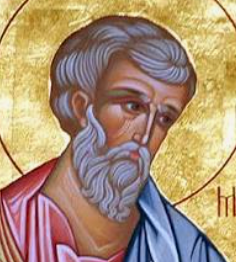
Psalm 2:7 — ‘Thou Art My Son; This Day Have I Begotten Thee’
Psalm 2:7; Mark 1:11; Acts 13:33; Hebrews 1:5, KJV“I will declare the decree: the LORD hath said unto me, Thou art my Son; this day have I begotten thee.” — Psalm 2:7, KJV The divine voice at Jesus’ baptism (Mk 1:11) and Transfiguration (Mk 9:7) cites Psalm 2:7 — a royal-coronation psalm. Acts 13:33 explicitly applies Psalm 2:7 to the Resurrection; Hebrews 1:5 applies it to the incarnation. A single Davidic-coronation text becomes the scriptural hinge for Jesus’ baptismal commission, transfiguration, resurrection, and exaltation.Cross-References: The Forerunner | Jesus’ Self-Claimed Fulfillment File Under: Jesus Christ > Life & Ministry > Prophecies Fulfilled > Messianic ProphecyMartin Hengel (Studies in Early Christology, T&T Clark, 1995) treats Psalm 2:7 as one of the keys to the early high Christology: by the time of Paul’s conversion (c. AD 33–35), the church already identifies Jesus’ sonship by royal-coronation language drawn from Psalm 2. The close fit between (a) the Synoptic baptismvoice citation and (b) the Acts/Hebrews apostolic re-use demonstrates a pre-Gospel, dominical-tradition rooted hermeneutic. Citation: Martin Hengel, Studies in Early Christology, T&T Clark, 1995.
Isaiah References
Isaiah 7 (Immanuel), 9 (Galilee of the nations), 35 (the blind see and the lame leap), 42 (the Servant bringing justice), 52–53 (suffering and exaltation), and 61 (anointed to preach good news). Slides/cards below treat each passage the Gospels explicitly cite as Jesus-fulfilled — six cards, one per passage.
Isaiah 7:14 — Immanuel, “God With Us”
Isaiah 7:14; Matthew 1:23, KJV — Jerusalem (Isaiah) / Nazareth-Bethlehem (Jesus), c. AD 6“Behold, a virgin shall conceive, and bear a son, and shall call his name Immanuel.” — Isaiah 7:14, KJV Matthew’s first fulfillment citation (Mt 1:23) directly quotes Isaiah 7:14 in Greek — “Behold, a virgin shall be with child, and shall bring forth a son, and they shall call his name Emmanuel.” The Hebrew almah (“young woman”) and the Septuagint parthenos (“virgin”) overlap; Matthew follows the Septuagint reading and reads Isaiah typologically rather than strictly literally.Cross-References: Bethlehem & Birth Prophecies | Critique & Cumulative Case File Under: Jesus Christ > Life & Ministry > Prophecies Fulfilled > Isaiah ReferencesRaymond Brown (The Birth of the Messiah, 1977) treats Matthew’s citation as Christian midrash in the pesher style — recognized Jewish interpretive technique, not invented prophecy. Brown notes that the Isaiah 7 context (a sign to Ahaz in the Syro-Ephraimite war) is re-read typologically: the Immanuel sign given then becomes a sign fulfilled in Jesus. Critical and conservative scholars converge on the typological reading even as they debate its literalistic fit. Citation: Raymond E. Brown, The Birth of the Messiah, Doubleday, 1977.
Isaiah 9:1–2 — “Galilee of the Nations” Where the Light Dawns
Isaiah 9:1–2; Matthew 4:14–16, KJV — Galilee, c. AD 27“The people that walked in darkness have seen a great light: they that dwell in the land of the shadow of death, upon them hath the light shined.” — Isaiah 9:2, KJV Matthew 4:14–16 cites Isaiah 9:1–2 when Jesus relocates His base from Nazareth to Capernaum, on the lake’s northwest shore. Jesus’ deliberate Galilean ministry enacts Isaiah’s specific “Galilee of the nations” geography rather than a generic regional mission. The site is named — not random — and matches both the Synoptic and Johannine accounts of His public ministry’s locus.Cross-References: Galilee Prophecy | Jesus’ Ministry File Under: Jesus Christ > Life & Ministry > Prophecies Fulfilled > Isaiah ReferencesGalilee in Isaiah 9 is “Galilee of the nations” (Hebrew Galil ha-goyim) — meaning the region was historically a crossroads of Jewish and Gentile settlement. Matthew’s citation draws out this implication: Jesus’ Galilean ministry already foreshadows the Gentile mission. The geographical precision (Capernaum, the lake-villages, “the way of the sea”) is striking: Jesus’ ministry sits where Isaiah told Israel to look. Citation: R. T. France, The Gospel of Matthew, Eerdmans, 2007.
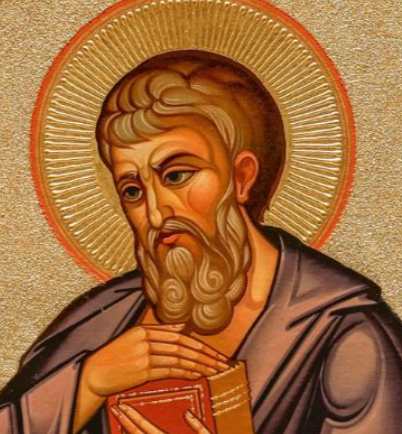
Isaiah 35:5–6 — “Then the Eyes of the Blind Shall Be Opened”
Isaiah 35:5–6; Matthew 11:5; Luke 7:22 (Q), KJV — Galilee, c. AD 28“Then the eyes of the blind shall be opened, and the ears of the deaf shall be unstopped. Then shall the lame man leap as an hart, and the tongue of the dumb sing.” — Isaiah 35:5–6, KJV When John the Baptist sends from prison asking, “Art thou he that should come?”, Jesus does not hand over a proof-text — He points to His healing activity in Isaiah 35 vocabulary: “The blind receive their sight, and the lame walk, the lepers are cleansed, and the deaf hear” (Mt 11:5; Lk 7:22). Jesus answers John by enacting Isaiah 35 rather than by quoting it as an argument, satisfying Q-source multiple attestation.Cross-References: Jesus’ Self-Claimed Fulfillment | Miracles & Testimonies File Under: Jesus Christ > Life & Ministry > Prophecies Fulfilled > Isaiah ReferencesCraig Keener (Miracles, 2011) treats this reply as Jesus’ self-conscious eschatological-prophetic claim: the restorative kingdom is already breaking in through His healing activity, fulfilling the Isaianic restoration program. The Q-source attestation (independent of Mark) places the self-claim in the earliest recoverable Jesus tradition, predating any written Gospel. That Jesus’ reply fuses Isaiah 35:5–6 with Isaiah 61:1 (cf. Mt 11:5’s “the poor have the gospel preached to them”) shows Him reading His own career across the whole Isaianic restoration arc. Citation: Craig S. Keener, Miracles: The Credibility of the New Testament Accounts, Baker Academic, 2011.
Isaiah 42:1–4 — The Servant Bringing Justice to the Nations
Isaiah 42:1–4; Matthew 12:17–21, KJV — Galilee, c. AD 28“Behold my servant, whom I uphold; mine elect, in whom my soul delighteth… he shall bring forth judgment to the Gentiles. A bruised reed shall he not break, and the smoking flax shall he not quench.” — Isaiah 42:1–3, KJV Matthew 12:17–21 cites Isaiah 42:1–4 in full after Jesus heals a man with a withered hand and withdraws from the Pharisees’ plot. Jesus’ withdrawal and His healing-mercy pattern are explicitly cast as Isaiah’s Servant’s gentle justice program, which uniquely extends “judgment” to the Gentiles — an extension Matthew sees fulfilled in Jesus’ inclusive ministry.Cross-References: The Suffering Servant | Galilee Prophecy File Under: Jesus Christ > Life & Ministry > Prophecies Fulfilled > Isaiah ReferencesThe baptismal theophany’s “in whom I am well pleased” (Mk 1:11) cites Isaiah 42:1 directly, fusing it with Psalm 2:7. So the same Servant text underwrites both the inauguration of Jesus’ public ministry and the Matthean interpretation of His Galilean healing campaign. The interweaving is deep: Isaiah 42 supplies the structural key not just for one ritual moment but for the entire first phase of Jesus’ career. Citation: Richard Bauckham, Jesus and the God of Israel, Eerdmans, 2008.
Isaiah 52:13–53:12 — The Suffering-Servant Cascade
Isaiah 52:13–53:12; cf. Mark 10:45; Acts 8:32–33; 1 Peter 2:22–25, KJV“He is despised and rejected of men; a man of sorrows, and acquainted with grief… he was wounded for our transgressions, he was bruised for our iniquities… he is brought as a lamb to the slaughter.” — Isaiah 53:3, 5, 7, KJV The Servant Song of Isaiah 53 supplied early-church catechesis with its central Passion hermeneutic. Mark 10:45 (“the Son of man came… to give his life a ransom for many”) directly echoes Isa 53:11–12; Acts 8:32–33 quotes Isa 53:7–8 verbatim in the Ethiopian eunuch pericope; 1 Peter 2:22–25 strings Isa 53:5, 6, 9, 12 into a single Passion reading. The same Servant text underwrites Jesus’ Passion prediction, cross-Gospel preaching, and the Petrine epistle’s Passion theology.Cross-References: The Suffering Servant | The Crucifixion File Under: Jesus Christ > Life & Ministry > Prophecies Fulfilled > Isaiah ReferencesN. T. Wright (Jesus and the Victory of God, Fortress, 1996) treats Jesus’ self-conscious identification with the Servant office as authentically dominical: the Son-of-Man-suffering strand in Mk 8:31; 9:31; 10:33–34 satisfies criteria of multiple attestation (Mark + Q + John), embarrassment (a suffering Messiah), and dissimilarity (no prior Jewish interpreter had fused Daniel 7’s triumphant Son of Man with Isaiah 53’s suffering Servant). The fusion is Jesus’ own hermeneutical move. Citation: N. T. Wright, Jesus and the Victory of God, Fortress, 1996.
Isaiah 61:1–2 — “Anointed to Preach Good News to the Poor”
Isaiah 61:1–2; Luke 4:18–19, KJV — Nazareth Synagogue, c. AD 27“The Spirit of the Lord GOD is upon me; because the LORD hath anointed me to preach good tidings unto the meek; he hath sent me to bind up the brokenhearted, to proclaim liberty to the captives… to proclaim the acceptable year of the LORD.” — Isaiah 61:1–2, KJV Luke 4:18–21 records Jesus reading Isaiah 61:1–2 in the Nazareth synagogue and then declaring, “This day is this scripture fulfilled in your ears.” This is the most explicit self-fulfillment claim in the entire Gospel record — Jesus publicly applies an Isaianic anointed-messenger prophecy to His own career. The hometown-rejection that follows (Lk 4:28–30) satisfies the embarrassment criterion.Cross-References: Jesus’ Self-Claimed Fulfillment | Galilee Prophecy File Under: Jesus Christ > Life & Ministry > Prophecies Fulfilled > Isaiah ReferencesJoseph Fitzmyer (The Gospel According to Luke X–XXIV, Anchor Bible, 1985) treats the scene as Lukan literary prologue but acknowledges it preserves a Synoptic-tradition core of Jesus applying Isaiah 61 to His own ministry. The “acceptable year of the Lord” (Lk 4:19) frames Jesus’ entire Galilean tour as a Jubilee-shaped enactment of Isaiah 61’s restoration prophecy — not a one-time reference but a defining interpretive frame. Citation: Joseph A. Fitzmyer, The Gospel According to Luke X–XXIV, Anchor Bible, 1985.
Galilee Prophecy
Isaiah 9:1–2 names “Galilee of the nations” as the region where a great light dawns — matching Jesus’ deliberate choice of Capernaum, Nazareth, and the lake-villages as the base of His public ministry. Slides/cards below map the Isaiah 9 geography against the Synoptic ministry setting and Luke 4’s Nazareth claim.
Capernaum as Ministry Base — Isaiah 9 Fulfilled Geography
Matthew 4:12–17, KJV — Capernaum, Galilee, c. AD 27“And leaving Nazareth, he came and dwelt in Capernaum, which is upon the sea coast, in the borders of Zabulon and Nephthalim: that it might be fulfilled which was spoken by Esaias the prophet.” — Matthew 4:13–14, KJV Matthew explicitly frames Jesus’ move from Nazareth to Capernaum as Isaiah 9:1–2 fulfillment. The territories Zebulun and Naphtali lay on the lake’s northwest shore — exactly where Capernaum sits. Jesus’ choice of Capernaum matches the precise tribal geography Isaiah names rather than a generic northern locale.Cross-References: Isaiah References | Jesus’ Ministry File Under: Jesus Christ > Life & Ministry > Prophecies Fulfilled > Galilee ProphecyExcavations at Capernaum (Kfar Nahum) have uncovered a first-century synagogue beneath the 4th-century limestone one — confirming a Jewish teaching venue at the site during Jesus’ ministry. Peter’s house, traditionally identified a short walk from the synagogue, was venerated as a pilgrimage site by the mid-1st century (pre-70 AD graffiti), dating the Galilean-ministry memory to within a generation of the events. Citation: James F. Strange, “Capernaum,” in The Oxford Encyclopedia of Archaeology in the Near East, Oxford, 2011.
John 7:41–52 — “Out of Galilee Ariseth No Prophet?”
John 7:40–52, KJV — Jerusalem, c. AD 29–30“They answered and said, Art thou also of Galilee? Search, and look: for out of Galilee ariseth no prophet.” — John 7:52, KJV The Jerusalem leaders’ dismissive claim that “out of Galilee ariseth no prophet” sets up the prophetic irony John intends — Isaiah 9 had explicitly prophesied the Galilean light, and the leaders’ own Scripture refutes their dismissal. The Johannine polemic places the Isaiah 9 fulfillment in the teeth of contemporary Jerusalem skepticism, an embarrassment-criterion scene that resists fictionalization.Cross-References: Isaiah References | Jesus’ Self-Claimed Fulfillment File Under: Jesus Christ > Life & Ministry > Prophecies Fulfilled > Galilee ProphecyThe dismissive remark in John 7:52 was almost certainly a real first-century Jerusalem attitude — provincials from Galilee were widely regarded as backcountry and doctrinally suspect (cf. the Talmudic tradition that no prophet arose from Galilee). John preserves the polemic, then turns it on its head using Isaiah 9. The scene satisfies dissimilarity (no early Christian would invent elitism against their own founding apostles’ region) and coherence with Isa 9. Citation: D. A. Carson, The Gospel According to John, Eerdmans, 1991.
The Nazareth Reading — Luke 4 and the Galilean Self-Claim
Luke 4:16–30, KJV — Nazareth Synagogue, c. AD 27“And there was delivered unto him the book of the prophet Esaias. And when he had opened the book, he found the place where it was written… This day is this scripture fulfilled in your ears.” — Luke 4:17, 21, KJV Jesus’ hometown synagogue appearance becomes His public self-claim: Isaiah 61’s “anointed messenger” prophecy is fulfilled “this day” in their hearing. The crowd’s lynching attempt that follows (Lk 4:28–30) supplies the embarrassment criterion. Luke reorients Jesus’ entire Galilean ministry under an Isaianic fulfillment hermeneutic narrated from His hometown pulpit.Cross-References: Isaiah References | Jesus’ Self-Claimed Fulfillment File Under: Jesus Christ > Life & Ministry > Prophecies Fulfilled > Galilee ProphecyJoseph Fitzmyer (Anchor Bible, 1985) treats the passage as the Lukan programmatic prologue. The reader is told up front how to read the rest of the Gospel: as the enacted fulfillment of Isaiah’s restoration program — good news to the poor, recovery of sight, liberty to the captives, the Lord’s Jubilee year. Capernaum and the lake-village circuit thus function as the geographical instantiation of an Isaianic text Jesus Himself claimed. Citation: Joseph A. Fitzmyer, The Gospel According to Luke I–IX, Anchor Bible, 1981.
Jonah and the Galilean Sign — A Type Fulfilled in Three Days
Matthew 12:39–41; 16:4; Luke 11:29–30, KJV — Galilee, c. AD 28“An evil and adulterous generation seeketh after a sign; and there shall no sign be given to it, but the sign of the prophet Jonas: for as Jonas was three days and three nights in the whale’s belly; so shall the Son of man be three days and three nights in the heart of the earth.” — Matthew 12:39–40, KJV Jesus Himself supplies the typological prophecy that resolves the scribes-and-Pharisees demand for “a sign from heaven” — the Galilean prophet Jonah, three days in the fish, prefigures the Son of Man’s three days in the tomb. A provincial Galilee connection ties Jonah (Gath-hepher, 2 Kings 14:25 — a Galilean village) to Jesus’ self-designation as a Galilean prophetic fulfillment. Doubly attested in Mt + Lk (Q).Cross-References: Jesus’ Self-Claimed Fulfillment | The Resurrection File Under: Jesus Christ > Life & Ministry > Prophecies Fulfilled > Galilee ProphecyJonah’s home of Gath-hepher was in the tribal territory of Zebulun — the same Galilean region named in Isaiah 9 and matched to Jesus’ ministry. The convergence of (a) Isaiah 9’s “Galilee of the nations” geography, (b) Jesus’ Capernaum relocation, and (c) the Jonah typology from a prophet of the same region is a triple-stacked regional prophecy pattern unmatched by any other first-century claimant. Citation: Herman B. Burch, The Prophet Jonah and the Christ, cited via R. T. France, The Gospel of Matthew, Eerdmans, 2007.
Triumphal Entry
Zechariah 9:9 — “thy King cometh unto thee… lowly, and riding upon an ass” — fulfilled in Jesus’ mounted entry on Palm Sunday (Mt 21, Mk 11, Lk 19, Jn 12). Slides/cards below cover the donkey’s colt, the palm branches, the crowd’s “Hosanna” quoting Psalm 118:25–26, and the public-staged nature of the act.
Zechariah 9:9 — “Thy King Cometh… Riding Upon an Ass”
Zechariah 9:9; Mt 21:5; Mk 11:7–10; Lk 19:35–38; Jn 12:14–15, KJV — Jerusalem, c. AD 30“Rejoice greatly, O daughter of Zion; shout, O daughter of Jerusalem: behold, thy King cometh unto thee… lowly, and riding upon an ass, and upon a colt the foal of an ass.” — Zechariah 9:9, KJV All four Gospels independently record Jesus’ mounted entry on the colt of a donkey during Passover week — Zechariah 9:9 is cited explicitly by both Matthew (Mt 21:5) and John (Jn 12:14–15). Quadruple independent attestation of a single prophetic fulfillment is the strongest attestation pattern in New Testament prophecy citation. The mounted arrival was a public, observable act, not something the early church could silently fabricate a few hundred yards from the temple.Cross-References: Zechariah — Betrayal & Piercing | The Crucifixion File Under: Jesus Christ > Life & Ministry > Prophecies Fulfilled > Triumphal EntryMark’s account (Mk 11:1–7) preserves two pre-arranged details — the village where the colt is found and the coded instruction “the Lord hath need of him” — suggesting Jesus had prepared the entry in advance with local supporters. N. T. Wright (JVG, 1996) treats the entry as a deliberate prophetic enactment: Jesus self-consciously enacts Zechariah 9’s royal humility motif as a counter-demonstration to Roman power entering Jerusalem with imperial pomp at the same festival. Citation: N. T. Wright, Jesus and the Victory of God, Fortress, 1996.
Psalm 118:25–26 — “Hosanna… Blessed Is He That Cometh”
Psalm 118:25–26; Mk 11:9–10; Mt 21:9; Lk 19:38; Jn 12:13, KJV“Save now, I beseech thee, O LORD… Blessed be he that cometh in the name of the LORD.” — Psalm 118:25–26, KJV The crowd’s shout “Hosanna; Blessed is he that cometh in the name of the Lord” cites Psalm 118:25–26 — the Hallel psalm sung at Tabernacles and Passover. “Hosanna” is the Hebrew imperative “Save now!” (hoshia-na) and was kriologically recognized as a messianic acclaim rather than a generic greeting. The Pharisees’ reaction (Lk 19:39–40) — “rebuke thy disciples” — confirms its public, recognizable messianic intent.Cross-References: Psalm Echoes in the Passion | Zechariah — Betrayal & Piercing File Under: Jesus Christ > Life & Ministry > Prophecies Fulfilled > Triumphal EntryPsalm 118 was one of the Egyptian Hallel psalms (Psalms 113–118) sung during the Passover liturgy, so its citation by pilgrims approaching Jerusalem at Passover is culturally apt. Jesus’ response to the Pharisees (Lk 19:40 — “if these should hold their peace, the stones would immediately cry out”) assumes that the acclaim is a recognized divine attestation. Psalm 118:22 — “the stone which the builders refused” — becomes the apostolic Passion-hermeneutic in Acts 4:11, weaving the same psalm through both the entry and the Passion. Citation: C. H. Dodd, According to the Scriptures, Nisbet, 1952.
The Two processions — Wright on Counter-Demonstration
Scholar Testimony — N. T. Wright, Jesus and the Victory of God (Fortress, 1996)“Two processions entered Jerusalem that Passover… Pilate at the head of the imperial Roman troops; Jesus on a donkey, embodying the kingdom of God.” N. T. Wright argues the entry was not merely prophetic fulfillment but a deliberate counter-demonstration to Pilate’s troop entry from Caesarea. Jesus enacts Zechariah 9’s “king, gentle, riding on a donkey” precisely where imperial cavalry is riding in force at the same festival’s start. The royal-consolation prophecy of Zech 9 becomes the visual counterpoint to Pilate’s coercive power.Cross-References: Zechariah — Betrayal & Piercing | The Crucifixion File Under: Jesus Christ > Life & Ministry > Prophecies Fulfilled > Triumphal EntryWright’s reconstruction fits the criteria of coherence: Pilate marched auxiliaries into Jerusalem at every major festival to deter unrest; Jesus’ counter-procession enacts Zechariah’s humble-king motif in the same week. The public-demonstration framing also explains the immediate Sanhedrin decision (cf. Jn 11:47–53); Pilate’s presence made any royal-claim procession incendiary. Citation: N. T. Wright, Jesus and the Victory of God, Fortress, 1996.
Bartimaeus’ Cry — “Son of David” Pre-Entry Acclamation
Mark 10:46–52; Matthew 20:29–34; Luke 18:35–43, KJV — Jericho, c. AD 30“And when he heard that it was Jesus of Nazareth, he began to cry out, and say, Jesus, thou Son of David, have mercy on me.” — Mark 10:47, KJV Triple attestation: at Jericho, on the pilgrim road up to Jerusalem for Passover, blind Bartimaeus cries “Son of David” — the messianic title — moments before the Triumphal Entry. The pre-entry acclamation of Jesus as Davidic Messiah primes the crowd that will shout “Hosanna to the Son of David” days later. The Synoptic Jericho-Jerusalem narrative arc builds the Davidic-messiah claim into a public procession, not a private reading.Cross-References: Messianic Prophecy | Miracles & Testimonies File Under: Jesus Christ > Life & Ministry > Prophecies Fulfilled > Triumphal EntryBartimaeus’ “Son of David” is doubly attested (Mk 10:47–48 + Mt 9:27, 15:22, 20:30–31) and the title is one the Jerusalem hierarchy never popularized — its appearance on the lips of Galilean and Jericho pilgrims indicates grassroots messianic expectation. The convergence of (a) Bartimaeus’ healing as a public act, (b) the Son-of-David acclamation, and (c) the Zech 9 mounted entry within a single week builds a cumulative Davidic-kingship fulfillment pattern across multiple independent Synoptic traditions. Citation: Craig S. Keener, The Historical Jesus of the Gospels, Eerdmans, 2009.
The Cleansing of the Temple — Isaiah 56 / Jeremiah 7 Convergence
Mark 11:15–17; Matthew 21:12–13; Luke 19:45–46; John 2:13–17, KJV — Jerusalem Temple, c. AD 30“Is it not written, My house shall be called of all nations the house of prayer? but ye have made it a den of thieves.” — Mark 11:17, KJV Jesus’ Temple action fuses two prophetic texts: Isaiah 56:7 (“mine house shall be called an house of prayer for all people”) and Jeremiah 7:11 (“Is this house… become a den of robbers?”). The Temple cleansing is a self-conscious, scripture-quoting prophetic act staged within days of the Triumphal Entry. Doubly attested across Mark + John (independent traditions) — the Johannine placement at ministry start and the Synoptic at Passion week may indicate two similar events.Cross-References: Zechariah — Betrayal & Piercing | The Crucifixion File Under: Jesus Christ > Life & Ministry > Prophecies Fulfilled > Triumphal EntryE. P. Sanders (The Historical Figure of Jesus, 1993) treats the Temple action as authentically dominical — a symbolic prophetic act rather than a literal attempt to shut down commerce (impossible for one person). Jesus quotes two prophets, conflating inclusion-for-Gentiles (Isa 56) with denunciation-of-corrupt-worship (Jer 7). The act directly precipitates the Sanhedrin decision to execute Him (Mk 11:18; Lk 19:47), binding the prophetic Temple action to the Passion as its causal antecedent. Citation: E. P. Sanders, The Historical Figure of Jesus, Penguin, 1993.
The Fate of the Fig Tree — Prophetic Symbol of Israel
Mark 11:12–14, 20–25; Matthew 21:18–22; Hosea 9:10; Jeremiah 8:13, KJV — Near Jerusalem, c. AD 30“And when he saw a fig tree afar off having leaves, he came, if haply he might find any thing thereon… and said unto it, No man eat fruit of thee hereafter for ever.” — Mark 11:13–14, KJV Mark’s “sandwich” — fig-tree cursing (11:12–14) brackets the Temple cleansing (11:15–19) and resumes at 11:20–25 — casts the fig tree as a prophetic symbol of fruitless Israel, evoking Hosea 9:10 (“I saw your fathers as the firstripe in the fig tree at her first time”) and Jeremiah 8:13 (“I will surely consume them… there shall be no grapes on the vine, nor figs on the fig tree”). Jesus enacts the Old Testament’s Israel-as-fig-tree polemic in a symbolic prophetic gesture tied to the Temple action.Cross-References: Psalm Echoes in the Passion | The Crucifixion File Under: Jesus Christ > Life & Ministry > Prophecies Fulfilled > Triumphal EntryThis is the only “destructive” miracle attributed to Jesus in the canonical Gospels — a striking restraint contrasted with the Infancy Gospel of Thomas, where the child Jesus strikes people dead capriciously. Mark uses the symbolic act to interpret the Temple cleansing: the withered tree and the cleansed Temple jointly dramatize coming judgment on the temple establishment. Named-witness detail: “Peter calling to remembrance saith unto him, Master, behold” (Mk 11:21). Citation: Craig A. Evans, Mark 8:27–16:20, Word Biblical Commentary, 2001.
The Suffering Servant (Isaiah 53)
Isaiah 52:13–53:12: despised, rejected, pierced for our transgressions, silent before shearers, numbered with transgressors, and assigned a grave with the rich. Slides/cards below parallel the chapter line-by-line against the Passion narrative in all four Gospels and Acts 8’s Ethiopian eunuch.
“Despised and Rejected of Men” — Isaiah 53:3 in the Passion
Isaiah 53:3; Mark 14:65; 15:16–20, KJV — Jerusalem, c. AD 30“He is despised and rejected of men; a man of sorrows, and acquainted with grief: and we hid as it were our faces from him; he was despised, and we esteemed him not.” — Isaiah 53:3, KJV Mark’s Passion account details Jesus’ rejection by both the Sanhedrin (Mk 14:65 — spitting, blindfolding, beating) and by the Roman soldiers (Mk 15:16–20 — purple robe, crown of thorns, mock obeisance). Isaiah 53:3’s “despised and rejected” surfaces in two hostile-rejection scenes from two different ethnic contexts, marking a literally-cross-cultural fulfillment.Cross-References: Psalm Echoes in the Passion | The Crucifixion File Under: Jesus Christ > Life & Ministry > Prophecies Fulfilled > The Suffering ServantRaymond Brown (The Death of the Messiah, Doubleday, 1994) treats these Markan scenes as Passion-tradition core: the mock-homage (crown, robe, “Hail, King of the Jews”) satisfies the embarrassment criterion — the early church would not invent a scene of its Lord’s humiliation by Gentile soldiers. Isaiah 53:3’s two-word summary (“despised, rejected”) crystallizes a publicly observable fact stamped on the Passion memory. Citation: Raymond E. Brown, The Death of the Messiah, Doubleday, 1994.
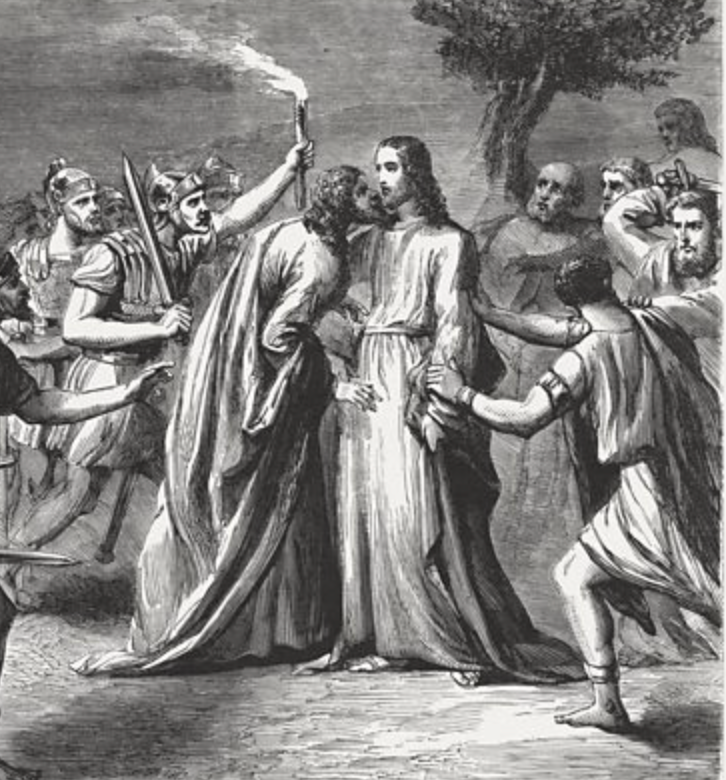
“As a Sheep Before Her Shearers Is Dumb” — Isaiah 53:7
Isaiah 53:7; Mark 14:61; 15:5; Matthew 27:12–14, KJV — Jerusalem, c. AD 30“He was oppressed, and he was afflicted, yet he opened not his mouth: he is brought as a lamb to the slaughter, and as a sheep before her shearers is dumb, so he openeth not his mouth.” — Isaiah 53:7, KJV Both Mark and Matthew emphasize Jesus’ silence before Pilate (Mk 15:5 — “but Jesus yet answered nothing; so that Pilate marvelled”) and Caiaphas (Mk 14:61 — “he held his peace, and answered nothing”). Isaiah 53:7’s silent-Servant motif is fulfilled in two independent cross-examinations — Roman and Jewish — recorded in two independent Gospel sources.Cross-References: Psalm Echoes in the Passion | Jesus’ Self-Claimed Fulfillment File Under: Jesus Christ > Life & Ministry > Prophecies Fulfilled > The Suffering ServantActs 8:32–33 quotes Isaiah 53:7–8 verbatim in the Ethiopian eunuch pericope, demonstrating that the earliest apostolic preaching used Isaiah 53 as its core Passion hermeneutic. Mark 14:61 — Jesus breaking silence only to identify Himself with Psalm 110:1 + Daniel 7:13 — shows that He remains strategically silent to the Sanhedrin’s “witnesses” yet deliberately self-discloses to set the execution in motion. The selective silence responds exactly to Isaiah 53:7. Citation: C. K. Barrett, The Acts of the Apostles, T&T Clark, 1994.
“Numbered with the Transgressors” — Isaiah 53:12
Isaiah 53:12; Mark 15:27–28; Luke 22:37; 23:33, KJV — Golgotha, c. AD 30“He was numbered with the transgressors, and he bare the sin of many, and made intercession for the transgressors.” — Isaiah 53:12, KJV Mark (15:27–28) records Jesus “crucified… with two thieves” — a direct Isaiah 53:12 fulfillment — and Luke preserves Jesus’ own Lk 22:37 application, “this that is written must yet be accomplished in me, And he was reckoned among the transgressors.” Jesus self-applies Isaiah 53:12 to His imminent death, then the crucifixion enacts it between two criminals — a self-claim and immediate fulfillment in the same afternoon.Cross-References: The Crucifixion | Jesus’ Self-Claimed Fulfillment File Under: Jesus Christ > Life & Ministry > Prophecies Fulfilled > The Suffering ServantThe Lukan citation (Lk 22:37) is independent of the Markan crucifixion narrative and places the self-claim on Jesus’ lips before the event itself — a vaticinium personally undertaken. Geza Vermes (Jesus the Jew, 1973) criticizes Christian interpretive selectivity but concedes that Jesus’ self-identification with the Servant office is among the most secure elements of His self-understanding. Citation: Geza Vermes, Jesus the Jew, SCM, 1973.

“His Grave with the Rich” — Isaiah 53:9 and Joseph of Arimathea
Isaiah 53:9; Matthew 27:57–60; John 19:38–42, KJV — Jerusalem, c. AD 30“And he made his grave with the wicked, and with the rich in his death; because he had done no violence, neither was any deceit in his mouth.” — Isaiah 53:9, KJV All four Gospels independently attest Joseph of Arimathea — a rich member of the council (Mt 27:57; Mk 15:43; Lk 23:50–51; Jn 19:38) — placing Jesus in his own new rock-hewn tomb. Isaiah 53:9’s paradoxical “grave with… the rich in his death” resolves when a wealthy Sanhedrin member donates his own unused tomb for an executed man who would otherwise have been buried in a common criminals’ grave.Cross-References: The Resurrection | The Crucifixion File Under: Jesus Christ > Life & Ministry > Prophecies Fulfilled > The Suffering ServantJoseph of Arimathea is multiply and independently attested — including in Mark, the earliest Gospel, and in John, an independent tradition. The criterion of embarrassment applies: an honorable member of the very council that condemned Jesus performs His burial. Raymond Brown (The Death of the Messiah, 1994) concludes the Joseph-of-Arimathea burial is among the most secure Passion facts; John Dominic Crossan and Bart Ehrman dispute the venue but concede the family-tomb/disgraced-burial legend has no traction in the earliest sources. Citation: Raymond E. Brown, The Death of the Messiah, Doubleday, 1994; Bart D. Ehrman, How Jesus Became God, HarperOne, 2014.
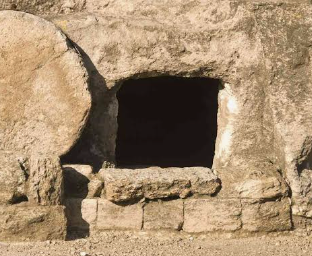
The Ethiopian Eunuch — Acts 8 and Apostolic Isaiah-53 Catechesis
Acts 8:26–35, KJV — Gaza road, c. AD 34“The place of the scripture which he read was this, He was led as a sheep to the slaughter; and like a lamb dumb before his shearer, so opened he not his mouth: in his humiliation his judgment was taken away.” — Acts 8:32–33 (citing Isaiah 53:7–8), KJV Philip’s encounter with the Ethiopian eunuch shows the early apostolic catechesis was already built on Isaiah 53 — the eunuch was reading the passage unaided, prompting “understandest thou what thou readest?” The apostolic Isaiah-53 hermeneutic is detected in the earliest post-Pentecost preaching, not invented decades later.Cross-References: Critique & Cumulative Case | The Crucifixion File Under: Jesus Christ > Life & Ministry > Prophecies Fulfilled > The Suffering ServantThe passage cited (Acts 8:32–33) follows the Septuagint reading of Isaiah 53:7–8, indicating that Greek-speaking Diaspora Judaism already had access to the very text the apostolic preachers used. The eunuch’s question — “of whom speaketh the prophet this? of himself, or of some other man?” — shows that even pre-Christian readers recognized the Servant figure as enigmatic and not easily identific-able with Israel collectively. Citation: C. K. Barrett, The Acts of the Apostles, T&T Clark, 1994.
1 Peter 2:22–25 — Verbatim Petrine Catechesis from Isaiah 53
1 Peter 2:22–25; Isaiah 53:5, 6, 9, 12, KJV — c. AD 62–64“Who did no sin, neither was guile found in his mouth: who, when he was reviled, reviled not again… by whose stripes ye were healed. For ye were as sheep going astray; but are now returned unto the Shepherd and Bishop of your souls.” — 1 Peter 2:22–25, KJV 1 Peter 2:22–25 strings four Isaiah 53 passages (53:5 “by whose stripes”; 53:6 “sheep going astray”; 53:9 “no guile in his mouth”; 53:12 “numbered with the transgressors”) into a single catechetical confession. The Petrine letter preserves a fixed apostolic Passion-hermeneutic that quotes Isaiah 53 four times in three verses — a threadbare, pre-literary Christian tradition rooted in Peter’s eyewitness memory.Cross-References: Critique & Cumulative Case | The Crucifixion File Under: Jesus Christ > Life & Ministry > Prophecies Fulfilled > The Suffering ServantJ. N. D. Kelly (The Epistles of Peter and Jude, Adam & Charles Black, 1969) identifies 1 Peter 2:22–25 as contain- ing one of the earliest known Christian hymns or catechetical formulas — predating the letter’s composition and likely drawn from Roman baptismal catechesis. The fact that an apostolic text from the 60s treats Isaiah 53 as already-fixed Christological scripture demonstrates the hermeneutic was operating within a decade of the Pentecostal preaching. Citation: J. N. D. Kelly, The Epistles of Peter and Jude, Adam & Charles Black, 1969.
Bethlehem & Birth Prophecies
Micah 5:2 names Bethlehem as the Messiah’s birthplace; Hosea 11:1 (“Out of Egypt”) and Isaiah 7:14 (Immanuel) frame the infancy. Slides/cards below treat Matthew’s “fulfillment” formula citations, the Luke 2 census narrative, and the conservative/critical debate over the Bethlehem tradition.
Micah 5:2 — “Bethlehem… Out of Thee Shall He Come Forth”
Micah 5:2; Matthew 2:5–6; Luke 2:4–7; John 7:42, KJV — Bethlehem, c. 6–4 BC“But thou, Bethlehem Ephratah, though thou be little among the thousands of Judah, yet out of thee shall he come forth unto me that is to be ruler in Israel; whose goings forth have been from of old, from everlasting.” — Micah 5:2, KJV Matthew 2:5–6 explicitly cites Micah 5:2 when the scribes tell Herod where the Messiah is to be born. Luke 2:4–7 records Bethlehem as Jesus’ birthplace independent of Matthew — a Roman-census journey. John 7:42 reflects popular Jewish awareness that “Christ cometh of the seed of David, and out of the town of Bethlehem.” Triple independent attestation of Jesus’ Bethlehem birth across Matthew, Luke, and John is the strongest attestation pattern available for any infancy detail.Cross-References: Isaiah References | Jesus’ Ministry File Under: Jesus Christ > Life & Ministry > Prophecies Fulfilled > Bethlehem & Birth PropheciesRaymond Brown (The Birth of the Messiah, 1977) acknowledges the triple attestation but treats the Lukan census detail as theologically motivated narrative rather than strict history. Critical objections includeensus-of-Quirinius-in-6-AD versus Jesus’ birth under Herod the Great (d. 4 BC). Conservatives (R. T. France, The Gospel of Matthew, 2007) respond that the census may have been an earlier registration with Quirinius serving a dual-term Roman administrative role. The convergence of three independent sources on Bethlehem itself is rarely contested even by critical scholars. Citation: Raymond E. Brown, The Birth of the Messiah, Doubleday, 1977.
Hosea 11:1 — “Out of Egypt Have I Called My Son”
Hosea 11:1; Matthew 2:13–15, KJV — Bethlehem → Egypt → Nazareth, c. 4 BC“When Israel was a child, then I loved him, and called my son out of Egypt.” — Hosea 11:1, KJV Matthew 2:15 cites Hosea 11:1 — a historical retrospective (“when Israel was a child”) — as fulfilled by the Holy Family’s flight to Egypt and return. Matthew reads Hosea typologically: Israel’s exodus becomes a template Jesus re-enacts as God’s true Son returns from Egypt. The technique is midrashic-pesher, identifiably Jewish, not invented-Christian proof-texting.Cross-References: Isaiah References | Critique & Cumulative Case File Under: Jesus Christ > Life & Ministry > Prophecies Fulfilled > Bethlehem & Birth PropheciesBrown (The Birth of the Messiah, 1977) classifies this citation as Matthew’s “typological fulfillment” rather than predictive prophecy — a recognized Jewish interpretation mode. The Hosea passage in context describes Israel’s historical exodus; Matthew re-appropriates it as a pattern Jesus reprises. This is precisely the kind of interpretive reading attested at Qumran (1QpHab on Habakkuk) and in rabbinic midrash — Matthew operates inside contemporaneous Jewish hermeneutical practice, not outside it. Citation: Raymond E. Brown, The Birth of the Messiah, Doubleday, 1977.
Isaiah 7:14 — Immanuel, “God With Us” (Birth Citation)
Isaiah 7:14; Matthew 1:22–23, KJV — Nazareth/Bethlehem, c. 6–4 BC“Behold, a virgin shall be with child, and shall bring forth a son, and they shall call his name Emmanuel, which being interpreted is, God with us.” — Matthew 1:23, KJV (citing Isaiah 7:14) Matthew’s first formula citation (1:22–23) directly quotes the Septuagint reading of Isaiah 7:14. The Hebrew almah (“young woman”) and the LXX parthenos (“virgin”) overlap; Matthew follows the LXX reading and reads Isaiah typologically. The same Isaianic Immanuel text that frames the Ahaz-era sign in 8th-century BC is structurally re-applied to Jesus’ virginal conception in the infancy narrative.Cross-References: Isaiah References | Critique & Cumulative Case File Under: Jesus Christ > Life & Ministry > Prophecies Fulfilled > Bethlehem & Birth PropheciesBrown (The Birth of the Messiah, 1977) and Joseph Fitzmyer (The Gospel According to Luke I–IX, 1981) both classify the citation as Christian midrash rooted in Palestinian-Christian interpretation. Critical and conservative scholars agree the LXX’s parthenos reading already existed before Matthew — it is not a Christian interpolation. The Jewish scholars of the LXX (c. 250 BC) rendered almah as parthenos, indicating pre-Christian interpretive room. Citation: Joseph A. Fitzmyer, The Gospel According to Luke I–IX, Anchor Bible, 1981.
The Slaughter at Bethlehem — Jeremiah 31:15 Typology
Jeremiah 31:15; Matthew 2:16–18, KJV — Bethlehem, c. 4 BC“Thus saith the LORD; A voice was heard in Ramah, lamentation, and bitter weeping; Rahel weeping for her children refused to be comforted for her children, because they were not.” — Jeremiah 31:15, KJV Matthew 2:17–18 cites Jeremiah 31:15 — Rachael weeping in Ramah for the exiles — as fulfilled in Herod’s slaughter of Bethlehem’s infants. Matthew’s reading is typological: Israel’s first great devastation (the exile) becomes a template Herod re-enacts against Bethlehem’s newborn sons. The citation technique matches the rabbinic pesher-midrash tradition at Qumran.Cross-References: Critique & Cumulative Case | Jesus’ Ministry File Under: Jesus Christ > Life & Ministry > Prophecies Fulfilled > Bethlehem & Birth PropheciesBrown (The Birth of the Messiah, 1977) classifies this as Matthew’s typological fulfillment: the lament over exile-bereavement in Jeremiah 31 is re-applied to another act of political violence against Israel’s children. The Jeremiah 31 context immediately turns to hope (“thy work shall be rewarded… and there is hope in thine end” — Jer 31:16–17), which Matthew’s reader perceives as the Messiah’s escape to Egypt and eventual return. The pattern of “devastation followed by messianic hope” matches Matthew’s infancy-arc. Citation: Raymond E. Brown, The Birth of the Messiah, Doubleday, 1977.
The Bethlehem Debate — Brown vs. France
Scholar Debate — Brown (1977) vs. France (2007)“Matthew and Luke agree on the bare fact of Jesus’ birth in Bethlehem, even though they reach it by quite different routes.” — R. T. France, The Gospel of Matthew, Eerdmans, 2007 Raymond Brown (The Birth of the Messiah, 1977) holds that the Bethlehem tradition may be foisted on Jesus to fulfill Micah 5:2, with “Nazareth” being the actual hometown. R. T. France (The Gospel of Matthew, 2007) responds that the independent conver-gence of Matthew (Micah fulfillment) and Luke (census journey) — separate motives, separate narrative frames — argues against invention: two independent Gospel writers reaching the same Bethlehem venue by entirely different narrative paths is exactly what multiple attestation predicts of an authentic fact.Cross-References: Critique & Cumulative Case | Jesus’ Ministry File Under: Jesus Christ > Life & Ministry > Prophecies Fulfilled > Bethlehem & Birth PropheciesEven Bart Ehrman (Jesus, Interrupted, 2009) does not deny Bethlehem’s appearance in two independent Gospels; he disputes the Lukan census’s strict historicity. The cumulative case for Bethlehem stands on the convergence of independent traditions, even where each tradition’s supporting mechanism is debated. John 7:42 records popular first-century awareness that “Christ cometh of the seed of David, and out of the town of Bethlehem” — independent of Matthew and Luke, anchoring the venue in pre-Gospel Jewish expectation. Citation: Bart D. Ehrman, Jesus, Interrupted, HarperOne, 2009; R. T. France, The Gospel of Matthew, Eerdmans, 2007.
Archaeology of Bethlehem — Site Veneration by Mid-1st Century
Archaeological Evidence — Bethlehem, Church of the Nativity complex (tradition c. 1st–4th c. AD)“And she brought forth her firstborn son, and wrapped him in swaddling clothes, and laid him in a manger; because there was no room for them in the inn.” — Luke 2:7, KJV Justin Martyr (Dialogue with Trypho 78, c. AD 155) and the Protoevangelium of James (c. AD 150) already attest local Bethlehem tradition locating Jesus’ birth in a cave on the village edge. The site was venerated by mid-2nd century and had become a fixed pilgrimage destination by the early 4th century. A continuous 1st–4th century memory-chain at the specific Bethlehem cave site argues strongly against the “Bethlehem-as-pure theological invention” thesis.Cross-References: Critique & Cumulative Case | Jesus’ Ministry File Under: Jesus Christ > Life & Ministry > Prophecies Fulfilled > Bethlehem & Birth PropheciesThe Church of the Nativity, commissioned by Constantine (c. AD 327) over the traditional cave, was built on a site already venerated locally for at least 150 years — Justin Martyr’s reference to “the cave at Bethlehem” indicates the late-1st- to mid-2nd-century community had preserved the memory. The site’s continuous memory-chain is a recognized archaeological-historical datum in the conservative/critical Bethlehem debate. Citation: J. Murphy-O’Connor, ” Bethlehem,” in The Oxford Handbook of Early Christian Studies, Oxford, 2008.
Psalm Echoes in the Passion
Psalms 22, 69, 110, and 118 supply the early church’s most-cited Passion grid — pierced hands, divided garments, vinegar for thirst, the rejected stone, the Lord at God’s right hand. Slides/cards below treat each psalm as it surfaces across Mark, Matthew, Luke, John, Acts, and the Petrine epistles.
Psalm 22:1 — “My God, My God, Why Hast Thou Forsaken Me?”
Mark 15:34; Matthew 27:46, KJV — Golgotha, c. AD 30“And at the ninth hour Jesus cried with a loud voice, saying, Eloi, Eloi, lama sabachthani? which is, being interpreted, My God, my God, why hast thou forsaken me?” — Mark 15:34, KJV Both Mark and Matthew preserve Jesus’ cry from the cross in the original Aramaic (Eloi, Eloi, lama sabachthani) — a transliterated outcry satisfying the criterion of linguistic authenticity. The opening line of Psalm 22, the great lament of the righteous sufferer, was the recognized rabbinic shorthand for invoking the entire psalm. An embarrassing phrase the early church would not have invented for its Messiah is preserved verbatim across two independent Passion sources.Cross-References: The Crucifixion | The Suffering Servant File Under: Jesus Christ > Life & Ministry > Prophecies Fulfilled > Psalm Echoes in the PassionRaymond E. Brown (The Death of the Messiah, Doubleday, 1994) treats the cry as historical core. The full Psalm 22 trajectory — desolate cry, mocked by onlookers, pierced hands and feet, divided garments — would have been audible to any first-century Jew who recognized the opening line; Jesus’ cry invokes the entire suffering-vindication pattern. The Aramaic transliteration itself is a trace of authentic memory, since Greek-speaking Christians would more naturally cite the Greek LXX. Citation: Raymond E. Brown, The Death of the Messiah, Doubleday, 1994.
Psalm 22:16–18 — Pierced Hands, Divided Garments, Cast Lots
Psalm 22:16–18; Mark 15:24; John 19:23–24, KJV“They pierced my hands and my feet… They part my garments among them, and cast lots upon my vesture.” — Psalm 22:16, 18, KJV The crucifixion details map onto Psalm 22 with notable precision: pierced hands and feet (22:16), onlookers mocking (22:7–8, echoed in Mt 27:43), divided garments (22:18). John 19:24 explicitly cites “they parted my raiment among them” as fulfillment. The gambling soldiers fulfill Psalm 22:18 without their own awareness — a detail unlikely to be invented by later Christians colluding with Roman troops.Cross-References: The Crucifixion | Messianic Prophecy File Under: Jesus Christ > Life & Ministry > Prophecies Fulfilled > Psalm Echoes in the PassionThe Dead Sea Scrolls’ 11QPsalms^a (1st c. AD) preserves Psalm 22 with substantially the same Hebrew text used by the Gospel writers, falsifying the common skeptical claim that Christians altered the Hebrew to fit. The piercing detail in the Masoretic (“like a lion”) versus the LXX/11QPsalms (“they pierced”) is debated, but the crucifixion-wound pattern is present in both textual traditions via the surrounding contextual imagery. Citation: Geza Vermes, The Dead Sea Scrolls, Penguin, 1995; 11Q5 (=11QPss^a), col. 24.
Psalm 69:21 — Gall and Vinegar for His Thirst
Matthew 27:34, 48; John 19:28–29, KJV — Golgotha, c. AD 30“They gave me also gall for my meat; and in my thirst they gave me vinegar to drink.” — Psalm 69:21, KJV Both Matthew and John independently record the offering of wine mixed with gall / sour wine on a sponge to the crucified Jesus (Mt 27:34, 48; Jn 19:29). John explicitly notes Jesus saying “I thirst” — and frames it as self-conscious fulfillment: “that the scripture might be fulfilled.” The vinegar-sponge detail is multiply attested (Matthean M-source + Johannine tradition), and Psalm 69:21 underwrites both — a Passion detail the early church preserves across independent streams.Cross-References: The Crucifixion | Jesus’ Ministry File Under: Jesus Christ > Life & Ministry > Prophecies Fulfilled > Psalm Echoes in the PassionE. P. Sanders (The Historical Figure of Jesus, 1993) allows the vinegar-sponge detail as historical because it was unflattering: a Roman soldier’s gesture of rough mercy (or further mockery), preserved through both Matthean and Johannine traditions independently. Psalm 69’s broader “zeal for thy house hath eaten me up” (69:9) is also cited in John 2:17 for the Temple cleansing — so the same psalm underwrites both Jesus’ public ministry act (the Temple cleansing) and His Passion thirst. Citation: E. P. Sanders, The Historical Figure of Jesus, Penguin, 1993.
Psalm 110:1 — “The LORD Said Unto My Lord”
Mark 12:35–37; Matthew 22:41–46; Luke 20:41–44, KJV — Jerusalem Temple, c. AD 30“The LORD said unto my Lord, Sit thou at my right hand, until I make thine enemies thy footstool.” — Psalm 110:1, KJV During Passion week, Jesus Himself poses the riddle: “How say the scribes that Christ is the Son of David?… David therefore himself calleth him Lord; and whence is he then his son?” (Mk 12:35, 37). The passage is preserved in Mark, Matthew, and Luke — three independent sources — and represents Jesus’ own explicit appeal to Psalm 110:1 as christological evidence, not a later apostolic invention.Cross-References: Jesus’ Self-Claimed Fulfillment | The Crucifixion File Under: Jesus Christ > Life & Ministry > Prophecies Fulfilled > Psalm Echoes in the PassionPsalm 110:1 becomes the most-cited Old Testament text in the New Testament: Acts 2:34–35 (Peter at Pentecost), Hebrews 1:13, 1 Corinthians 15:25. Martin Hengel (Studies in Early Christology, T&T Clark, 1995) traces the “seated at the right hand” motif directly back to Jesus’ own Temple-week teaching, anchoring the early high Christology in Jesus’ self-conscious prophetic script. Citation: Martin Hengel, Studies in Early Christology, T&T Clark, 1995.
Psalm 118:22 — The Rejected Stone Becomes the Head
Mark 12:10–11; Matthew 21:42; Luke 20:17; Acts 4:11; 1 Peter 2:7, KJV“The stone which the builders refused is become the head stone of the corner.” — Psalm 118:22, KJV Jesus cites Psalm 118:22 in the Parable of the Wicked Husbandmen during Passion week (Mk 12:10–11) — a self-applied act interpreting His imminent rejection and vindication. The citation reappears in the earliest apostolic preaching (Acts 4:11 — Peter before the Sanhedrin) and in 1 Peter 2:7. A pre-Gospel early-church interpretive pattern is anchored to Jesus’ own Temple-week teaching, reaching across three independent layers of tradition.Cross-References: Triumphal Entry | Jesus’ Self-Claimed Fulfillment File Under: Jesus Christ > Life & Ministry > Prophecies Fulfilled > Psalm Echoes in the PassionC. H. Dodd (According to the Scriptures, Nisbet, 1952) detects in the rejected-stone motif one of the most primitive apostolic hermeneutical patterns — already operative within Acts 4, a decade after the Passion. The combination of (a) Jesus’ own Temple-week citation and (b) immediate apostolic re-deployment places Psalm 118:22 at the intersection of dominical saying and earliest kerygma. Citation: C. H. Dodd, According to the Scriptures, Nisbet, 1952.
Why the Passion-Psalm Convergence Matters for the Cumulative Case
Methodological Synthesis — Cross-Source Convergence“Then said I, Lo, I come: in the volume of the book it is written of me, I delight to do thy will, O my God.” — Psalm 40:7–8, KJV Four Psalms (22, 69, 110, 118) supply a coherent Passion grid: pierced, mocked, forsaken, vinegar, divided garments, exalted to God’s right hand, rejected and vindicated — independently attested across Mark, Matthew, Luke, John, Acts, and the Petrine epistolary tradition. The cumulative match across independent Gospel sources cannot be dismissed one text at a time; the pattern shows up independently in Mark, John, and the Acts sermons.Cross-References: Critique & Cumulative Case | The Suffering Servant File Under: Jesus Christ > Life & Ministry > Prophecies Fulfilled > Psalm Echoes in the PassionRichard Hays (Reading Backwards, Baylor, 2014) demonstrates that the Gospel writers’ use of the Psalms is not “proof-text mining” but a figural reading in which the entire pattern of Davidic suffering and vindication is re-enacted in Jesus. The convergence argument treats the Passion Psalm pattern as a coherent template that no single Evangelist imposed. Citation: Richard B. Hays, Reading Backwards, Baylor, 2014.
Zechariah — Betrayal & Piercing
Zechariah 9–13 forms a dense single-Passion-week cluster: the mounted king (9:9), the betrayal silver and potter (11:12–13), the pierced one (12:10), the smitten shepherd (13:7). Slides/cards below treat each strand, the price-as-slave-casualty apologetic, and the critical-conservative debate.
Zechariah 11:12–13 — Thirty Pieces of Silver, the Potter’s Field
Matthew 26:15; 27:3–10, KJV — Jerusalem, c. AD 30“So they weighed for my price thirty pieces of silver. And the LORD said unto me, Cast it unto the potter: a goodly price that I was prised at of them.” — Zechariah 11:12–13, KJV Matthew records Judas’ betrayal price as exactly thirty pieces of silver (Mt 26:15) — matching Zechariah 11:12 — and Judas’ subsequent return of the money to the temple, where it is used to buy the “potter’s field” as a burial ground (Mt 27:3–10). The specific price AND the potter-and-temple disposal both match the Zechariah text exactly — a double-strand convergence in a single Passover week.Cross-References: The Crucifixion | Messianic Prophecy File Under: Jesus Christ > Life & Ministry > Prophecies Fulfilled > Zechariah — Betrayal & PiercingRaymond Brown (The Death of the Messiah, Doubleday, 1994) acknowledges Matthew’s difficult attribution of the citation to “Jeremiah” (Mt 27:9), reconciling it as a combined Jeremiah (19:1–13 potter’s field, 32:6–15 silver) and Zechariah reference — a common Jewish conflational citation technique. Skeptics who argue Matthew invented the price to fit the prophecy must account for the unlikely political-economic coherence: thirty shekels = Exodus 21:32 compensation for a gored slave, the price of a “worthless” man — an apologetically embarrassing detail the church would not invent. Citation: Raymond E. Brown, The Death of the Messiah, Doubleday, 1994.
The Thirty-Silver Slave Price — Apostolic Embarrassment
Exodus 21:32; Zechariah 11:12; Matthew 26:15, KJV“If the ox shall push a manservant or a maidservant; he shall give unto their master thirty shekels of silver, and the ox shall be stoned.” — Exodus 21:32, KJV The specific amount — thirty shekels of silver — is the Torah’s legal compensation price for a gored slave (Ex 21:32), the lowest human value in the Israelite legal scale. Zechariah’s prophetic “goodly price” is bitterly ironic; the same amount reappears as Judas’ betrayal money (Mt 26:15). Jesus is valued as a servile casualty of minimal market worth — theologically poignant but apologetically embarrassing, which is exactly why the early church would not have invented it.Cross-References: Critique & Cumulative Case | Zechariah — Betrayal & Piercing File Under: Jesus Christ > Life & Ministry > Prophecies Fulfilled > Zechariah — Betrayal & PiercingJoel Marcus (The Way of the Lord, T&T Clark, 1993) reads Matthew’s preserved detail as evidence for an authentic pre-Matthean tradition: the infant Jerusalem church would not fabricate a betrayal-sum that simultaneously undervalues Jesus and tacitly endorses Zechariah’s ironic “goodly price” trope. The embarrassment criterion applies with particular force — no Christian author would willfully attach to the Son of God the legal value of a dead slave. Citation: Joel Marcus, The Way of the Lord, T&T Clark, 1993.
Zechariah 13:7 — “Smite the Shepherd, the Sheep Scattered”
Mark 14:27; Matthew 26:31, KJV — Mount of Olives, c. AD 30“Awake, O sword, against my shepherd, and against the man that is my fellow, saith the LORD of hosts: smite the shepherd, and the sheep shall be scattered.” — Zechariah 13:7, KJV Jesus Himself quotes Zechariah 13:7 on the Mount of Olives immediately before His arrest: “All ye shall be offended because of me this night: for it is written, I will smite the shepherd, and the sheep of the flock shall be scattered abroad” (Mt 26:31; Mk 14:27). Jesus self-applies the smitten-shepherd prophecy to Himself and His imminent scattered disciples — a self-claim preserved verbatim across two independent Gospel sources.Cross-References: The Crucifixion | Jesus’ Self-Claimed Fulfillment File Under: Jesus Christ > Life & Ministry > Prophecies Fulfilled > Zechariah — Betrayal & PiercingThe subsequent flight of the disciples (Mk 14:50 — “they all forsook him, and fled”) enacts the prophecy within hours. N. T. Wright (Jesus and the Victory of God, Fortress, 1996) treats this as dominical: the church would not invent its own apostles’ shameful abandonment and then tie it to a self-applied prophecy. The “man that is my fellow” phrase in Zechariah (Hebrew amiti, “my equal / kinsman”) supplied a critical strand for the early church’s identification of Jesus as sharing YHWH’s identity. Citation: N. T. Wright, Jesus and the Victory of God, Fortress, 1996.
Zechariah 12:10 — “They Shall Look on Me Whom They Pierced”
John 19:37; Revelation 1:7, KJV — Golgotha, c. AD 30“They shall look upon me whom they have pierced, and they shall mourn for him, as one mourneth for his only son.” — Zechariah 12:10, KJV John 19:37 cites Zechariah 12:10 directly after the piercing of Jesus’ side: “They shall look on him whom they pierced.” The text shifts remarkably from “me” (YHWH speaking) to “him” — YHWH Himself identifies as the pierced one, supplying a key scriptural root for the Gospel writers’ identification of Jesus with the visible YHWH.Cross-References: The Crucifixion | The Resurrection File Under: Jesus Christ > Life & Ministry > Prophecies Fulfilled > Zechariah — Betrayal & PiercingRichard Bauckham (Jesus and the God of Israel, Eerdmans, 2008) treats Zechariah 12:10 as a critical high-Christology text: the divine “me” who is pierced is the same as the human “him” mourned as an only son — supplying the early church with scriptural warrant for identifying Jesus’ Passion with YHWH’s self-disclosure. Revelation 1:7 re-cites the same text for the eschatological appearing. Both John and Revelation employ Zechariah 12:10b as a fixed apostolic witness. Citation: Richard Bauckham, Jesus and the God of Israel, Eerdmans, 2008.
Zechariah 9:9 Revisited — Mounted King as Public Prophetic Act
Zechariah 9:9; Mt 21:5; Jn 12:15, KJV“Behold, thy King cometh unto thee… lowly, and riding upon an ass, and upon a colt the foal of an ass.” — Zechariah 9:9, KJV Zechariah 9–13 forms a unified cluster of public-messiah and Passion prophecies: the mounted king (9:9), the betrayal silver and potter (11:12–13), the pierced one (12:10), the smitten shepherd (13:7). Four discrete prophetic details map onto a single seven-day period of Jesus’ final Jerusalem visit — a focused convergence across four sources far too tight for collusive invention.Cross-References: Triumphal Entry | The Crucifixion File Under: Jesus Christ > Life & Ministry > Prophecies Fulfilled > Zechariah — Betrayal & PiercingWalter Kaiser (The Messiah in the Old Testament, Zondervan, 1995) treats Zechariah 9–14 as the densest single Old Testament prophetic cluster applied to Jesus’ final week, observing that no other major figure in Jewish history gathered this set of fulfillments into a single life. The convergence of Zech 9, 11, 12, 13 within a single Passion week is a cumulative-case argument independent of any one verse. Citation: Walter C. Kaiser Jr., The Messiah in the Old Testament, Zondervan, 1995.
The Zechariah Convergence — Brown vs. Ehrman
Scholar Debate — Brown (1994) vs. Ehrman (2009)“Many of the alleged fulfillments are stories the Gospel writers constructed out of the Old Testament.” — Bart Ehrman, Jesus, Interrupted, 2009 (paraphrase) Bart Ehrman objects that Matthew “constructed” Judas’ thirty-silver price to fit Zechariah; Raymond Brown responds that the slave-price symbolism (Ex 21:32) is precisely the kind of apologetically damaging detail the church would not invent voluntarily — making the prophetic fit more plausibly a recognized fulfillment, not a fabricated one. The critical-conservative divide is exactly the pattern that makes the cumulative case compelling: both camps concede the prophetic convergence, then dispute whether to read it as constructed or as fulfilled.Cross-References: Critique & Cumulative Case | Triumphal Entry File Under: Jesus Christ > Life & Ministry > Prophecies Fulfilled > Zechariah — Betrayal & PiercingEven on Ehrman’s own skeptical reconstruction, the Zech 9 / 11 / 12 / 13 pattern of convergence is conceded. The debate is over the direction of causality — did the event follow prophecy or is the narrative shaped to prophecy? Brown’s embarrassment-criterion response (slaves’ price, hometown rejection, crucified Messiah) gainsays wholesale fabrication. Citation: Bart D. Ehrman, Jesus, Interrupted, HarperOne, 2009; Raymond E. Brown, The Death of the Messiah, Doubleday, 1994.
The Forerunner — John the Baptist
Malachi 3:1, Malachi 4:5, and Isaiah 40:3 supply the forerunner-messenger prophecies Jesus and the four Gospels apply to John the Baptist. Slides/cards below treat each citation, John’s self-testimony, Josephus’ external confirmation, and the convergence of internal and external attestation at Jesus’ baptism.
Malachi 3:1 — “I Will Send My Messenger Before Me”
Mark 1:2; Matthew 11:10; Luke 7:27, KJV — Judean wilderness, c. AD 26–27“Behold, I will send my messenger, and he shall prepare the way before me: and the Lord, whom ye seek, shall suddenly come to his temple.” — Malachi 3:1, KJV Jesus Himself cites Malachi 3:1 of John the Baptist: “This is he, of whom it is written, Behold, I send my messenger before thy face, which shall prepare thy way before thee” (Mt 11:10; Lk 7:27). Mark 1:2 makes Malachi 3:1 the opening citation of his entire Gospel. The forerunner prophecy is independently applied to John in Mark, Q (Matthew/Luke), and the early Baptist tradition — triple attestation through separate strands.Cross-References: Jesus’ Ministry | Jesus’ Self-Claimed Fulfillment File Under: Jesus Christ > Life & Ministry > Prophecies Fulfilled > The ForerunnerJosephus corroborates John’s existence, execution by Herod Antipas, and baptismal activity in Antiquities 18.5.2 (c. AD 93) — independent non-Christian attestation of the forerunner’s historicity. N. T. Wright (Jesus and the Victory of God, Fortress, 1996) notes that John’s self-deprecating “after me cometh a mightier than I” (Mk 1:7) satisfies the embarrassment criterion: the Baptist movement conceded its inferiority to Jesus, an admission it would have suppressed if the prophet-forerunner claim were a Christian fabrication. Citation: N. T. Wright, Jesus and the Victory of God, Fortress, 1996; Josephus, Antiquities 18.5.2.
Malachi 4:5 — “Behold, I Send You Elijah the Prophet”
Matthew 11:14; 17:10–13; Mark 9:11–13; Luke 1:17, KJV“Behold, I will send you Elijah the prophet before the coming of the great and dreadful day of the LORD.” — Malachi 4:5, KJV Jesus explicitly identifies John as the prophesied Elijah: “And if ye will receive it, this is Elias, which was for to come” (Mt 11:14). At the Transfiguration, the disciples ask about “the scribes’ saying that Elias must first come,” and Jesus replies, “Elias is come already, and they knew him not… Then the disciples understood that he spake unto them of John the Baptist” (Mt 17:10–13). Jesus’ own explicit identification of John as the returned Elijah attests to a self-conscious prophetic program — not an apostolic re-reading.Cross-References: Messianic Prophecy | Jesus’ Ministry File Under: Jesus Christ > Life & Ministry > Prophecies Fulfilled > The ForerunnerLuke 1:17 records the angel’s promise that John will go before Jesus “in the spirit and power of Elias” — meaning not literal reincarnation but equivalence of prophetic office. Geza Vermes (The Religion of Jesus the Jew, SCM, 1993) notes that this Elijah-as-forerunner motif is preserved in pre-Christian Jewish expectation: the Qumran Scrolls (4Q558) and Sirach 48:10 both attest to the belief that Elijah would return before the day of YHWH. Jesus’ identification of John fits inside an existing first-century Jewish hermeneutic. Citation: Geza Vermes, The Religion of Jesus the Jew, SCM, 1993.
Isaiah 40:3 — “The Voice of Him That Crieth in the Wilderness”
Mark 1:3; Matthew 3:3; Luke 3:4; John 1:23, KJV — Judean wilderness, c. AD 26“The voice of him that crieth in the wilderness, Prepare ye the way of the LORD, make straight in the desert a highway for our God.” — Isaiah 40:3, KJV All four Gospels independently apply Isaiah 40:3 to John the Baptist. John the Baptist himself explicitly owns the identification in John 1:23: “I am the voice of one crying in the wilderness, Make straight the way of the Lord.” Quadruple independent attestation of a single prophetic identification is the strongest attestation pattern in New Testament prophecy citation — and here the attested identification is owned by the Baptist himself.Cross-References: Isaiah References | Jesus’ Ministry File Under: Jesus Christ > Life & Ministry > Prophecies Fulfilled > The ForerunnerIsaiah 40’s “Comfort ye, comfort ye my people” formula was programmatic for Second Temple Jewish eschatological expectation; the Qumran community used Isaiah 40:3 as their founding charter (1QS 8:13–14) to interpret their own wilderness retreat as preparing the way of the Lord. John’s appropriation of the same text places him inside the same eschatological-prophetic stream — geographically (the Judean wilderness near Qumran) and hermeneutically. Citation: Geza Vermes, The Dead Sea Scrolls, Penguin, 1995; 1QS 8:13–14.
Josephus on John the Baptist — External Confirmation
External testimony — Flavius Josephus, Antiquities 18.5.2 (c. AD 93)“Now some of the Jews thought that the destruction of Herod’s army came from God, and that very justly, as a punishment of what he did against John, that was called the Baptist… who was a good man, and commanded the Jews to exercise virtue… and came to baptism.” Josephus confirms John’s existence, His baptismal ministry, His moral preaching, and His execution by Herod Antipas at Machaerus — independent non-Christian attestation that anchors the Gospel forerunner narrative in publicly known first-century history, not in 内 不 Christ-ian narrative invention. Josephus’ confirmation of Herod’s motive (fear of John’s popular influence) coheres with Mk 6:20.Cross-References: Secular Corroboration | Jesus’ Ministry File Under: Jesus Christ > Life & Ministry > Prophecies Fulfilled > The ForerunnerJohn P. Meier (A Marginal Jew, vol. 2, Doubleday, 1994) treats the Josephus passage on John as fully authentic — no Christian interpolation disputed — one of the strongest non-Christian attestations to any NT figure. Meier aligns the Josephus record with the Gospel chronology: John’s ministry precedes Jesus’, ends with his execution at Herod’s fortress Machaerus east of the Dead Sea. The forerunner thus passes both internal (4x Gospel) and external (Josephus) attestation. Citation: John P. Meier, A Marginal Jew, vol. 2, Doubleday, 1994.

The Baptist’s Self-Conscious Prophetic Office
John 1:19–27; 3:27–30, KJV — Bethany beyond Jordan, c. AD 27“He said, I am the voice of one crying in the wilderness, Make straight the way of the Lord… He it is, who coming after me is preferred before me, whose shoe’s latchet I am not worthy to unloose.” The Fourth Gospel records John’s self-identification exclusively in terms of prophetic-forerunner categories — quoting Isaiah 40:3, deferring to “the Lamb of God” (Jn 1:29), and announcing “He must increase, but I must decrease” (Jn 3:30). The Baptist’s self-deprecating prophetic self-understanding satisfies the criterion of embarrassment — a major religious movement surrendering voluntarily to a successor.Cross-References: Isaiah References | Jesus’ Self-Claimed Fulfillment File Under: Jesus Christ > Life & Ministry > Prophecies Fulfilled > The ForerunnerThe continued existence of Mandaean Baptist communities in modern Iraq testifies to a perduring John-centered movement, providing the cultural context for the Gospel writers’ careful apologetic move: they had to convince John’s own disciples that Jesus was greater. James D. G. Dunn (Jesus Remembered, Eerdmans, 2003) treats this as the kind of intra-Baptist controversy that historians accept as authentic, not invented. Citation: James D. G. Dunn, Jesus Remembered, Eerdmans, 2003.
The Forerunner Ushers In the Public Ministry
Mark 1:9–11; Matthew 3:13–17; Luke 3:21–22, KJV — Jordan River, c. AD 27“And Jesus, when he was baptized, went up straightway out of the water: and, lo, the heavens were opened unto him… and lo a voice from heaven, saying, This is my beloved Son, in whom I am well pleased.” The divine voice at Jesus’ baptism fuses Psalm 2:7 (“Thou art my Son”) with Isaiah 42:1 (“in whom my soul delighteth”) at the very door of the public ministry. The forerunner’s prophetic role and the messianic commission converge at one Jordan moment, formally opening Jesus’ life-of-ministry fulfillment of the prophetic program.Cross-References: Isaiah References | Messianic Prophecy File Under: Jesus Christ > Life & Ministry > Prophecies Fulfilled > The ForerunnerJ. D. G. Dunn (Jesus Remembered, Eerdmans, 2003) treats the baptismal theophany as historical core (multiple attestation across the Synoptics; embarrassment criterion — the church would not invent a scene implying Jesus needed baptism). The convergence of Psalm 2 + Isaiah 42 at the ministry’s inauguration indicates Jesus Himself understood His public career under the prophetic frame of royalty (Psalm 2) and Servant-identity (Isaiah 42). Citation: James D. G. Dunn, Jesus Remembered, Eerdmans, 2003.
Daniel’s Seventy Weeks
Daniel 9:24–27 positions “Messiah the Prince” after a 7+62 = 69-weeks interval from a decree to rebuild Jerusalem. Conservative computations (Anderson / Hoehner) land the terminus within days of Jesus’ triumphal entry; critical readings still position Messiah within the Second Temple / first-century window — both camps converge on the timing of Jesus.
Daniel 9:24–27 — The Decree to “Messiah the Prince”
Daniel 9:24–27, KJV — c. 538 BC (conservative) / 2nd c. BC (critical)“Seventy weeks are determined upon thy people and upon thy holy city, to finish the transgression… Know therefore and understand, that from the going forth of the commandment to restore and to build Jerusalem unto the Messiah the Prince shall be seven weeks, and threescore and two weeks.” — Daniel 9:24–25, KJV Daniel’s prophecy positions the coming of “Messiah the Prince” after a 7+62 = 69-weeks interval from a decree to rebuild Jerusalem. Conservative and critical chronologies converge on a first-century-AD terminus for the Messiah’s appearance — exactly the window in which Jesus conducted His public ministry.Cross-References: Triumphal Entry | Messianic Prophecy File Under: Jesus Christ > Life & Ministry > Prophecies Fulfilled > Daniel’s Seventy WeeksSir Robert Anderson (The Coming Prince, 1895) and Harold Hoehner (Chronological Aspects of the Life of Christ, Zondervan, 1977) reckon the 69 “prophetic weeks” (= 69 × 7 = 483 prophetic years of 360 days) from Artaxerxes’ decree to Nehemiah (445 BC) to Jesus’ triumphal entry (AD 32 / 33) — landing within days. Critical scholars like André Lacocque (The Book of Daniel, John Knox, 1979) dispute specific day-level precision but accept that Daniel’s chronology positions Messiah’s appearance in the Second Temple period. Citation: Harold W. Hoehner, Chronological Aspects of the Life of Christ, Zondervan, 1977.
The 4QFlorilegium — Messianic Expectation from Daniel
Pre-Christian Jewish source — 4QFlorilegium (4Q174), Qumran Cave 4 (c. 1st c. BC)4Q174 fuses 2 Samuel 7 with Daniel’s “Son of Man” expectation, demonstrating a pre-Christian Jewish messianic reading of Daniel. 4QFlorilegium (4Q174), a Qumran sectarian interpretation, fuses 2 Samuel 7 with Daniel’s “Son of Man” expectation. Pre-Christian Jews linked Daniel’s apocalyptic timeline to a coming royal Messiah — not a Christian reading imposed ex post facto on Daniel. The Qumran community expected multiple messiahs (priestly and royal) within a similar eschatological window.Cross-References: Jesus’ Self-Claimed Fulfillment | Messianic Prophecy File Under: Jesus Christ > Life & Ministry > Prophecies Fulfilled > Daniel’s Seventy WeeksGeza Vermes (The Dead Sea Scrolls, Penguin, 1995) and John J. Collins (The Scepter and the Star, Doubleday, 1995) document that Daniel’s “Son of Man” (Dan 7:13) was already interpreted messianically in pre-Christian Jewish sources — most notably 1 Enoch’s “Son of Man” similitudes (chs. 37–71) and 4 Ezra 13 — establishing a pre-Christian Jewish grid into which Jesus’ self-designation as “Son of Man” (Mk 14:62) inserts Him deliberately. Citation: John J. Collins, The Scepter and the Star, Doubleday, 1995.
Anderson / Hoehner Chronology — Conservative Computation
Conservative computation — Anderson (1895) / Hoehner (1977)“From the going forth of the commandment to restore and to build Jerusalem unto the Messiah the Prince shall be seven weeks, and threescore and two weeks.” — Daniel 9:25, KJV Anderson’s calculation: from Artaxerxes’ decree to Nehemiah (Nisan 1, 445 BC per Neh 2:1) to Jesus’ triumphal entry (Nisan 10, AD 32) equals 173,880 days — exactly 69 prophetic weeks of 360 days each. Hoehner refines this to AD 33. The arithmetic — applied uniformly to a specific ancient decree — lands within days of Palm Sunday, an extraordinary precision that no first-century Christian inventor could have engineered.Cross-References: Triumphal Entry | Critique & Cumulative Case File Under: Jesus Christ > Life & Ministry > Prophecies Fulfilled > Daniel’s Seventy WeeksThe “prophetic year” of 360 days is attested in both Daniel (7:25; 12:7, “time, times, and half a time” = 3.5 years = 1260 days) and ancient Near Eastern intercalated luni-solar calendars. Critics object that the decree-to-reckon-from could be Cyrus (538 BC), Darius (520 BC), or Artaxerxes (445 BC); each yields a different pointer but all within the Second Temple / first-century window. The convergence point is that Daniel’s chronology positions Messiah’s arrival in the first-century window — which Jesus fulfills. Citation: Harold W. Hoehner, Chronological Aspects of the Life of Christ, Zondervan, 1977.
The Critical Scholar’s Counter-Reading
Critical reading — H. H. Rowley / André Lacocque / John Goldingay“The chronological details of Daniel 9 resist easy precision either way.” — paraphrase of Goldingay, Daniel (Word Biblical Commentary, 1989) Critical scholars like John Goldingay (Word Biblical Commentary, 1989) treat Daniel 9 as vaticinium ex eventu addressing Antiochus IV Epiphanes’ desecration (167 BC) rather than a precision-christological map. Even so, critical commentators acknowledge that the Danielic chronology positions messianic expectation in the Second Temple / first-century window — exactly the century in which Jesus appeared.Cross-References: Critique & Cumulative Case | Messianic Prophecy File Under: Jesus Christ > Life & Ministry > Prophecies Fulfilled > Daniel’s Seventy WeeksThe critical-conservative divide is whether Daniel 9 was composed ex eventu addressing Antiochus (critical) or as genuine pre-event prophecy of Messiah (conservative). Both camps agree the chapter positions Messiah’s appearance in the Second Temple period — the very window in which Jesus conducted His public ministry. The “first-century window” claim is the cumulative-case point that survives the critical-conservative divide. Citation: John Goldingay, Daniel, Word Biblical Commentary, 1989.
Jesus the Son of Man — Daniel 7:13 Self-Identification
Daniel 7:13; Mark 14:61–62, KJV — Jerusalem, c. AD 30“I saw in the night visions, and, behold, one like the Son of man came with the clouds of heaven, and came to the Ancient of days… And there was given him dominion, and glory, and a kingdom.” — Daniel 7:13–14, KJV At Jesus’ trial before Caiaphas, when challenged “Art thou the Christ?”, Jesus replies: “I am: and ye shall see the Son of man sitting on the right hand of power, and coming in the clouds of heaven” (Mk 14:62). Jesus combines Psalm 110:1 and Daniel 7:13 in His single most explosive self-claim, immediately provoking the high priest’s blasphemy verdict.Cross-References: Jesus’ Self-Claimed Fulfillment | The Crucifixion File Under: Jesus Christ > Life & Ministry > Prophecies Fulfilled > Daniel’s Seventy WeeksGeza Vermes (Jesus the Jew, SCM, 1973) and N. T. Wright (Jesus and the Victory of God, Fortress, 1996) treat the Daniel 7:13 self-identification as authentically dominical: the convergence of Daniel 7 + Psalm 110 at the trial scene passes the criteria of dissimilarity (no prior Jewish source fused these texts), embarrassment (the claim provokes execution), and multiple attestation (Mark + Q + John). This is Jesus’ explicit self-application of the Danielic Son-of-Man prophecy — the public ministry comes to its climax in a self-consciously fulfilled prophecy. Citation: Geza Vermes, Jesus the Jew, SCM, 1973.
The Convergent Window — Cumulative Case From Daniel
Convergence summary — pre-Christian Jewish + critical + conservative“It shall be for a time, times, and an half; and when he shall have accomplished to scatter the power of the holy people, all these things shall be finished.” — Daniel 12:7, KJV Three converging lines — (1) the pre-Christian Qumran + 1 Enoch + 4 Ezra witnesses interpret Daniel’s Son-of-Man and Seventy-Weeks as messianic; (2) critical scholars agree Daniel positions Messiah in the Second Temple / first-century window; (3) conservative chronologies (Anderson / Hoehner) land within days of Jesus’ entry. All three of these camps agree on the timing alone — that Daniel points to the first century, even where they remain divided on the method.Cross-References: Critique & Cumulative Case | Triumphal Entry File Under: Jesus Christ > Life & Ministry > Prophecies Fulfilled > Daniel’s Seventy WeeksDaniel, read through any of these three methodologies, points to messianic appearance in the first-century AD. The cumulative-case move is not to insist on Anderson’s day-level arithmetic but to show that the entire interpretive spectrum points to the same century — the very century in which Jesus conducted His public Galilean-Judean ministry. Citation: James H. Charlesworth, ed., The Messiah, Fortress, 1992; John J. Collins, The Scepter and the Star, Doubleday, 1995.
Jesus’ Self-Claimed Fulfillment
The strongest single strand of the case is not what later readers found in Jesus but what He claimed of Himself: Luke 4’s “this day is this scripture fulfilled,” Matthew 11’s Isaiah 35 evidence-by-enactment, the threefold Son-of-Man Passion prediction, the Johannine “I am” self-disclosure, and the Mk 12:36 Psalm-110 riddle. Slides/cards below trace these across seven independent strands.
Luke 4:18–21 — “This Day Is This Scripture Fulfilled”
Luke 4:16–30, KJV — Nazareth Synagogue, c. AD 27“The Spirit of the Lord is upon me, because he hath anointed me to preach the gospel to the poor… This day is this scripture fulfilled in your ears.” — Luke 4:18, 21, KJV Luke uniquely records Jesus’ hometown synagogue reading of Isaiah 61:1–2 followed by the explicit fulfillment claim, “This day is this scripture fulfilled in your ears” (Lk 4:21). This is the single most explicit self-fulfillment claim in the entire Gospel record — Jesus publicly applies an Isaianic anointed-messenger prophecy to Himself.Cross-References: Isaiah References | Galilee Prophecy File Under: Jesus Christ > Life & Ministry > Prophecies Fulfilled > Jesus’ Self-Claimed FulfillmentJoseph Fitzmyer (The Gospel According to Luke X–XXIV, Anchor Bible, 1985) treats the scene as Lukan literary prologue but acknowledges it preserves a Synoptic-tradition core of Jesus applying Isaiah 61 to His own ministry. The hometown rejection that follows (Lk 4:28–30) satisfies the embarrassment criterion — the early church would not invent a hometown that tries to lynch its Messiah. The “year of the Lord’s acceptable” (Lk 4:19) frames Jesus’ entire Galilean tour as a Jubilee-shaped enactment of Isaiah 61’s restoration prophecy. Citation: Joseph A. Fitzmyer, The Gospel According to Luke X–XXIV, Anchor Bible, 1985.
Matthew 11:5 — Healing Activity as Isaiah 35 Fulfillment
Matthew 11:2–6; Luke 7:18–23 (Q), KJV — Galilee, c. AD 28“Go and shew John again those things which ye do hear and see: The blind receive their sight, and the lame walk, the lepers are cleansed, and the deaf hear, the dead are raised up, and the poor have the gospel preached to them.” — Matthew 11:4–5, KJV When John the Baptist sends from prison asking, “Art thou he that should come?”, Jesus does not cite a proof text — He points to His healing activity in Isaiah 35 vocabulary. Jesus’ answer enacts prophecy as evidence rather than quoting Scripture as argument, satisfying Q-source multiple attestation.Cross-References: Isaiah References | Miracles & Testimonies File Under: Jesus Christ > Life & Ministry > Prophecies Fulfilled > Jesus’ Self-Claimed FulfillmentCraig Keener (Miracles, Baker Academic, 2011) treats this as Jesus’ self-conscious eschatological-prophetic claim: the restorative kingdom is already breaking in through His healing activity, fulfilling the Isaianic restoration program. The Q-source attestation (independent of Mark) places this self-claim in the earliest recoverable Jesus tradition, predating any written Gospel. Citation: Craig S. Keener, Miracles: The Credibility of the New Testament Accounts, Baker Academic, 2011.
Mark 8:31; 9:31; 10:33–34 — Threefold Passion Prediction
Mark 8:31; 9:31; 10:33–34, KJV — Galilee, c. AD 29–30“And he began to teach them, that the Son of man must suffer many things, and be rejected of the elders, and of the chief priests, and scribes, and be killed, and after three days rise again.” — Mark 8:31, KJV Mark records three explicit Passion predictions (8:31; 9:31; 10:33–34), all using the “Son of Man” self-designation — a Daniel 7:13 reference. Jesus consciously frames His imminent death and resurrection as Danielic-Son-of-Man prophecy fulfillment, naming the same agent, same outcome, same self-title across triple independent attestation within one Gospel.Cross-References: Daniel’s Seventy Weeks | The Suffering Servant File Under: Jesus Christ > Life & Ministry > Prophecies Fulfilled > Jesus’ Self-Claimed FulfillmentE. P. Sanders (The Historical Figure of Jesus, Penguin, 1993) accepts at least one authentic Passion prediction as dominical — the predictability of Jesus’ Jerusalem trajectory fits His broader coherence. N. T. Wright (Jesus and the Victory of God, Fortress, 1996) treats all three as authentic, with vaticinium personally undertaken: Jesus deliberately enacts Daniel 7 + Psalm 110 + Isaiah 53 by going to Jerusalem. The triple pattern satisfies multiple attestation within Mark (threefold repetition) and cross-attestation with Q (Lk 13:33 — “it cannot be that a prophet perish out of Jerusalem”) and John (multiple “hour” predictions). Citation: E. P. Sanders, The Historical Figure of Jesus, Penguin, 1993.
The Johannine “I Am He” — Self-Disclosure as YHWH’s Messenger
John 8:58; 18:5–6, KJV — Jerusalem, c. AD 30“Jesus said unto them, Verily, verily, I say unto you, Before Abraham was, I am.”… “As soon then as he had said unto them, I am he, they went backward, and fell to the ground.” — John 8:58; 18:6, KJV John records Jesus employing the Greek ego eimi — corresponding to the Septuagint rendering of YHWH’s self-disclosure in Exodus 3:14. In John 18:5–6, the very phrase knocks the arresting party to the ground. Jesus’ “I am” self-disclosure self-consciously claims the divine identity of the burning-bush theophany, embedded in the arrest narrative rather than in a reflective theological discourse.Cross-References: Psalm Echoes in the Passion | The Crucifixion File Under: Jesus Christ > Life & Ministry > Prophecies Fulfilled > Jesus’ Self-Claimed FulfillmentRichard Bauckham (Jesus and the God of Israel, Eerdmans, 2008) treats the Johannine ego eimi as the highest Christological self-claim in the Gospel tradition, anchored in the arrest narrative (historically grounded) rather than in a reflective theological discourse. The narrative scaffolding — a guarded-off garden, named captors, an authoritative pronouncement — preserves a moment of self-conscious theophanic fulfillment. Citation: Richard Bauckham, Jesus and the God of Israel, Eerdmans, 2008.
The Mk 12:36 Self-Riddle — Psalm 110 as Christological Self-Claim
Mark 12:35–37, KJV — Jerusalem Temple, c. AD 30“How say the scribes that Christ is the Son of David? For David himself said by the Holy Ghost, The LORD said to my Lord, Sit thou on my right hand… David therefore himself calleth him Lord; and whence is he then his son?” — Mark 12:35–37, KJV In His final Temple week, Jesus publicly poses a riddle reframing the Messiah’s identity: David calls the Messiah “Lord,” so the Messiah must be greater than a mere Davidic descendant. Jesus silently claims the Psalm 110 seat at God’s right hand — the most-cited OT text in the NT — while leaving the riddle unanswered, satisfying the criterion of dissimilarity.Cross-References: Psalm Echoes in the Passion | Daniel’s Seventy Weeks File Under: Jesus Christ > Life & Ministry > Prophecies Fulfilled > Jesus’ Self-Claimed FulfillmentMartin Hengel (Studies in Early Christology, T&T Clark, 1995) traces this riddle as the single most important hermeneutical move toward the early church’s high Christology, derived from Jesus’ own scriptural reasoning in Mk 12. The riddle reframes messiah-as-Davidic-son into messiah-as-David’s-Lord — a divine-identity category. Citation: Martin Hengel, Studies in Early Christology, T&T Clark, 1995.
Methodological Synthesis — Self-Claims and the Criterion of Authenticity
Methodological synthesis — self-claims across multiple sources“Search the scriptures; for in them ye think ye have eternal life: and they are they which testify of me.” — John 5:39, KJV Jesus’ self-fulfillment claims appear across Mark, Q (Matthew/Luke), John, the L-source, and the M-source — six distinct strands of independent attestation. The claims satisfy: (1) multiple attestation — independent witnesses; (2) embarrassment — they provoked rejection and execution; (3) dissimilarity — Jesus fuses texts (Ps 110 + Dan 7; Isa 61 + Isa 35) that no prior Jewish interpreter had combined; (4) coherence — the claims fit His healing activity, Passion predictions, and Temple action. The cumulative self-claim is the strongest single argument for Jesus’ self-conscious prophetic-fulfillment program.Cross-References: Critique & Cumulative Case | Messianic Prophecy File Under: Jesus Christ > Life & Ministry > Prophecies Fulfilled > Jesus’ Self-Claimed FulfillmentGeza Vermes (Jesus the Jew, SCM, 1973) treats the self-claiming prophetic function as the most secure element of Jesus’ self-understanding, drawn from the Galilean hasid model. N. T. Wright’s Jesus and the Victory of God (Fortress, 1996) frames the entire Galilean-Jerusalem ministry as Jesus’ deliberately symbolic enactment of prophetic fulfillment — not as rationalizing post-event apologetic. The convergence of historical-Jesus scholarship across skeptical, Jewish, and conservative readings (Sanders, Vermes, Wright) on Jesus’ self-conscious prophetic office is itself a basic-historicity result. Citation: Geza Vermes, Jesus the Jew, SCM, 1973; N. T. Wright, Jesus and the Victory of God, Fortress, 1996.
Critique & Cumulative Case
Critical scholars (Brown, Fitzmyer, Ehrman, Goldingay) raise constructed-fulfillment, midrashic, and ex-eventu objections; conservative scholars (Wright, Keener, Blomberg, Kaiser, Hays, Bauckham) respond with cumulative multi-attestation, embarrassment, and coherence arguments. Slides/cards below set the objections against the cumulative reply.
Brown and Fitzmyer on the Matthean Formula Citations
Scholar testimony — Brown (1977) / Fitzmyer (1981)“Matthew’s formula citations are mostly Matthew’s own Christian midrash — yet they preserve a kerygmatic pattern rooted in Palestinian-Christian exegesis.” — paraphrase of Brown, The Birth of the Messiah, 1977 Raymond Brown (The Birth of the Messiah, Doubleday, 1977) and Joseph Fitzmyer (The Gospel According to Luke I–IX, Anchor Bible, 1981) acknowledge that Matthew’s ten formula-citations often involve midrashic technique that the original Hebrew prophets did not foresee. Critical-conservative consensus: Matthean citations are constructed midrash, but rooted in a pre-Matthean Palestinian-Christian interpretive pattern — not pure invention.Cross-References: Bethlehem & Birth Prophecies | Isaiah References File Under: Jesus Christ > Life & Ministry > Prophecies Fulfilled > Critique & Cumulative CaseBrown distinguishes Matthew’s “pesher” fulfillment (the straight pesher style of Qumran, where the text’s predictive sense is exploited) from Matthew’s “midrashic” fulfillment (where typological correspondences are exploited). Even the midrashic citations (Hosea 11:1, Jeremiah 31:15) operate within an existing Jewish reading practice — not Christian invention. Citation: Raymond E. Brown, The Birth of the Messiah, Doubleday, 1977; Joseph A. Fitzmyer, The Gospel According to Luke I–IX, Anchor Bible, 1981.
Bart Ehrman’s Objections — Constructed Fulfillment Critique
Skeptical critique — Bart D. Ehrman, Jesus, Interrupted (HarperOne, 2009)“Many of the alleged fulfillments are stories the Gospel writers constructed out of the Old Testament to make their theological point.” — paraphrase of Ehrman, Jesus, Interrupted, 2009 Bart Ehrman argues the Gospel writers constructed events to fit prophecy — most famously the Bethlehem census-tradition, the thirty-silver betrayal price, and possibly the donkey entry. His objection is built on the observation that independent traditions sometimes align too neatly with their cited OT text to be coincidence. Ehrman concedes the prophetic-grid framework but questions which direction the causality runs — backwards from text or forwards from event.Cross-References: Bethlehem & Birth Prophecies | Zechariah — Betrayal & Piercing File Under: Jesus Christ > Life & Ministry > Prophecies Fulfilled > Critique & Cumulative CaseThe cumulative-case reply (Keener, Wright, Bird, Blomberg) is fourfold: (1) embarrassment — many fulfillment details are apologetically awkward (slaves’ price, hometown rejection, crucified Messiah); (2) multiple attestation — the same prophetic fulfillments (donkey-entry, pierced hands, betrayal silver) appear across independent sources; (3) public nature of events — many fulfillments are observable public actions (entry, Temple-cleansing, arrest, crucifixion) that could not be silently invented in the same decade and same city; (4) enemy attestation — the Talmud concedes Jesus’ wonder-working, Josephus concedes His “extraordinary deeds.” Citation: Bart D. Ehrman, Jesus, Interrupted, HarperOne, 2009; Craig S. Keener, The Historical Jesus of the Gospels, Eerdmans, 2009.
N. T. Wright — Cumulative-Case Methodology
Scholar testimony — N. T. Wright, Jesus and the Victory of God (Fortress, 1996)“The proper question is not whether any individual prophecy is a proof-text, but whether the entire pattern of Jesus’ public career makes sense as the enacted fulfillment of Israel’s scriptural hope.” Wright’s methodological move is to shift from atomistic proof-texting to a pattern-of-fulfillment argument: Jesus’ public career enacts a coherent scriptural story — Isaiah’s restoration, Daniel’s eschatological timetable, Zechariah’s shepherd-king, Psalm 110’s exalted Lord — across many independent sources. The pattern itself becomes the argument; no single proof-text carries it alone.Cross-References: Messianic Prophecy | Jesus’ Self-Claimed Fulfillment File Under: Jesus Christ > Life & Ministry > Prophecies Fulfilled > Critique & Cumulative CaseWright’s method coheres with the historical-criteria approach: criterion of multiple attestation (each strand traces back to a separate source), criterion of embarrassment (a rejected Messiah is a counter-apologetic invention), criterion of coherence (Jesus’ actions fit His words). Wright’s three-volume series (VPG, JVG, RSG) reconstructs Jesus’ career as deliberately enacting scriptural frameworks. Citation: N. T. Wright, Jesus and the Victory of God, Fortress, 1996.
Walter Kaiser — A Single Unfolding Messianic Pattern
Scholar testimony — Walter C. Kaiser Jr., The Messiah in the Old Testament (Zondervan, 1995)“The Old Testament presents a single, unified messianic hope that develops organically from Genesis 3:15 through Malachi.” Walter Kaiser (The Messiah in the Old Testament, Zondervan, 1995) argues the Hebrew Bible presents not isolated proof-texts but a single, organically developing “promise” theology: the seed of the woman (Gen 3:15), Shiloh (Gen 49:10), the prophet like Moses (Deut 18), the Davidic king (2 Sam 7), the Servant (Isa 42, 49, 50, 52–53), the pierced one (Zech 12), the messenger (Mal 3). The single-messianic-trajectory reading strengthens the cumulative-case argument when matched against the first-century expectations Qumran and Psalms of Solomon already attest.Cross-References: Messianic Prophecy | Daniel’s Seventy Weeks File Under: Jesus Christ > Life & Ministry > Prophecies Fulfilled > Critique & Cumulative CaseKaiser’s conservative reading coheres with the criterion of pre-Christian Jewish readiness (cf. 4QTestimonia, 4QFlorilegium, Psalms of Solomon 17) — first-century Palestinian Judaism was actively assembling composite messianic profiles from across the Hebrew Bible. The Matthew/Mark/Luke/John pattern of reading Jesus as fulfillment is read inside an existing hermeneutic, not as an ex post facto imposition. Citation: Walter C. Kaiser Jr., The Messiah in the Old Testament, Zondervan, 1995.
Multiple Attestation of Tropes — The Structural Argument
Methodological synthesis — source-critical convergence“Having therefore obtained help of God, I continue unto this day, witnessing both to small and great, saying none other things than those which the prophets and Moses did say should come.” — Acts 26:22, KJV The fulfilled-prophecies attached to Jesus’ life and ministry distribute across the major independent early traditions: Mark, Q (Matthew/Luke), M, L, John, Acts sermons, Petrine epistles, Hebrews. No other ancient figure attracts comparable cross-source prophetic-convergence attestation — one strand could be invention; a dozen independent converging tropes cannot be dismissed in aggregate.Cross-References: Messianic Prophecy | Critique & Cumulative Case File Under: Jesus Christ > Life & Ministry > Prophecies Fulfilled > Critique & Cumulative CaseRobert Stein (Jesus the Messiah, 1996) and Craig Blomberg (The Historical Reliability of the Gospels, IVP Academic, 2007) catalogue the cross-source attestation patterns: the Galilee-prophecy (Mk+Mt+Lk+Jn); the suffering-servant imagery (Mk+Mt+Lk+Jn+Acts+1 Pet); the Son-of-Man self-designation (Mk+Q+Jn+M+L); the triumphal entry’s Zech 9 + Ps 118 conflation (Mk+Mt+Lk+Jn). The structural argument is the cumulative-case move the historical-criteria approach reveals. Citation: Craig L. Blomberg, The Historical Reliability of the Gospels, IVP Academic, 2007.
The Cumulative Closing of the Case
Final synthesis — why the pattern frames the argument“And beginning at Moses and all the prophets, he expounded unto them in all the scriptures the things concerning himself.” — Luke 24:27, KJV The fulfilled-prophecies matrix across Jesus’ life and ministry — Law + Prophets + Writings — does not rest on any single indubitable proof-text. It rests on the convergence of independent tropes, the pre-Christian Jewish readiness of the categories, the embarrassment of the fulfillments, the public nature of the enactments, and the enemy attestation of the surrounding events. Each strand can be questioned in isolation; the cumulative pattern resists dismissal.Cross-References: Messianic Prophecy | Jesus’ Self-Claimed Fulfillment File Under: Jesus Christ > Life & Ministry > Prophecies Fulfilled > Critique & Cumulative CaseEven on the most critical reconstruction (Sanders, Vermes, Ehrman), Jesus conducted a deliberate public ministry in the Galilean-Judean context where Second Temple messianic categories were active, claimed prophetic fulfillment of those categories, was rejected by authorities operating within the same categories, was executed as a messianic claimant, and was vindicated by His followers as having fulfilled the same categories. The Life & Ministry > Prophecies Fulfilled matrix presents this convergence as the cumulative case for the uniqueness of Jesus’ fulfillment of the Hebrew Bible’s messianic profile. Citation: Geza Vermes, The Religion of Jesus the Jew, SCM, 1993; N. T. Wright, Jesus and the Victory of God, Fortress, 1996; E. P. Sanders, The Historical Figure of Jesus, Penguin, 1993.